








Security Crisis in the Arabian Sea
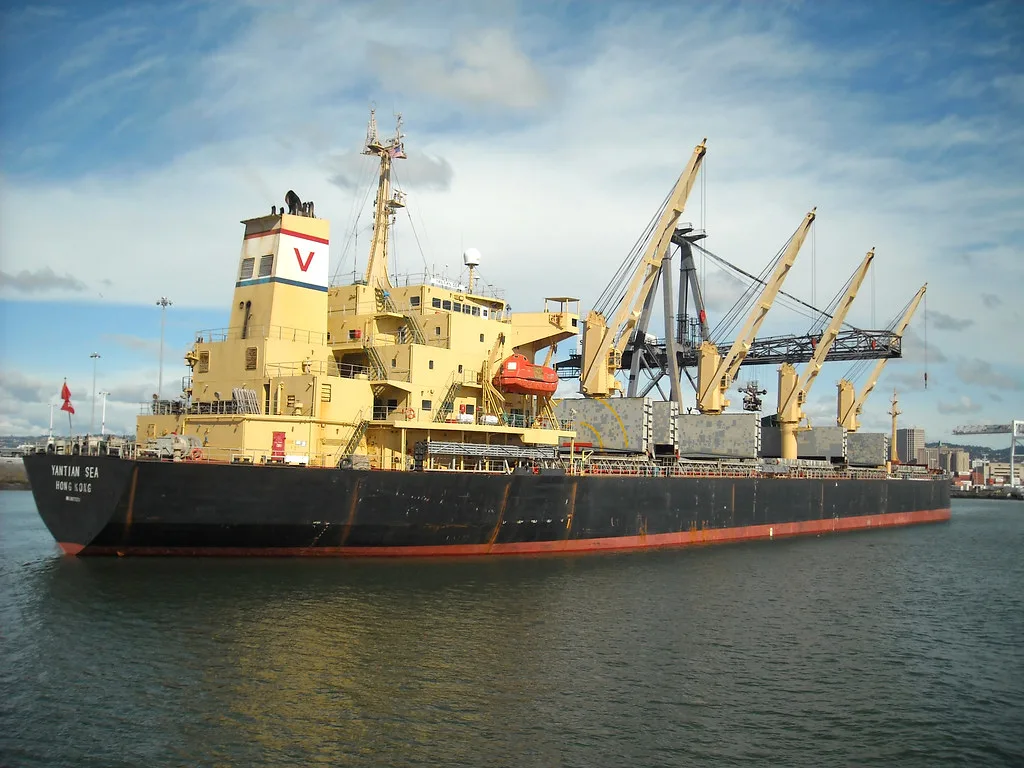
The Indian government has officially condemned a targeted attack on a commercial vessel off the coast of Oman this week, an incident that resulted in the rescue of 21 Indian crew members and the disappearance of three others. Indian maritime authorities are working in close coordination with international naval forces to locate the missing sailors, while New Delhi has issued a strong call for immediate de-escalation of tensions across West Asia.
Contextualizing Regional Maritime Risks
The Arabian Sea has become a volatile corridor for global trade, increasingly susceptible to geopolitical friction and piracy. Recent months have seen a surge in security incidents involving merchant ships, prompting insurance premiums for vessels traversing the region to spike significantly. This specific attack underscores the vulnerability of international shipping lanes that serve as the lifeline for global energy and commodity markets.
Details of the Maritime Incident
Initial reports indicate that the vessel was targeted by unidentified assailants in international waters. While the ship sustained significant structural damage during the assault, emergency response teams were able to stabilize the situation and evacuate the majority of the crew. Naval assets from multiple nations operating in the Combined Maritime Forces have been deployed to secure the area and conduct search and rescue operations for the three missing individuals.
Expert Perspectives on Security
Maritime security analysts suggest that this attack represents a shift in how regional actors are projecting influence. According to recent data from the International Maritime Bureau, there has been a 15% increase in maritime security incidents in the Indian Ocean region compared to the same period last year. Experts emphasize that the convergence of state-sponsored proxy conflicts and traditional piracy necessitates a more robust international security architecture.
Broader Implications for Global Trade
For the shipping industry, the incident serves as a stark reminder of the limitations of passive security measures. Companies are now reconsidering their logistical routes, which could result in longer transit times and higher costs for consumers worldwide. Furthermore, the Indian government’s insistence on de-escalation reflects a broader diplomatic strategy aimed at protecting its diaspora and maintaining the stability of vital energy supply chains flowing through the Strait of Hormuz.
Looking Ahead
Observers are now closely monitoring whether this incident will trigger an expansion of naval patrols or the implementation of stricter convoy systems in the Arabian Sea. The coming weeks will be critical as investigators attempt to attribute the attack to specific actors, a move that could significantly alter the diplomatic landscape between India and regional powers. Stakeholders are advised to watch for updates regarding the status of the missing crew and any potential new maritime security protocols issued by the International Maritime Organization.