









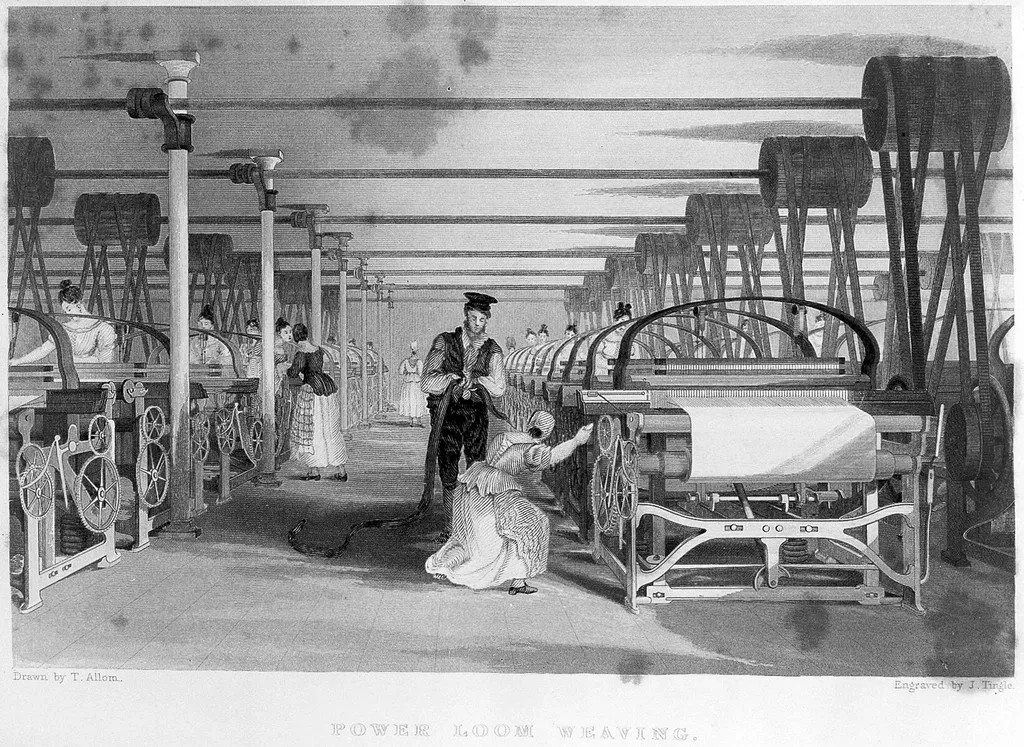
The Indian government has officially approved 22 new companies under the Production Linked Incentive (PLI) scheme for the textiles sector, signaling a strategic push to bolster domestic manufacturing capabilities. Announced this week in New Delhi, this expansion represents a combined committed investment of Rs 2,339 crore and is projected to generate over 36,000 new employment opportunities across the country.
Context of the PLI Initiative
The PLI scheme for textiles was launched as part of a broader government strategy to position India as a global manufacturing hub, focusing specifically on Man-Made Fiber (MMF) segments and technical textiles. By providing financial incentives based on incremental sales, the policy aims to bridge the gap between Indian production costs and global benchmarks.
Historically, India’s textile exports have been heavily skewed toward cotton-based products. The current policy pivot seeks to diversify this portfolio by encouraging manufacturers to invest in high-value, synthetic fabrics and specialized industrial textiles that are in high demand across international markets.
Strategic Growth and Investment Targets
The inclusion of these 22 new entities reflects a diversified approach to industrial growth, covering both large-scale manufacturers and emerging players in the supply chain. Industry analysts note that the influx of Rs 2,339 crore will primarily be directed toward upgrading machinery, adopting sustainable production technologies, and expanding export capacity.
According to data from the Ministry of Textiles, the scheme is designed to attract capital into segments where India previously faced stiff competition from regional rivals. By incentivizing value addition within the country, the government intends to reduce the reliance on imported components and strengthen the domestic vertical integration of the textile industry.
Expert Perspectives on Market Impact
Economic observers suggest that the employment generation aspect of this expansion is particularly significant. With 36,000 jobs expected, the move aligns with the government’s broader goal of absorbing the growing workforce into formal manufacturing sectors.
“The expansion of the PLI scheme is a calibrated effort to move up the value chain,” says a senior analyst at the Textile Manufacturers Association. “By focusing on MMF and technical textiles, the government is addressing the structural challenges that have prevented India from capturing a larger share of the global apparel trade.”
Implications for the Textile Industry
For existing market participants, this development signals a period of intensified competition and technological upgrading. Companies that successfully leverage these incentives will likely see improved margins and greater capacity to meet the stringent quality requirements of international buyers in the United States and the European Union.
The integration of these new companies into the PLI framework is expected to catalyze a ripple effect, encouraging secondary industries such as machinery manufacturing, logistics, and chemical processing to scale their own operations in anticipation of increased demand.
Looking Ahead
Industry stakeholders should monitor the quarterly performance reports of these 22 companies, as their success will likely determine the longevity and potential phase-two expansion of the PLI scheme. Future policy discussions are expected to focus on easing export bottlenecks and enhancing infrastructure, such as dedicated textile parks, to ensure that the increased manufacturing output can be efficiently transported to global markets.