






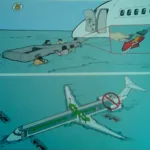



The International Air Transport Association (IATA), representing nearly 330 airlines, officially launched a global safety campaign this week aimed at changing passenger behavior during emergency aircraft evacuations. The initiative specifically urges travelers to prioritize speed and safety by leaving all cabin baggage behind, a measure that aviation safety experts argue is critical to preventing injuries and saving lives during critical incidents.
The Critical Link Between Baggage and Evacuation Speed
Aviation safety regulations require that all passengers and crew must be able to evacuate a commercial aircraft within 90 seconds. This stringent requirement is based on the assumption that cabin fires can become unsurvivable within minutes, making every second spent retrieving belongings potentially fatal.
Despite these warnings, recent high-profile incidents have shown that many passengers prioritize their personal items over emergency protocols. In several documented cases, passengers have been observed blocking aisles while attempting to retrieve bags from overhead bins, significantly slowing the flow of people toward emergency exits.
Understanding the Operational Hazards
The primary concern for airline safety professionals is the physical obstruction caused by carry-on luggage. When a passenger insists on bringing a bag, they not only delay their own exit but also create a tripping hazard for those behind them.
Furthermore, standard emergency slides are designed for rapid descent. Sharp edges on luggage—such as zippers, hard-shell corners, or protruding wheels—can puncture the inflatable slides. A damaged slide can render an exit unusable, forcing passengers to crowd toward remaining doors and creating bottlenecks that delay the entire evacuation process.
Expert Perspectives on Safety Protocols
According to data from various aviation safety boards, the instinct to protect personal property is a documented psychological phenomenon known as ‘loss aversion.’ However, safety analysts emphasize that this instinct is directly at odds with the mechanical realities of aircraft egress.
‘The airplane is a machine designed to be emptied in 90 seconds under optimal conditions,’ notes one aviation safety consultant. ‘When you add the variable of luggage, you are effectively introducing a physical barrier that degrades the safety design of the cabin.’
Implications for the Aviation Industry
This IATA campaign signals a shift toward more aggressive passenger education programs. Airlines are expected to incorporate these warnings into pre-flight safety videos and cabin crew briefings, emphasizing that the decision to grab a bag is not just a personal choice, but a risk to every other passenger on board.
The industry is also looking at the role of cabin design and baggage policies. While some suggest stricter limits on carry-on sizes, the consensus remains that human behavior modification is the most immediate lever for improving survival rates in emergency landings or cabin fires.
Looking ahead, industry observers will be watching to see if regulators move toward stricter enforcement of these safety messages during pre-flight briefings. Future safety training for flight attendants may also include new techniques for managing passengers who attempt to access bins during an emergency, as the industry continues to prioritize rapid egress over the preservation of personal property.