








Restoring a Vital Himalayan Link
The historic Kangra Valley Railway, a legendary narrow-gauge line in Himachal Pradesh, officially resumed operations this month after a four-year closure. The 164-kilometer route connecting Pathankot to Jogindernagar was restored following the completion of a major bridge reconstruction, finally reconnecting remote mountain communities and welcoming tourists back to one of India’s most scenic rail corridors.
This restoration comes after catastrophic monsoon floods in 2022 severely damaged the infrastructure, washing away tracks and critical bridge segments. The Indian Railways spent months on engineering efforts to stabilize the terrain, ensuring the safety of passengers traversing the rugged Himalayan foothills.
A Legacy of Mountain Engineering
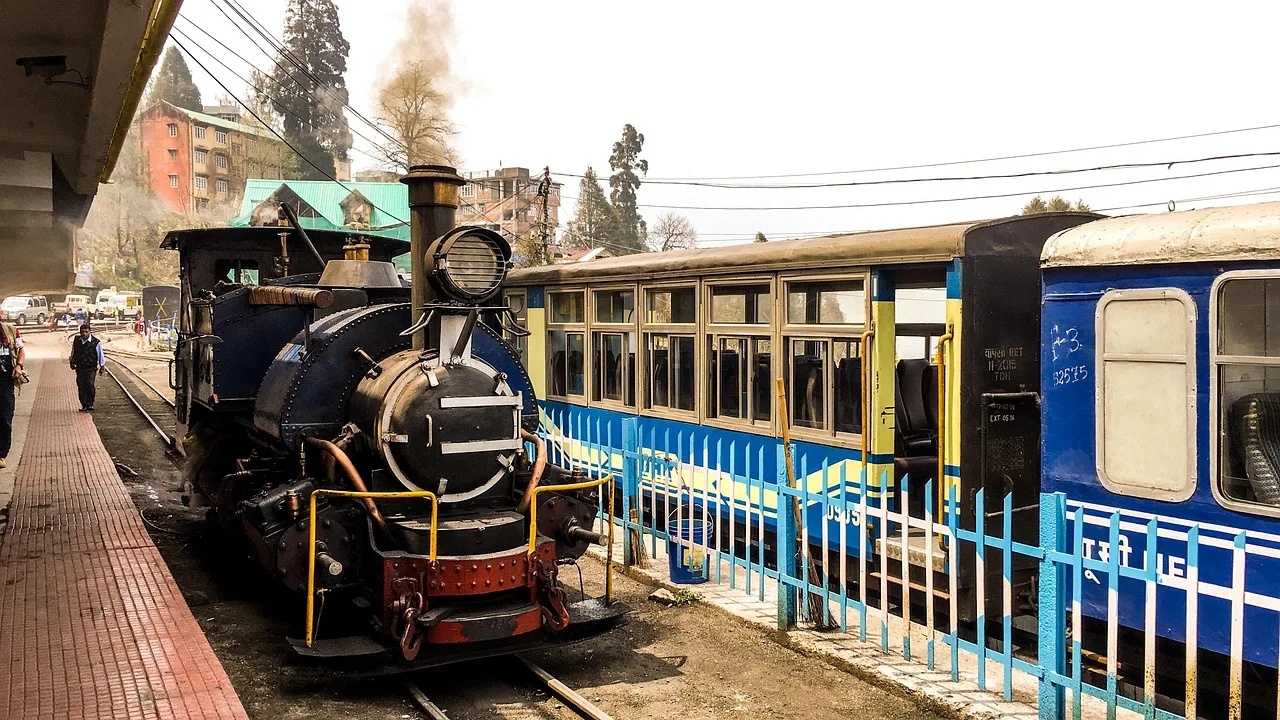
Commissioned in 1929, the Kangra Valley Railway is widely regarded as a masterpiece of colonial-era engineering. The line traverses over 100 bridges and winds through lush tea gardens, offering commuters and travelers a panoramic view of the Dhauladhar mountain range.
The route serves as a lifeline for locals who rely on the train for affordable daily transport between small villages and major towns. Before the closure, the railway was a critical component of the regional economy, facilitating the movement of agricultural produce and essential goods through difficult terrain where road travel is often hindered by landslides.
Operational Challenges and Tourism Impact
The journey takes approximately 10 hours to complete, moving at a leisurely pace that reflects the steep gradients and the sheer complexity of the mountainous track. While the slow speed is a deterrent for time-sensitive logistics, it is the primary draw for international and domestic tourists seeking a “slow travel” experience.
According to data from the Himachal Pradesh tourism department, the Kangra region saw a significant dip in visitor numbers during the rail service suspension. The resumption of the service is expected to provide a substantial boost to local hospitality businesses and homestays that rely heavily on the influx of rail-bound travelers.
Technical Resilience in a Changing Climate
The reconstruction process faced significant hurdles, as the region remains highly susceptible to extreme weather events. Engineers utilized reinforced materials and improved drainage systems to mitigate the impact of future seasonal downpours, which have become increasingly frequent in Northern India.
Transportation experts note that the rail line is currently being evaluated for potential heritage status upgrades. Such a classification could unlock additional federal funding to modernize the rolling stock while maintaining the historic aesthetic of the narrow-gauge engines.
The Road Ahead for Himalayan Rail
Looking forward, the focus shifts to the long-term sustainability of the Pathankot–Jogindernagar route. Officials are currently monitoring the stability of the new bridges during the upcoming monsoon season to ensure the line remains resilient against climate-related disruptions.
Industry observers suggest that the next phase of development will likely include the introduction of modern, eco-friendly coaches to attract a younger demographic of travelers. As global interest in rail tourism grows, the Kangra Toy Train is positioned to reclaim its status as a premier destination for those seeking a blend of historical significance and breathtaking natural landscapes.