








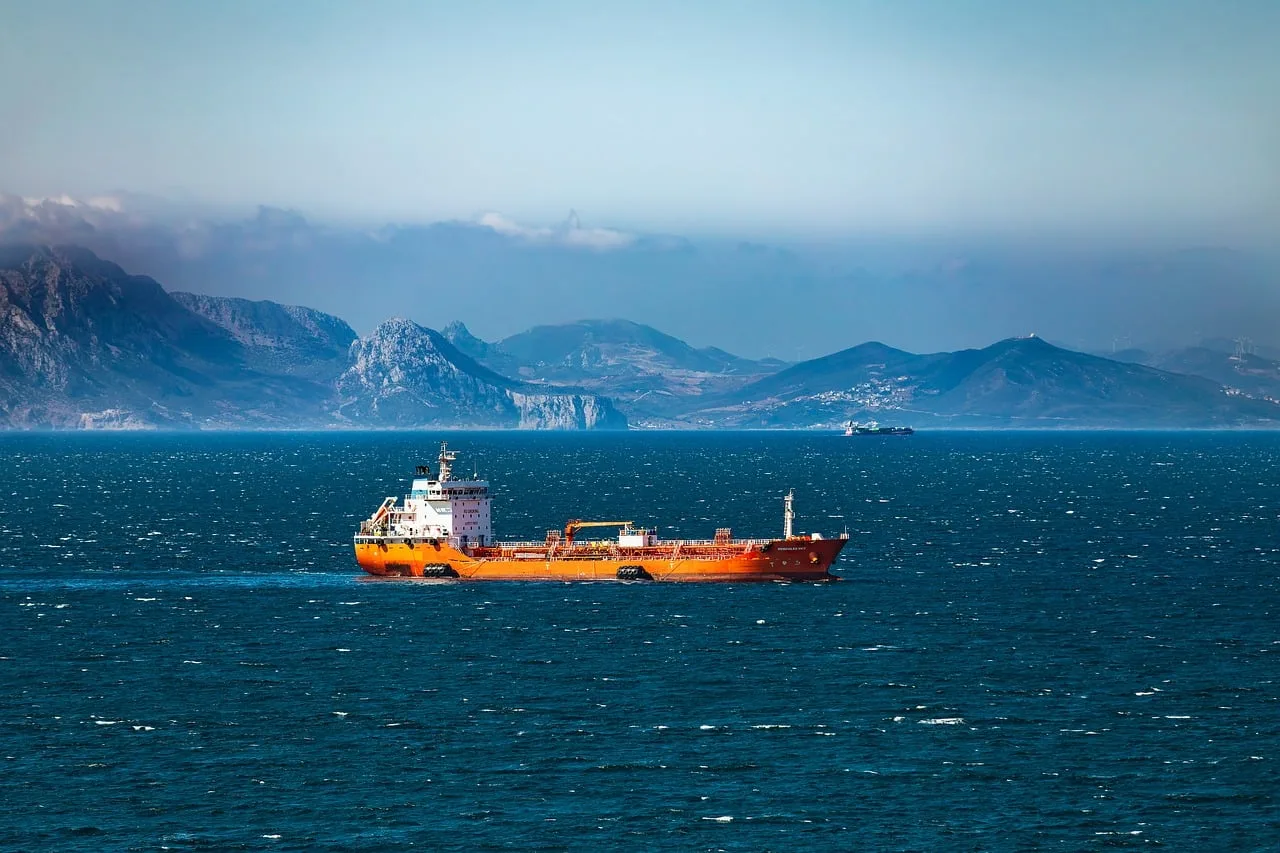
The Islamic Revolutionary Guard Corps (IRGC) announced on Tuesday that it has effectively closed the Strait of Hormuz to all maritime traffic, a direct retaliation following a series of targeted U.S. military strikes in the region. This closure of the world’s most critical oil chokepoint, located between Oman and Iran, threatens to disrupt nearly 20% of the global petroleum supply and has triggered immediate volatility across international energy markets.
The Strategic Significance of the Strait
The Strait of Hormuz serves as the primary maritime route for oil exports from Saudi Arabia, Iraq, the United Arab Emirates, and Kuwait. According to the U.S. Energy Information Administration (EIA), approximately 21 million barrels of oil pass through this narrow passage daily, accounting for nearly one-third of all globally traded seaborne crude.
Historically, the strait has been a focal point for geopolitical friction. While international law guarantees the right of transit passage, Iran has long utilized its proximity to the waterway as a strategic lever during periods of heightened tension with Western powers.
Escalating Military Tensions in the Gulf
The decision to block the strait follows a week of intensified military exchanges between U.S. forces and Iranian-backed entities. The U.S. strikes were reportedly aimed at degrading regional proxy capabilities, but the IRGC’s declaration marks a significant escalation in the scope of the conflict.
Military analysts note that the IRGC’s warning explicitly targets any vessel attempting to navigate the passage, effectively turning the maritime corridor into a combat zone. Shipping insurance premiums for tankers operating in the Persian Gulf have already surged by over 300% as underwriters scramble to assess the risk of potential seizures or attacks.
Economic Implications and Market Volatility
Oil prices spiked by nearly 10% within hours of the announcement, reflecting market anxiety over a prolonged supply shock. Analysts at Goldman Sachs have warned that if the closure remains in place for more than a few days, Brent crude could see prices exceeding $120 per barrel.
Global supply chains are already preparing for the fallout. Major shipping conglomerates are currently rerouting vessels around the Cape of Good Hope, a detour that adds thousands of miles and weeks to transit times, further straining an already fragile global logistics network.
What to Watch Next
The coming 48 hours will be critical as the international community attempts to engage in back-channel diplomacy to prevent a wider regional war. Observers are closely monitoring whether the U.S. Navy will attempt a freedom-of-navigation operation to challenge the closure, an action that could lead to direct naval skirmishes.
Beyond immediate military maneuvers, the focus remains on the resilience of strategic petroleum reserves held by major importing nations. If the closure persists, the activation of these reserves will likely become the primary tool to stabilize global energy prices and prevent a cascading economic crisis.