





Safety Concerns Trigger Massive Recall
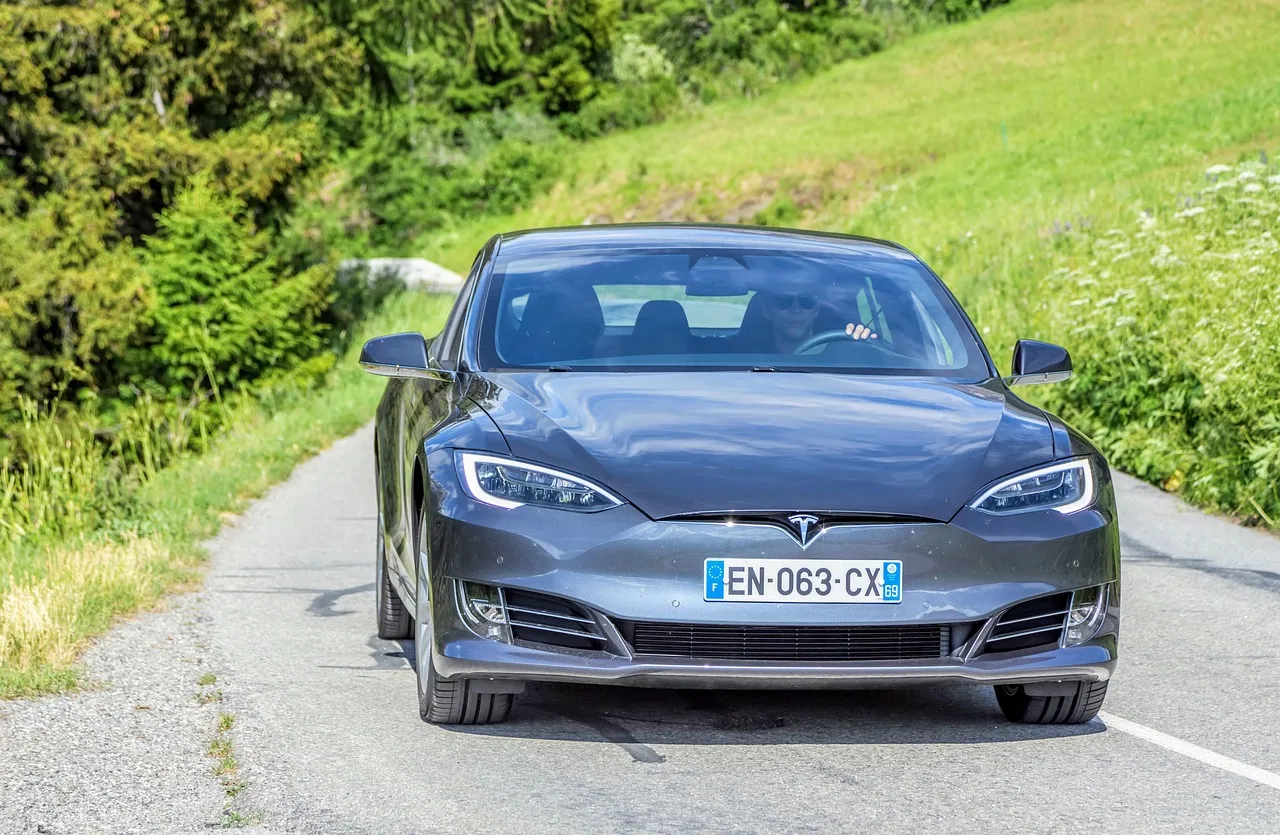
Ford Motor Company has issued a wide-reaching recall for approximately 420,000 Ford Expedition and Lincoln Navigator SUVs across the United States due to a critical defect in the front seat belt retractor pretensioners. The recall, impacting model years 2018 through 2022, addresses a malfunction where the seat belt locking mechanism may deploy inadvertently, preventing the belt from extending or retracting properly and potentially causing injury to occupants.
Context of the Mechanical Failure
The National Highway Traffic Safety Administration (NHTSA) indicates that the defect originates from the degradation of propellant used within the seat belt retractor pretensioner. Over time, exposure to high-heat environments causes the oxidation of internal components, which can trigger an unprompted deployment of the system. This failure effectively traps the occupant in a locked position or, in some instances, causes rapid retraction that poses a direct injury risk during a collision.
Investigation and Discovery
Ford initiated an internal investigation in early 2026 following a series of reports regarding seat belt anomalies. This inquiry followed two previous, smaller-scale recalls involving similar pretensioner technology. Data provided by the automaker confirms that they are aware of at least one injury globally linked to this specific malfunction. The company’s diagnostic tests determined that the issue is localized to specific production date ranges where legacy propellant and stabilizers were utilized in the manufacturing process.
Identifying the Problem
Drivers may be alerted to the impending failure through an airbag malfunction light on the vehicle’s instrument cluster. This warning indicator should serve as a primary signal for owners to seek professional inspection. Ford has confirmed that the affected population includes 342,283 Expedition models and 77,684 Lincoln Navigator units. The company is prioritizing the replacement of retractors that fall within the suspect production batches to mitigate further risk.
Remediation and Dealer Response
Ford plans to manage the recall through a two-phase notification process. Interim owner notification letters are scheduled for distribution between June 8 and June 12, aimed at informing the public of the safety risk. A second, formal notification regarding the availability of the remedy will follow, with mailings scheduled between August 31 and September 4. Owners are instructed to bring their vehicles to authorized Ford or Lincoln dealerships for a comprehensive inspection and, if necessary, a full replacement of the front seat belt retractor assemblies at no cost.
Industry Implications and Future Oversight
This recall underscores the ongoing challenges automakers face regarding the long-term stability of chemical propellants used in safety equipment. As vehicles age, the durability of these components becomes a focal point for regulatory bodies like the NHTSA, which continues to heighten its scrutiny of safety-critical systems. For consumers, this situation highlights the importance of monitoring dashboard warning lights and responding promptly to official manufacturer communications. Looking ahead, industry analysts expect increased pressure on suppliers to improve the shelf-life and thermal stability of safety components, as the prevalence of high-heat environments continues to test the limits of existing automotive materials.