



Strategic Investment in Domestic Coal
Former President Donald Trump announced plans this week to spearhead a $700 million investment initiative aimed at revitalizing coal infrastructure across the United States. The funding package is slated to support both the modernization of existing coal-fired power plants and the development of a new, large-scale export terminal in California, marking a significant push to re-energize the domestic fossil fuel sector.
Contextualizing the Shift
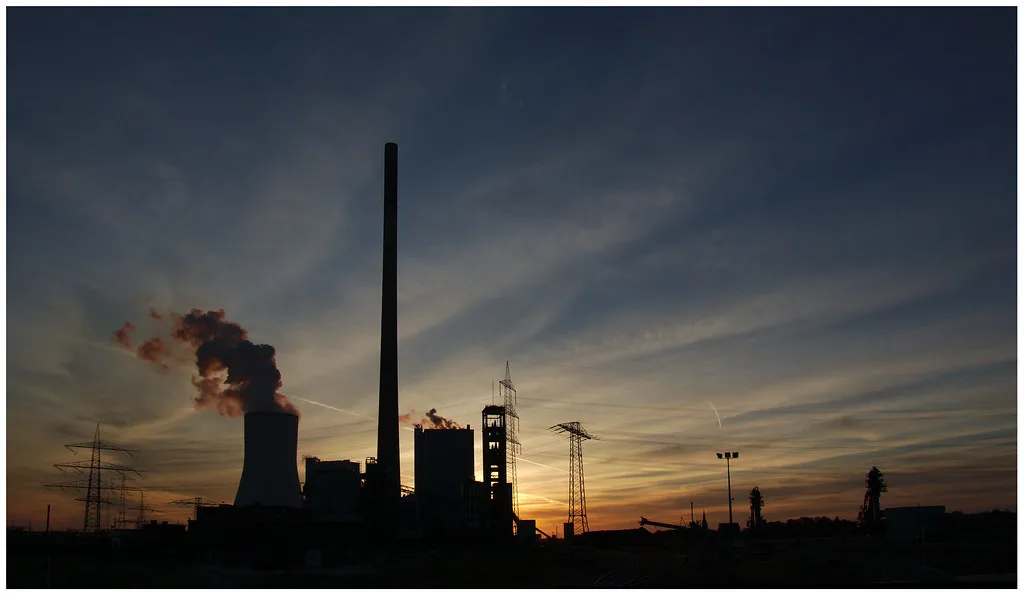
For the past decade, the American coal industry has faced a steady decline driven by the rising affordability of natural gas and the rapid expansion of renewable energy sources. Federal data from the U.S. Energy Information Administration (EIA) indicates that domestic coal consumption has dropped by more than 50% since 2010, leading to the closure of hundreds of coal-fired units. This new investment seeks to counter that trend by focusing on logistical efficiency and potential international market access.
Project Scope and Logistics
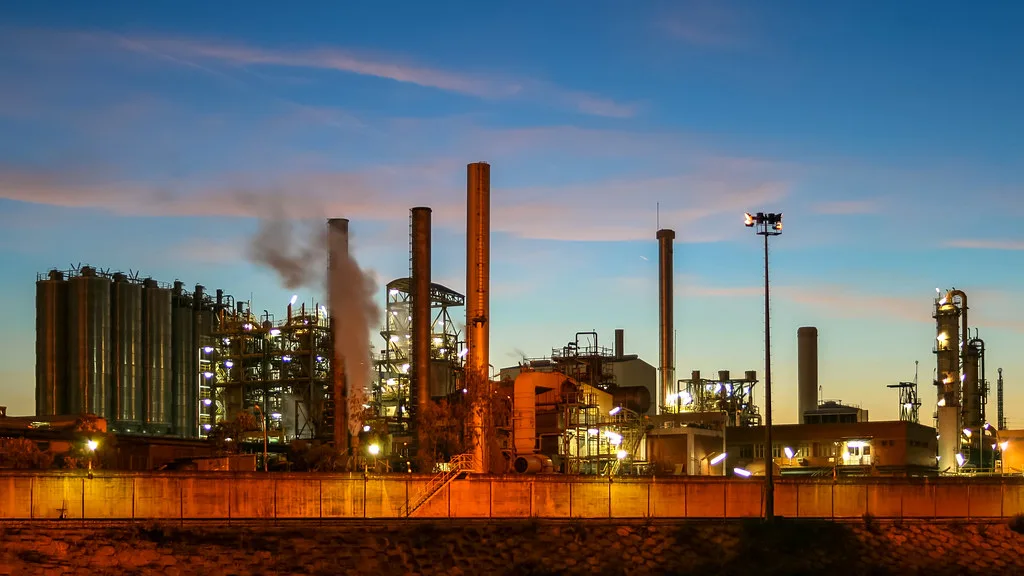
The proposed $700 million capital injection targets two primary areas: operational efficiency for legacy plants and infrastructure for international trade. By upgrading existing facilities, the initiative aims to reduce emissions through cleaner combustion technology while extending the lifespan of these power-generating assets. The inclusion of a California-based export terminal suggests a strategic pivot toward serving Pacific Rim markets, where demand for coal remains more robust than in the domestic U.S. market.
Expert Analysis and Industry Outlook
Energy analysts remain divided on the long-term feasibility of the plan, given the global push toward decarbonization. While proponents argue that coal remains a necessary baseload power source for grid stability, environmental economists point to the high costs of carbon-capture retrofitting and the volatility of global commodity prices. Data from the International Energy Agency (IEA) highlights that while global coal demand hit record highs in 2023, growth is expected to plateau as nations transition toward wind, solar, and nuclear alternatives.
Economic and Environmental Implications
The construction of an export terminal in California faces significant regulatory and environmental hurdles, including potential litigation from environmental advocacy groups and strict state-level climate mandates. Industry leaders suggest that if successful, the project could create thousands of construction and logistics jobs, providing a localized economic stimulus in regions heavily dependent on traditional energy industries. Conversely, critics emphasize that the carbon footprint associated with increased coal exports could undermine national climate commitments and exacerbate regional air quality concerns.
Future Market Developments
Looking ahead, market observers are focusing on the permitting process for the proposed California terminal, which will serve as a bellwether for the project’s viability. The success of this investment will likely depend on the balance between political support for fossil fuel exports and the intensifying pressure for corporate ESG (Environmental, Social, and Governance) compliance. Investors and stakeholders should monitor upcoming federal infrastructure reviews and state-level regulatory hearings, as these will dictate the speed and scale at which the $700 million is deployed in the coming fiscal year.