


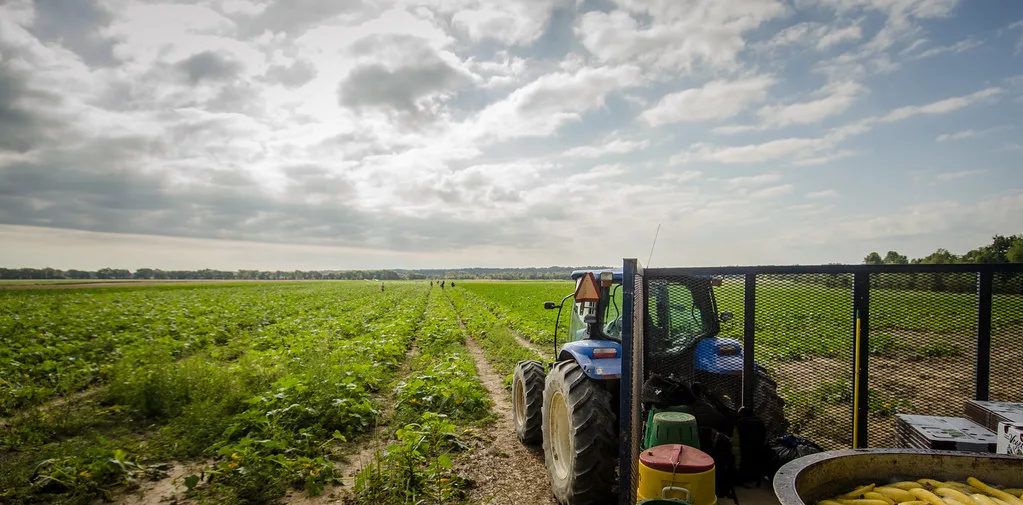
American agricultural producers are increasingly dependent on the H-2A visa program to secure seasonal labor, as the Trump administration continues to oversee a record-breaking expansion of guest worker admissions across the United States. While the program serves as a critical lifeline for farms struggling with chronic labor shortages, federal agencies face mounting pressure to address systemic issues regarding worker exploitation and regulatory oversight.
Understanding the H-2A Framework
The H-2A visa program allows U.S. employers to bring foreign nationals to the country to fill temporary or seasonal agricultural jobs. To qualify, employers must demonstrate that there are not enough U.S. workers who are able, willing, and qualified to perform the work.
Historically, the program has served as a niche resource for specific sectors, such as tobacco or fruit harvesting. However, as domestic labor pools have shrunk, the program has transformed into a cornerstone of the American food supply chain.
The Scale of Expansion
Data from the U.S. Department of Labor indicates that the number of certified H-2A positions has climbed steadily over the last decade, reaching hundreds of thousands of workers annually. This surge reflects a broader shift in the agricultural economy, where mechanization remains costly and domestic interest in grueling field labor has declined.
Proponents argue that the expansion is essential to prevent crop rot and maintain food price stability for consumers. Industry groups maintain that without this reliable source of labor, many mid-sized family farms would be forced to cease operations.
Challenges in Oversight and Ethics
Despite the economic necessity, the program remains a focal point for labor rights advocates who highlight persistent vulnerabilities. Investigations by various oversight bodies have documented instances of wage theft, inadequate housing, and the retaliatory firing of workers who report unsafe conditions.
The administrative burden of monitoring these farms is significant, as the Department of Labor must track thousands of employers across diverse geographic regions. Critics argue that the current enforcement mechanism lacks the teeth to deter bad actors effectively, leaving migrant workers in a precarious position.
Economic and Industry Implications
The reliance on H-2A labor signals a fundamental shift in how American agriculture operates in the 21st century. As labor costs rise and the regulatory environment becomes more complex, smaller farms may struggle to keep pace with the administrative requirements of the visa program compared to large-scale industrial operations.
For the consumer, the program’s efficiency directly impacts the cost of produce at the grocery store. Any disruption in the H-2A pipeline could lead to supply chain volatility, particularly for labor-intensive crops like berries and leafy greens.
Future Outlook and Regulatory Trends
Looking ahead, stakeholders expect further debate over the modernization of the visa process. Policymakers are currently weighing proposals to streamline the application process while simultaneously increasing funding for labor inspectors to ensure compliance with federal standards.
Industry observers should watch for potential legislative changes that could link visa quotas to regional labor market data more precisely. The balance between maintaining a functional agricultural workforce and upholding rigorous labor standards will remain a defining tension in U.S. immigration and trade policy for the foreseeable future.