




Market Volatility Surges Amid Geopolitical Unrest
The Dow Jones Industrial Average plummeted more than 600 points on Wednesday as escalating military clashes in the Middle East rattled global investors, prompting a sharp shift toward safe-haven assets. Wall Street reacted to fears of a regional conflict expansion, with major indices closing deep in the red as uncertainty regarding energy supplies and interest rates dominated trading floors in New York.
The Context of Market Instability
The sell-off comes during a period of already heightened sensitivity regarding inflationary pressures and central bank policy. Investors have been closely monitoring the Federal Reserve’s stance on interest rates, hoping for stability, but geopolitical shocks frequently disrupt these projections by forcing capital into defensive positions. Historically, conflicts in oil-producing regions lead to immediate market corrections as traders price in the potential for supply chain bottlenecks.
Energy Prices and Treasury Yields Climb
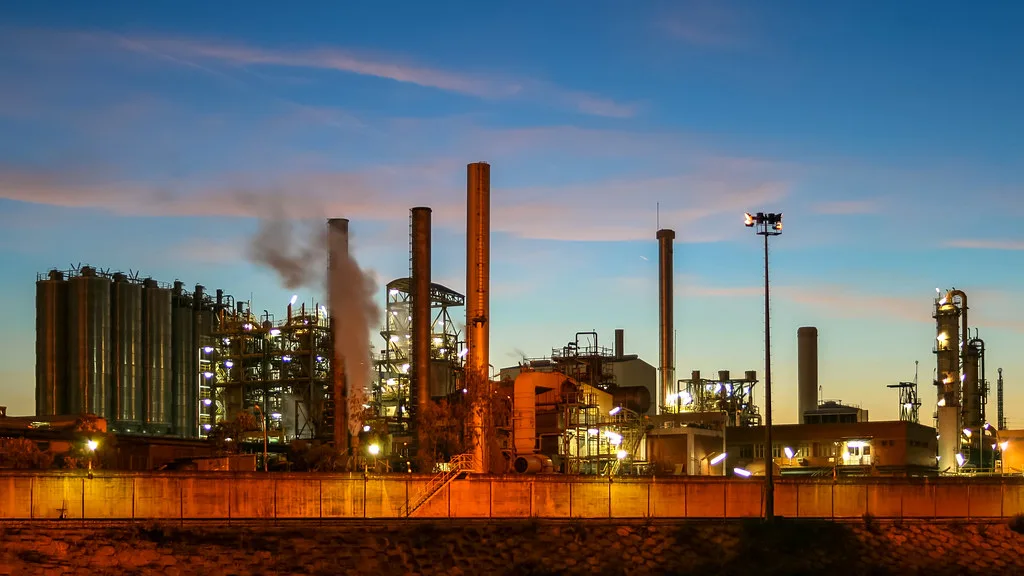
As equity markets retreated, oil prices experienced a notable spike, reflecting market concerns over potential disruptions to crude oil transit routes. Brent crude and West Texas Intermediate (WTI) both saw gains, as traders factored in the possibility of a restricted global supply environment. Concurrently, investors flocked to U.S. Treasury bonds, a move that typically exerts downward pressure on yields; however, the ongoing fiscal uncertainty caused a complex reaction, with some Treasury yields showing resilience despite the flight to safety.
Expert Analysis on Investor Sentiment
Market analysts note that the rapid decline in the Dow reflects a broader ‘risk-off’ sentiment. According to recent financial data from major brokerage houses, trading volume spiked as institutional investors engaged in aggressive hedging strategies to mitigate exposure to volatile sectors. ‘The primary driver here is the unknown duration and scale of the conflict,’ noted one senior market strategist, emphasizing that uncertainty is the primary enemy of equity growth.
Broader Implications for the Global Economy
For the average reader, this volatility underscores the interconnected nature of global politics and personal investment portfolios. Higher energy costs, if sustained, threaten to keep consumer prices elevated, potentially complicating the Federal Reserve’s efforts to manage inflation. Industries heavily reliant on logistics and fuel, such as aviation and manufacturing, face immediate pressure to adjust their cost structures to accommodate rising commodity prices.
Future Outlook and What to Watch
Looking ahead, market participants are keeping a close watch on diplomatic channels and any further developments in the region that could affect oil transit. Should the conflict escalate, analysts warn that equity markets may experience sustained periods of high volatility, with a continued rotation into government bonds and precious metals. Investors are advised to monitor the upcoming quarterly earnings reports, which will provide a clearer picture of how individual corporations are managing these rising operational costs amidst the shifting geopolitical landscape.