




SpaceX, the aerospace pioneer led by Elon Musk, announced today that it has set its initial public offering (IPO) share price at $135, positioning the company to potentially eclipse the historic 2019 debut of Saudi Aramco. This move, which comes amid a surge in investor interest for private space exploration, marks the largest IPO in financial history, both in terms of total capital raised and the firm’s overall market valuation.
The Context of a Space-Age Offering
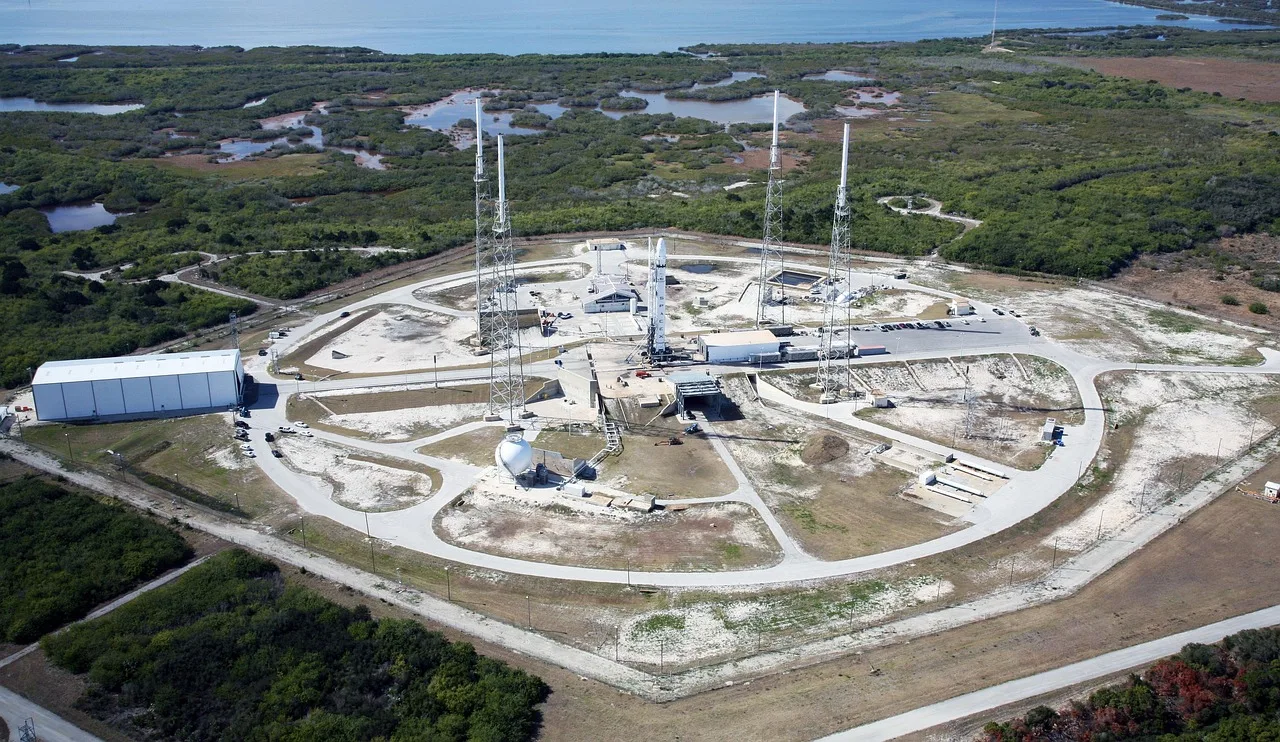
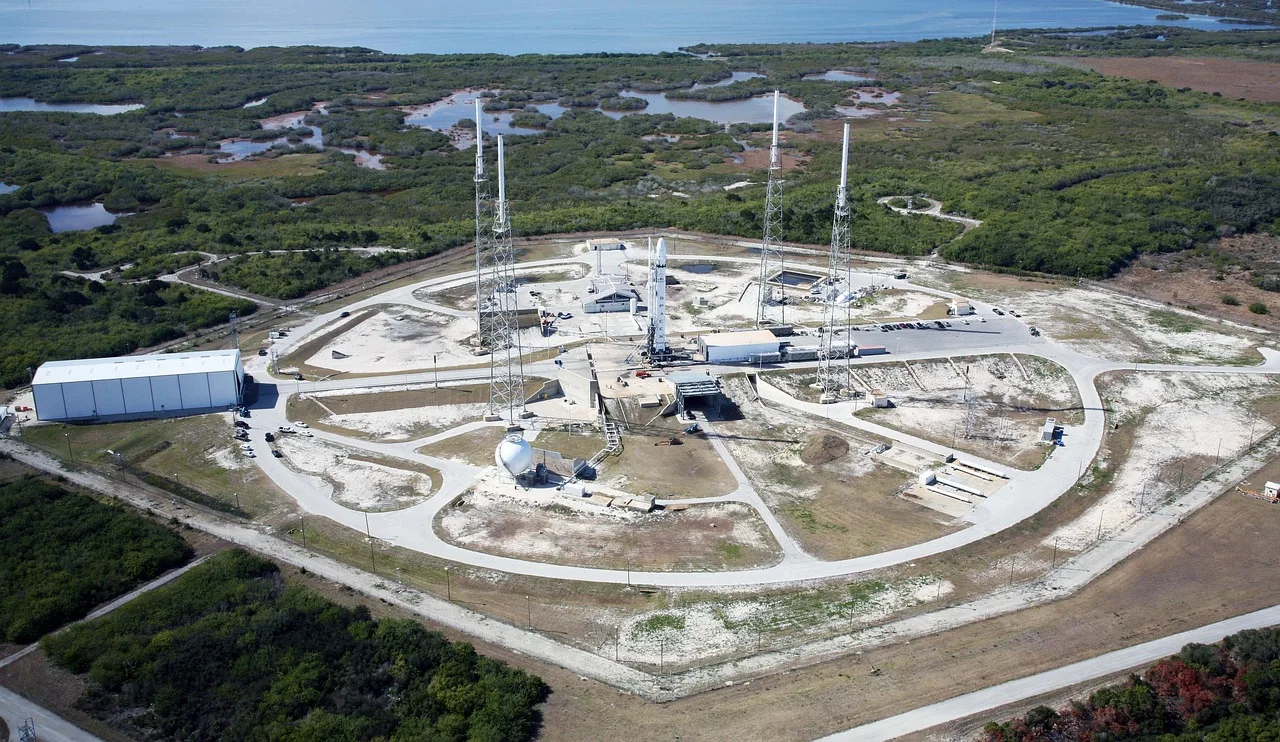
For over two decades, SpaceX has operated as a private entity, fundamentally shifting the economics of space travel through its reusable Falcon 9 rocket technology. Since its inception, the company has secured lucrative contracts with NASA and the Department of Defense, while simultaneously building the Starlink satellite constellation to provide global internet coverage.
The decision to go public follows years of speculation regarding how Musk would finance the increasingly expensive development of the Starship launch vehicle. By opening shares to the public, the company aims to secure the massive liquidity required to scale production for deep-space exploration and lunar missions.
Market Impact and Valuation Metrics
The $135 price point values the company at an unprecedented level, reflecting investor confidence in the commercialization of low-Earth orbit. Financial analysts note that the valuation is heavily bolstered by the recurring revenue potential of Starlink, which has already begun to disrupt traditional telecommunications sectors.
According to data from the Securities and Exchange Commission, the sheer volume of shares being offered suggests that institutional investors have been clamoring for entry into the aerospace sector. This offering is expected to dwarf the $25.6 billion raised by Saudi Aramco, signaling a shift in market sentiment toward high-growth, technology-driven industrial firms.
Expert Perspectives on Aerospace Finance
“The market has clearly signaled that it views SpaceX not just as a launch provider, but as a critical infrastructure player for the 21st-century economy,” says Dr. Elena Vance, a senior analyst at Global Aerospace Ventures. “The $135 price is aggressive, but it aligns with the company’s long-term capture of the satellite launch market and its dominance in orbital logistics.”
Conversely, some market observers remain cautious, citing the inherent risks associated with space flight and the regulatory hurdles that accompany large-scale satellite deployments. Despite these concerns, the pre-market demand remains exceptionally high, with retail investors eager to gain exposure to Musk’s broader technological ecosystem.
Industry Implications and Future Outlook
This IPO sets a new benchmark for space-related companies, effectively forcing competitors and venture capital firms to reassess their own valuations. As SpaceX transitions into a public company, the focus will shift toward quarterly earnings reports and the transparency requirements mandated by federal regulators.
Market watchers are now turning their attention to the long-term impact on the aerospace supply chain, as SpaceX’s public capital could accelerate the vertical integration of their manufacturing processes. Investors should monitor how the company balances its ambitious R&D spending on Starship with the necessity of delivering consistent returns to shareholders over the next several fiscal cycles.