



Economic Outlook Diminishes
The Organisation for Economic Co-operation and Development (OECD) downgraded its global growth forecasts this week, citing significant geopolitical risks centered on the ongoing conflict between the United States and Iran. As regional tensions disrupt critical maritime trade routes and energy infrastructure, the Paris-based organization warned that a prolonged escalation could trigger a worldwide economic contraction by 2026.
The Context of Global Instability
The global economy has struggled with the lingering effects of post-pandemic inflation and high interest rates over the last two years. While many nations initially showed resilience, the recent shift in the West Asian security landscape has introduced new volatility into supply chains. The OECD noted that energy markets remain particularly sensitive to regional hostilities, as significant portions of the world’s oil supply transit through vulnerable maritime chokepoints.
The Cost of Protracted Conflict
The OECD’s latest projections paint a stark picture for the international community should the current hostilities persist. Under a severe scenario where shipping disruptions and damage to energy infrastructure continue through 2027, global growth could plummet to 2.1% in 2026 and further decelerate to 1.8% in 2027. This represents a significant deviation from earlier, more optimistic estimates that anticipated a steady recovery.
Expert Perspectives on Market Volatility
Financial analysts point to the correlation between energy prices and broader inflation as the primary mechanism for this potential recession. According to data released alongside the report, a sustained 20% increase in oil prices could shave nearly a full percentage point off global GDP growth within twelve months. Market observers indicate that central banks face a difficult balancing act, as they must choose between managing inflation and preventing a hard landing in their respective economies.
Implications for Global Trade
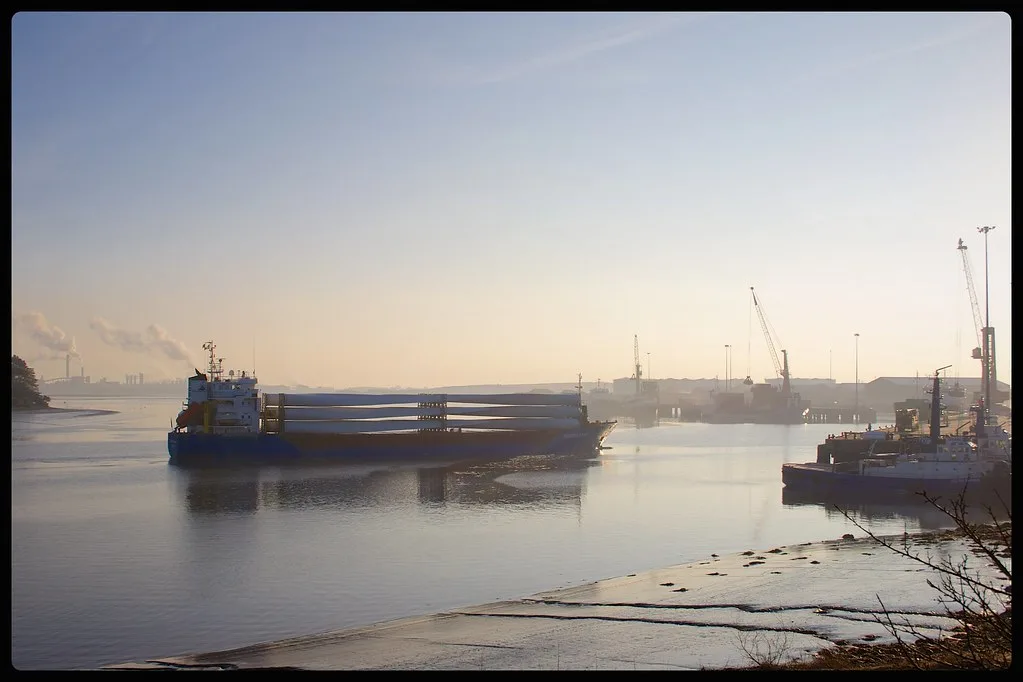
For industries ranging from manufacturing to retail, the threat of prolonged conflict means higher logistics costs and increased uncertainty in inventory management. Shipping firms have already begun rerouting vessels to avoid volatile waters, leading to longer transit times and higher insurance premiums. These additional costs are inevitably passed down to consumers, keeping inflationary pressures high despite efforts by policymakers to stabilize the environment.
Future Outlook and Risks
Looking ahead, the primary concern for economists is the potential for a feedback loop where rising energy costs dampen consumer demand, further slowing economic output. Stakeholders should monitor upcoming diplomatic negotiations and any shifts in naval security protocols within the Persian Gulf as key indicators of economic direction. If the conflict remains localized, the global economy may avoid the worst-case projections, but the window for a soft landing is narrowing as regional tensions show little sign of immediate de-escalation.