


Rising Tensions and Economic Volatility
Escalating geopolitical instability in West Asia is triggering a significant energy shock, threatening to destabilize global supply chains and exert severe pressure on the unorganized economic sector. As conflict disrupts key oil-producing regions, market analysts warn that rising crude prices will ripple through global economies, disproportionately affecting vulnerable populations and small-scale industries that lack the financial buffer to absorb surging operational costs.
The Context of Energy Dependency
The global economy remains heavily reliant on West Asian oil and gas, with critical shipping lanes like the Strait of Hormuz acting as vital conduits for daily energy transit. Any disruption in this region creates immediate volatility in commodity markets, as traders react to the threat of supply shortages and rising maritime insurance premiums. Historically, such shocks have led to inflationary spikes, forcing central banks to maintain higher interest rates to combat rising costs.
The Vulnerability of the Unorganized Sector
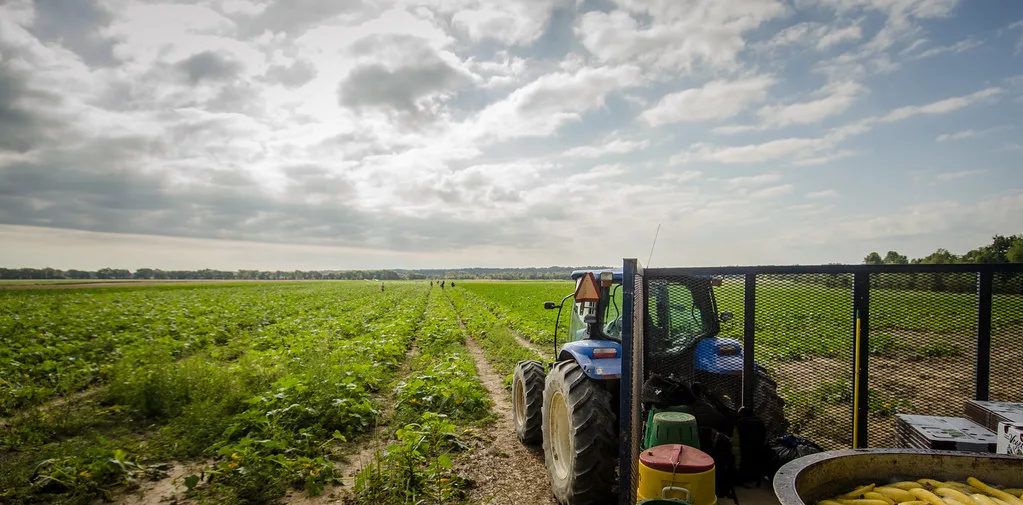
The unorganized sector, which accounts for a vast majority of employment in emerging markets, faces the most acute risks from this energy-driven inflation. Unlike large corporations that may utilize hedging strategies, small businesses and independent laborers operate on razor-thin margins. As fuel prices rise, the cost of transportation, logistics, and raw materials increases, leaving these entities with little choice but to pass costs to consumers or face insolvency.
Expert Perspectives and Economic Data
Economic experts point to the direct correlation between crude oil prices and the Consumer Price Index (CPI), noting that energy costs act as a multiplier for inflation across all sectors. Data from the International Energy Agency (IEA) suggests that sustained price hikes above $90 per barrel could dampen global GDP growth by up to 0.5% within the first year of the disruption. Analysts emphasize that the current crisis is exacerbated by existing supply chain fractures, making the global economy less resilient to sudden shocks compared to previous decades.
Policy Interventions and Mitigation
Governments are now under pressure to implement targeted fiscal measures to protect the most vulnerable segments of society. Policy experts suggest that temporary subsidies or fuel tax adjustments could offer immediate relief, provided these measures are balanced against fiscal deficit constraints. Prioritizing fuel allocation for essential services, such as agriculture and public transportation, remains a critical strategy to ensure that the backbone of the economy continues to function despite global price volatility.
Future Implications for Global Markets
Looking ahead, the primary concern for policymakers is whether the West Asia crisis will trigger a prolonged period of stagflation. Market observers are closely monitoring the production quotas of major oil-exporting nations and the emergence of alternative energy corridors. The long-term trajectory will depend on whether global powers can stabilize the region or if the volatility forces a permanent, accelerated shift toward domestic energy independence and renewable infrastructure to hedge against future geopolitical risks.