




India has rapidly transitioned from its traditional role as a global service provider to a central pillar of international supply chains, marking a significant shift in the world’s economic landscape throughout 2024. As global corporations look to diversify operations away from China, India has leveraged strategic policy initiatives and a massive labor force to capture a larger share of high-tech manufacturing and logistics output.
The Evolution of India’s Economic Identity
For decades, India was primarily recognized as the world’s ‘back office,’ hosting IT services and business process outsourcing for Western corporations. This service-led growth model provided a stable foundation but left the nation’s manufacturing sector underdeveloped relative to its massive population.
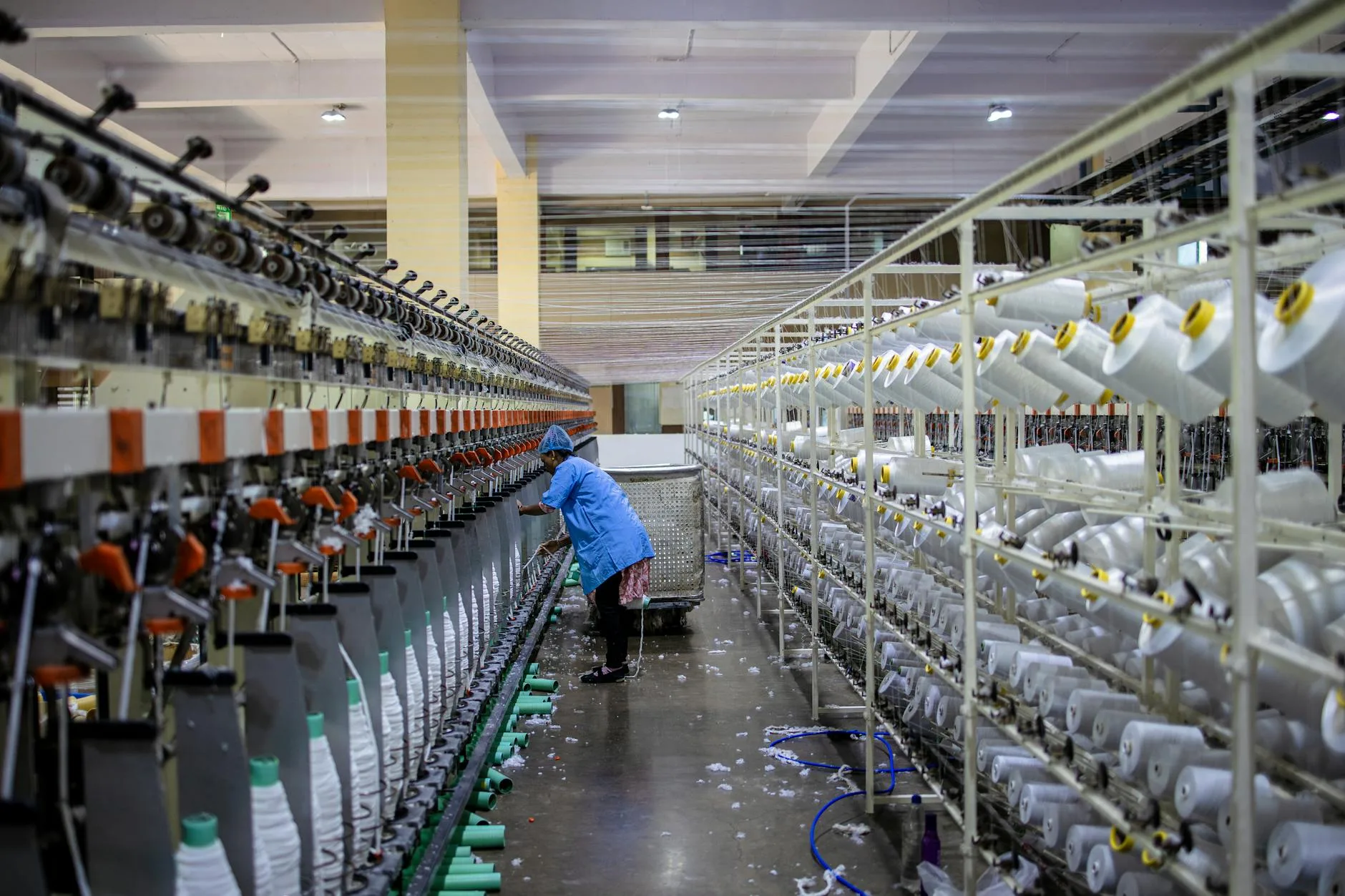
Recent government initiatives, specifically the ‘Make in India’ campaign and the introduction of Production Linked Incentive (PLI) schemes, have fundamentally altered this trajectory. By offering financial incentives to companies that manufacture goods within its borders, New Delhi has successfully attracted major multinational players in electronics, semiconductors, and automobile manufacturing.
Supply Chain Diversification and Global Strategic Shifts
The global ‘China Plus One’ strategy has acted as a primary catalyst for India’s industrial expansion. As geopolitical tensions and post-pandemic supply chain vulnerabilities force companies to seek alternatives, India has positioned itself as a reliable, large-scale manufacturing hub.
The scale of this shift is evident in the smartphone industry. According to data from the India Cellular and Electronics Association, the nation has seen a dramatic increase in mobile phone exports, with major tech giants now producing a significant percentage of their global flagship devices in specialized industrial corridors near Chennai and Bengaluru.
Expert Perspectives on Industrial Growth
Economists point to the development of robust infrastructure as the critical bridge between potential and performance. Investment in logistics, including the expansion of dedicated freight corridors and modernized port facilities, has reduced the cost of doing business across the subcontinent.
Dr. Anjali Rao, a senior trade analyst, notes that the focus has shifted from low-value assembly to sophisticated integrated manufacturing. ‘The transition is not just about volume; it is about the integration of India into the high-end global value chain, moving from simple assembly to complex semiconductor packaging and precision engineering,’ Rao stated.
Data from the Ministry of Commerce and Industry indicates that manufacturing exports have reached record highs, consistently outperforming historical averages. This growth is supported by a demographic dividend—a young, tech-savvy workforce that offers a competitive advantage in both cost and capability.
The Road Ahead for the Indian Economy
The implications for the global market are profound, as India’s emergence introduces a new pole of industrial stability. For multinational corporations, this means a recalibration of procurement strategies and a broader geographic distribution of operational risk.
Industry observers are now closely monitoring the next phase of India’s development: the integration of artificial intelligence into industrial manufacturing. The coming years will reveal whether India can sustain this momentum by scaling its power infrastructure and streamlining bureaucratic processes to meet the demands of high-speed, high-tech industrial output. Observers should keep a close watch on upcoming trade agreements and the progress of the India-Middle East-Europe Economic Corridor, which aims to further cement the nation’s role as a vital link in global commerce.