



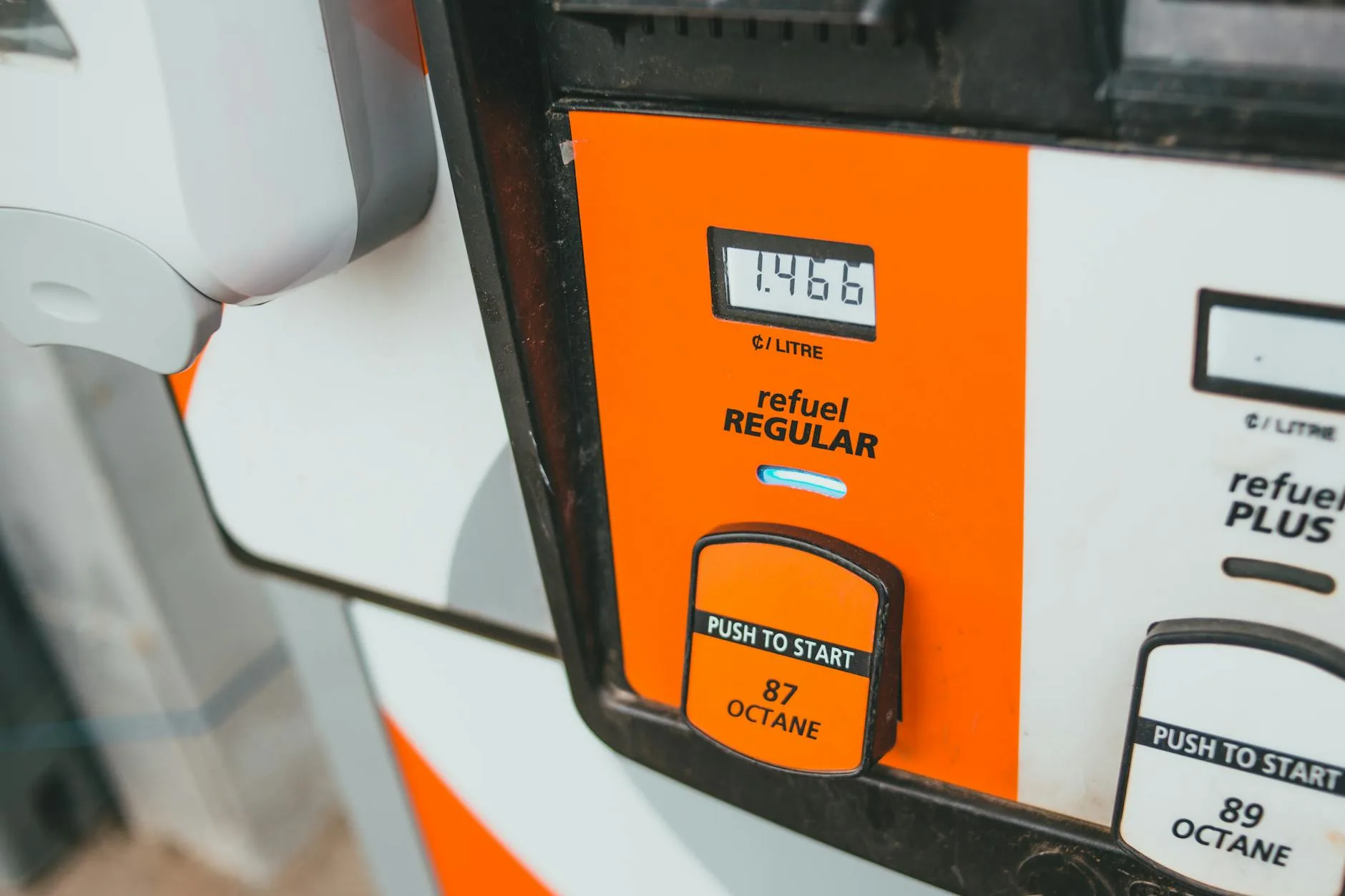
In a significant shift for the Indian economy, the central government increased petrol and diesel prices by Rs 3 per litre across the nation on May 17, marking the first major upward revision in over four years. This sudden adjustment has pushed petrol rates to Rs 97.77 per litre in Delhi, while diesel prices in the capital have climbed to Rs 90.67 per litre, reflecting the immediate pressure of global energy market instability on domestic retail consumers.
The Context of Global Energy Volatility
The price hike follows a period of sustained pressure on international crude oil markets, driven primarily by escalating geopolitical tensions in West Asia. Disruptions in the Strait of Hormuz, a critical maritime chokepoint for global oil transit, have intensified supply chain concerns. These logistical bottlenecks, combined with ongoing tensions involving the United States, Israel, and Iran, have kept global Brent crude prices under significant upward pressure since February.
Detailed Market Impact
The impact of this revision is visible across all major metropolitan hubs, where fuel costs have reached new highs. In Mumbai, petrol is now retailing at Rs 106.68 per litre, while Kolkata and Chennai have seen prices reach Rs 108.70 and Rs 103.67 per litre, respectively. Diesel prices have followed a similar trajectory, with Bengaluru recording rates at Rs 94.10 per litre, and nearby NCR regions like Gurugram and Noida seeing prices hover just above the Rs 90 mark.
Expert Perspectives and Economic Drivers
Energy analysts note that the more than 50 percent surge in global crude oil prices since the start of the West Asian conflict has made it difficult for state-run oil marketing companies to maintain previous price ceilings. The government’s decision to pass these costs to the consumer reflects the necessity of balancing fiscal stability with the volatile realities of the global commodity market. The persistent uncertainty in oil supply chains has effectively neutralized previous efforts to insulate the domestic market from international price shocks.
Implications for the Industry and Consumers
For the average consumer, this price hike represents a direct increase in daily transportation and logistics costs, likely fueling inflationary pressures on essential goods. Businesses, particularly those reliant on road freight, will face immediate margin compression as fuel accounts for a significant portion of their operational expenditure. As the nation adjusts to these higher rates, experts are closely monitoring whether the government will introduce any temporary excise duty cuts to mitigate the impact on the retail sector.
Looking Ahead
Market observers are now watching for further developments in the West Asian geopolitical landscape, as any de-escalation could potentially stabilize crude prices. Conversely, if supply disruptions in the Strait of Hormuz persist or worsen, additional price revisions may become inevitable in the coming months. Stakeholders should prepare for continued volatility in energy pricing as global supply chains remain sensitive to regional political shifts.