




Rising Costs for Mumbai Commuters
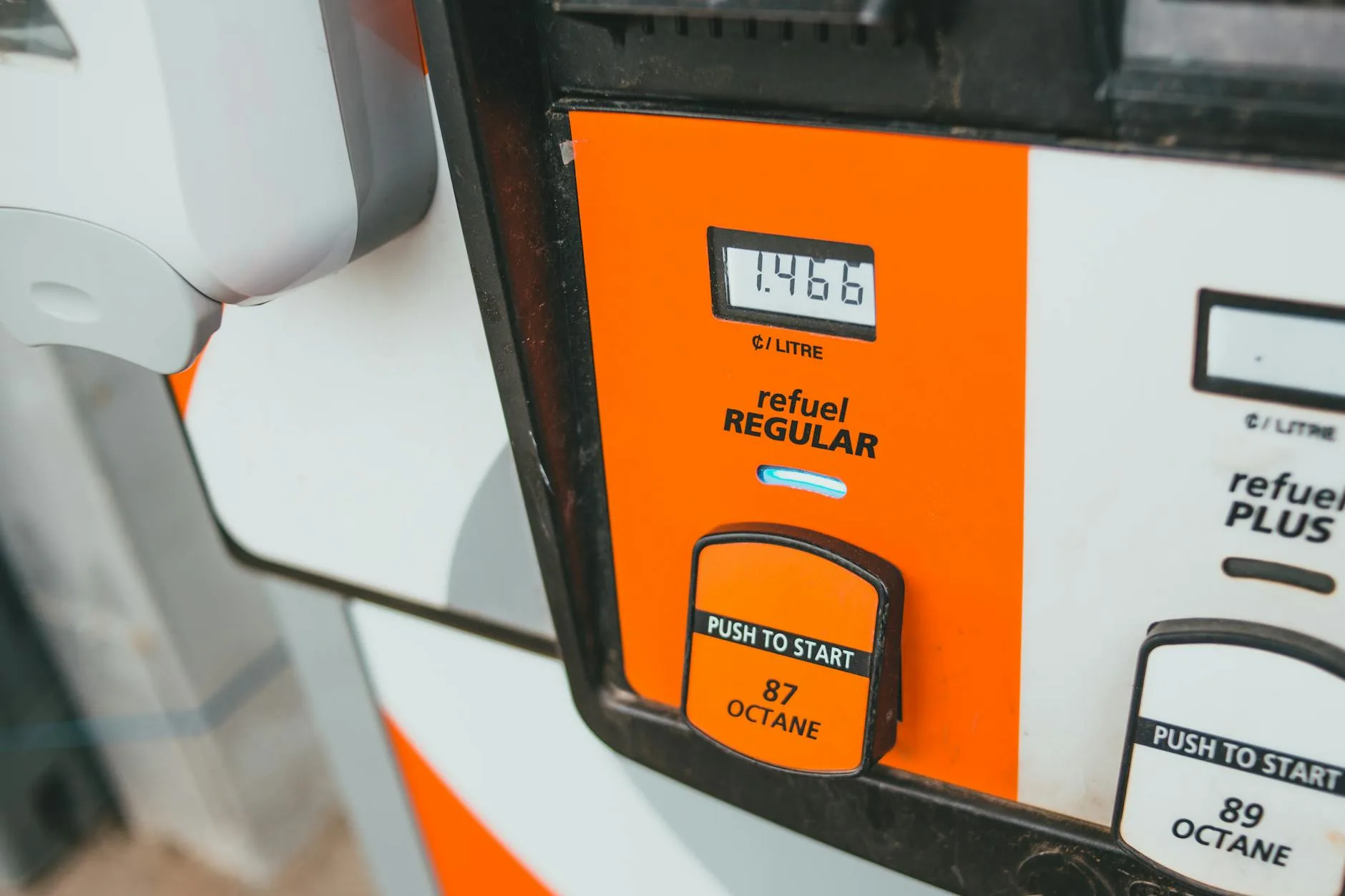
Mahanagar Gas Ltd (MGL) has officially increased the retail price of compressed natural gas (CNG) across the Mumbai Metropolitan Region by Rs 2 per kilogram. Effective immediately, the price has risen from Rs 82 to Rs 84 per kg, impacting millions of daily commuters, taxi operators, and autorickshaw drivers across Mumbai, Thane, and Navi Mumbai.
The Drivers Behind the Hike
The decision to raise prices stems from a convergence of unfavorable global and domestic economic factors. MGL cited rising procurement costs for natural gas, exacerbated by firm crude oil prices and the ongoing depreciation of the Indian rupee, as the primary catalysts for the adjustment.
Global energy supply chains remain under significant strain due to geopolitical tensions in West Asia. These disruptions have tightened natural gas availability, forcing city gas distributors to pass on the increased input costs to the end consumer to maintain operational sustainability.
Currency Volatility Impacts Energy Imports
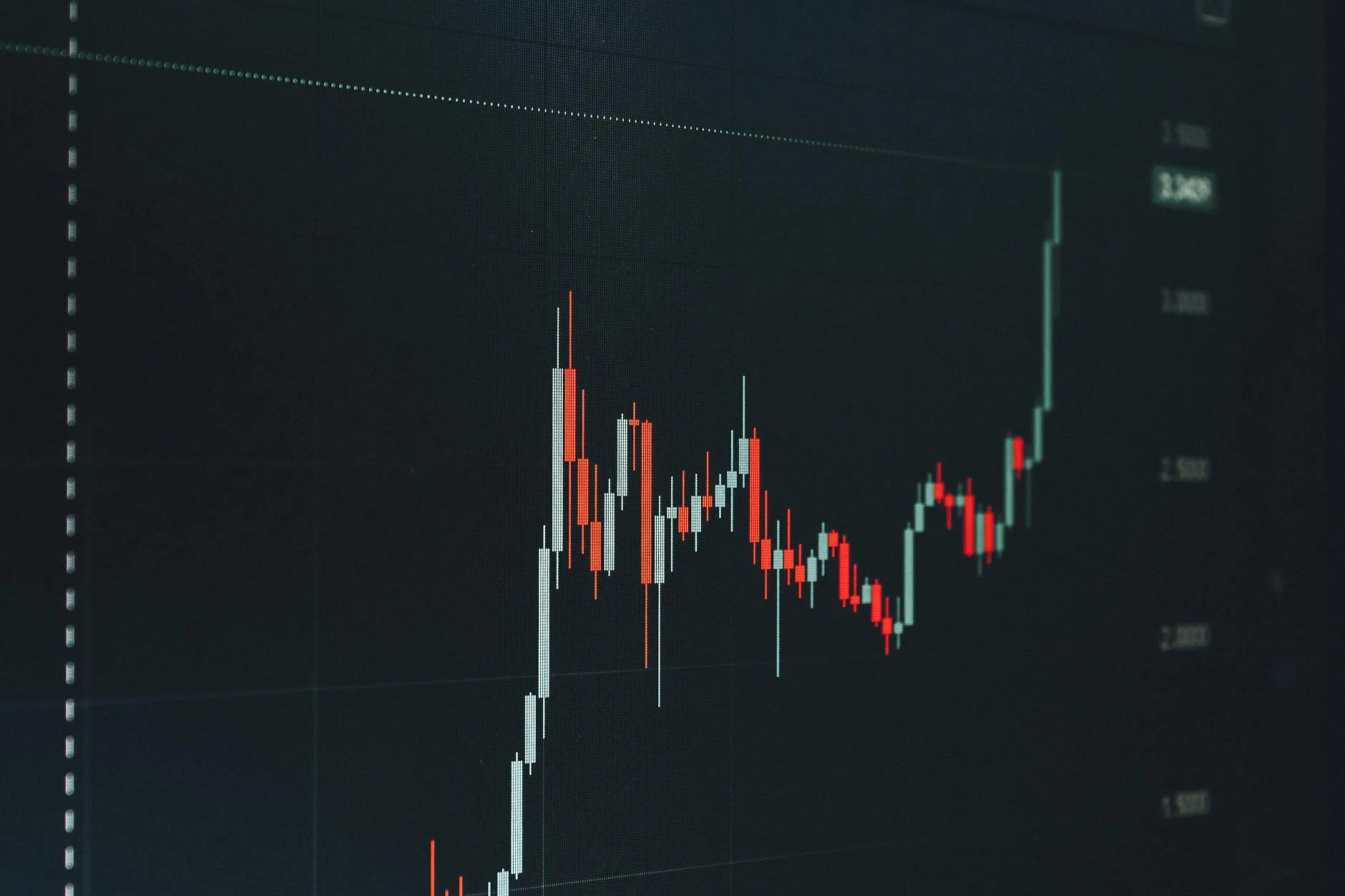
The timing of this price hike coincides with the Indian rupee hitting a fresh record low of 95.85 against the US dollar. Because India imports a significant portion of its energy requirements, the weakening local currency makes dollar-denominated fuel purchases substantially more expensive.
Financial analysts note that the persistent pressure on the rupee is a direct result of elevated global oil prices and broader macroeconomic headwinds. As the currency continues to lose value, the cost of importing essential energy commodities remains trapped in a cycle of inflationary pressure.
Broader Economic Implications for Transportation
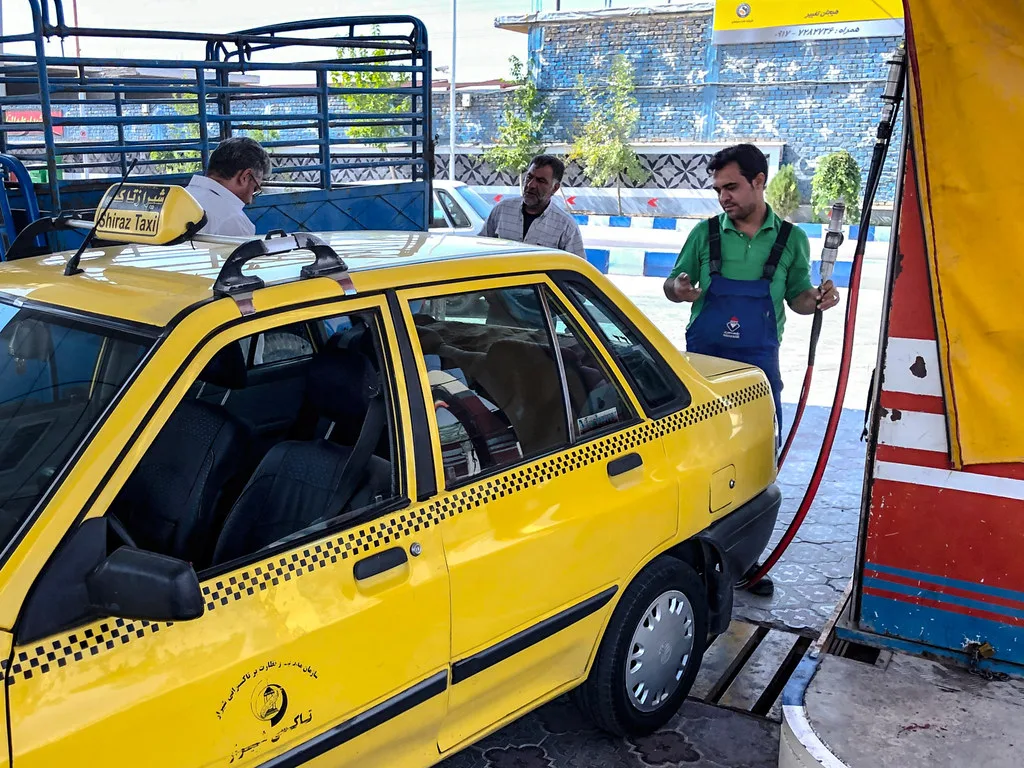
The CNG price hike creates an immediate ripple effect throughout the local transport economy. Small commercial transport operators, including taxi and autorickshaw drivers, are facing squeezed profit margins that threaten their daily livelihoods.
In response to the increased fuel overhead, local autorickshaw unions have already begun lobbying authorities for a formal fare revision. The unions are requesting a minimum increase of Rs 1 in the base fare to mitigate the loss in earnings caused by the fuel price jump.
If the government approves these fare hikes, the burden will shift directly onto the general public, further increasing the cost of urban mobility. For many residents, this represents an additional hurdle in an already high-inflation environment, potentially dampening discretionary spending.
Future Outlook and Market Stability
Industry observers are now closely monitoring the stability of the rupee and global energy trends to determine if further price adjustments are imminent. Should geopolitical tensions in West Asia escalate or the rupee continue to slide, city gas distributors may find it difficult to hold current price levels for an extended period.
Consumers and transport operators should prepare for continued volatility in fuel expenses. Watching for potential government intervention or subsidies for public transport may be critical in the coming months as the city balances the need for affordable energy with the realities of global market fluctuations.