




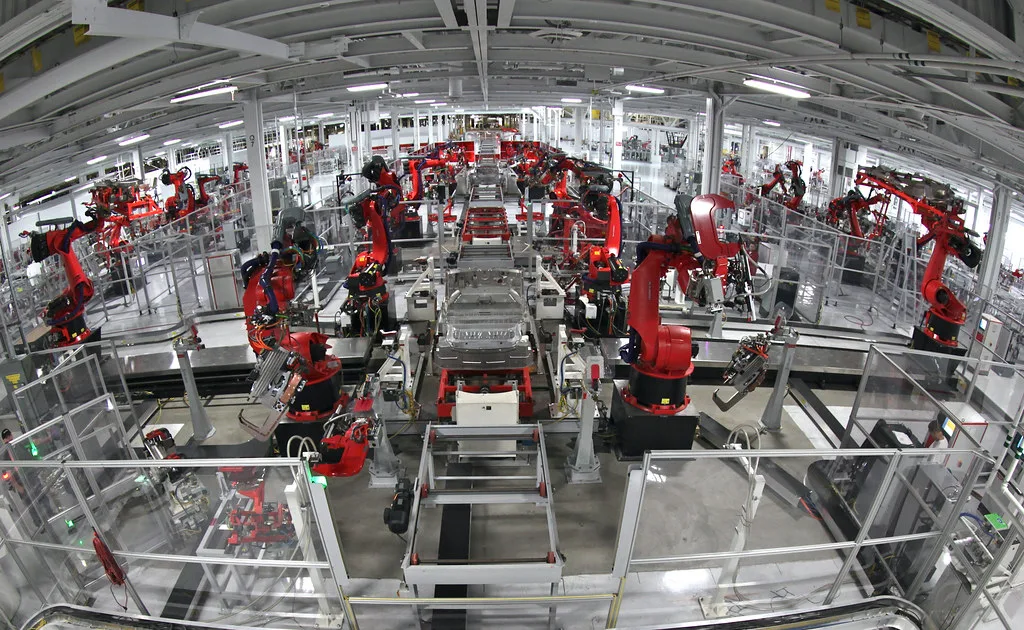
Maruti Suzuki India Limited officially commenced commercial production at the second plant of its manufacturing facility in Kharkhoda, Haryana, this week, marking a significant milestone in the company’s ongoing efforts to scale its domestic manufacturing capabilities. This strategic expansion is designed to meet the rising demand for passenger vehicles across India and bolster the company’s total annual production capacity as it targets a goal of reaching 4 million units by 2030.
Strategic Expansion in the Automotive Hub
The Kharkhoda facility represents one of the largest greenfield investments by the automaker in recent years. Located in the industrial belt of Haryana, the site is positioned to leverage the state’s robust logistics infrastructure and proximity to key automotive supply chains.
The commencement of the second plant follows the successful operational launch of the first unit at the same location. By adding this new production line, Maruti Suzuki effectively increases its output capacity by an additional 250,000 units per annum, mirroring the capacity of the first plant.
Contextualizing the Growth Trajectory
For over four decades, Maruti Suzuki has maintained its position as the market leader in the Indian automotive sector. However, the company faces increasing pressure to shorten delivery timelines and introduce a wider variety of models, including hybrid and electric variants.
Industry analysts note that the Kharkhoda project is essential for the company to maintain its market share against aggressive competition from domestic and international rivals. The facility is expected to play a pivotal role in the production of the company’s next-generation SUVs and upcoming electric vehicle portfolio.
Expert Perspectives on Manufacturing Scalability
Automotive industry experts suggest that the timing of this expansion aligns with a broader shift in the Indian manufacturing landscape. According to recent data from the Society of Indian Automobile Manufacturers (SIAM), passenger vehicle sales in India have shown resilience despite global economic headwinds.
“Scaling up at Kharkhoda allows Maruti Suzuki to optimize its supply chain and reduce reliance on older plants that may face space constraints,” says an industry consultant familiar with the company’s operations. The integration of advanced automation and sustainable manufacturing practices at the new site is expected to improve production efficiency by approximately 15% compared to legacy facilities.
Industry Implications and Future Outlook
This expansion carries significant implications for the regional economy, as it is projected to generate thousands of direct and indirect jobs in the Haryana industrial corridor. For the automotive industry, it signals a long-term commitment to the ‘Make in India’ initiative, favoring domestic production over heavy reliance on imports.
Looking ahead, stakeholders should monitor the pace at which Maruti Suzuki transitions these new lines toward electric vehicle manufacturing. The company has previously indicated that the Kharkhoda facility is designed with modularity in mind, allowing for a swift pivot to EV production as charging infrastructure and consumer demand evolve. Market observers will also be watching for quarterly production updates to see how quickly the second plant reaches its full nameplate capacity in the coming fiscal year.