




Balancing Energy Costs
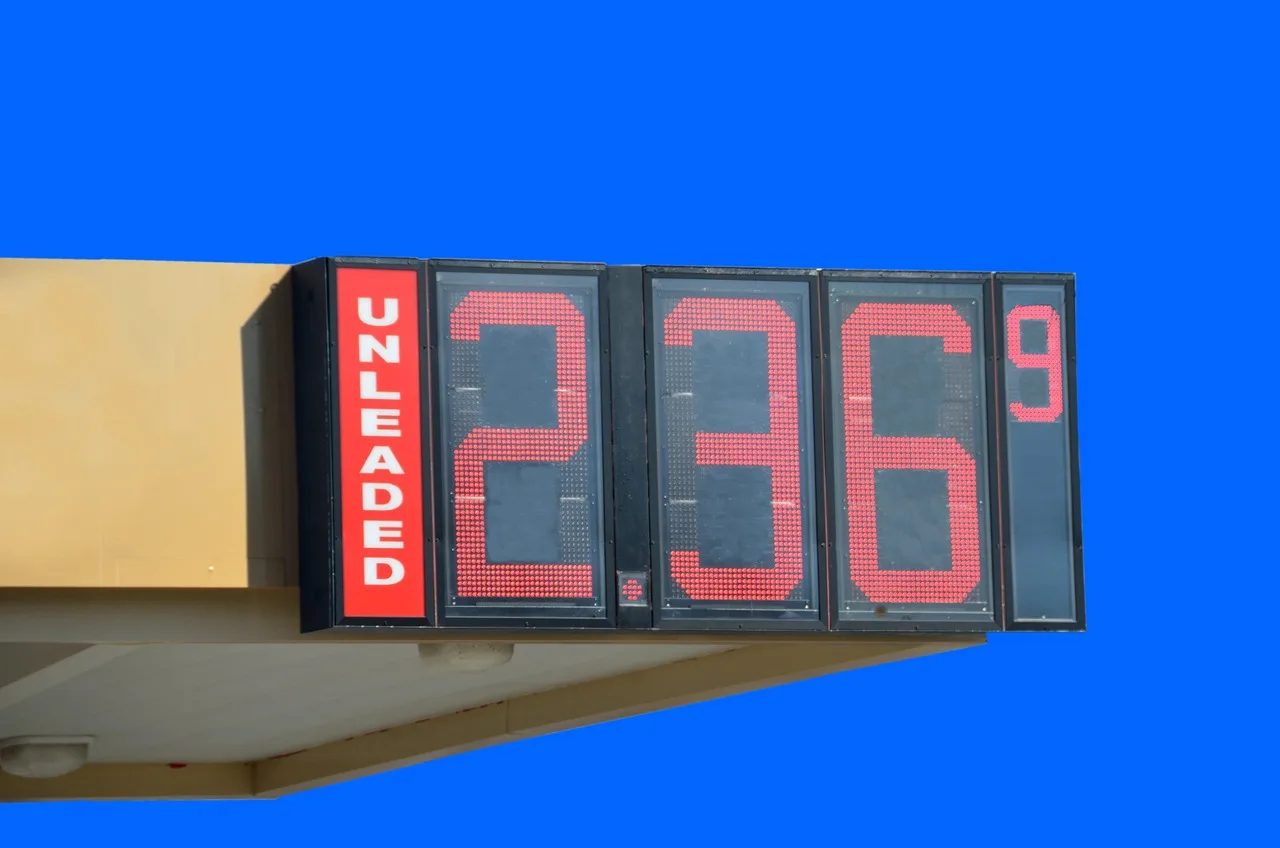
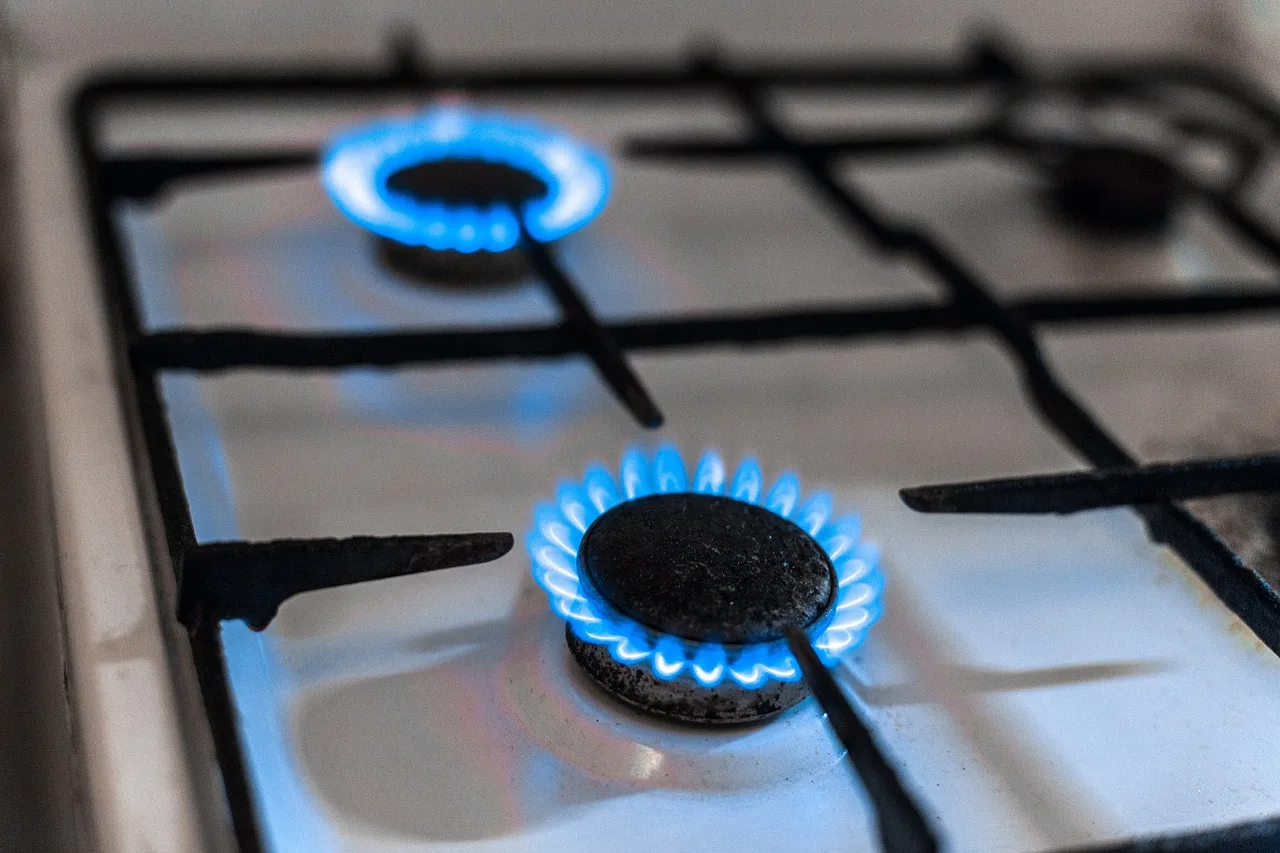
Government officials confirmed this week that the recent hike in Liquefied Petroleum Gas (LPG) cylinder prices was a necessary measure to balance consumer interests against the deteriorating financial health of state-run oil marketing companies. While the increase has sparked concern among households, authorities have explicitly ruled out any immediate plans to raise prices for petrol and diesel, signaling a bifurcated approach to energy policy.
The Context of Energy Pricing
The decision to adjust LPG pricing comes amidst volatile global crude oil markets that have placed significant pressure on the balance sheets of Indian oil companies. These firms have historically absorbed the brunt of price fluctuations to prevent inflationary shocks to the broader economy. By adjusting LPG rates, the government aims to recover some of these operational losses while maintaining relative stability in the transport fuel sector.
Analyzing the Economic Strategy
Industry analysts suggest that the decision to shield petrol and diesel from price hikes is a strategic move to control the national inflation rate. Transport fuel prices have a direct, cascading effect on the cost of logistics and essential goods across the country. By keeping these fuel costs stable, the government hopes to protect the supply chain from further inflationary pressure during a period of global economic uncertainty.
Conversely, the LPG segment has been subject to periodic adjustments to reflect international import parity prices. The government maintains that the current pricing model is designed to ensure the long-term viability of energy suppliers, who must remain solvent to guarantee the consistent distribution of fuel across the country’s vast geography.
Expert Perspectives and Market Data
Energy economists point out that oil marketing companies have been operating under thin margins for several quarters, often leading to under-recoveries. According to data from the Petroleum Planning and Analysis Cell, global benchmarks for LPG have fluctuated significantly, often decoupling from the trends observed in crude oil. This inconsistency requires periodic price corrections to avoid a total collapse of the retail distribution network.
Financial experts note that while consumers feel the immediate impact of higher cooking gas costs, the alternative—a collapse in oil company profitability—would pose a greater risk to national energy security. The government’s targeted approach allows for a controlled transition rather than a sudden, broad-based price shock that would affect every sector of the economy simultaneously.
Future Implications for Consumers
Looking ahead, market participants should remain vigilant regarding global geopolitical tensions that continue to influence crude oil benchmarks. While the government has pledged to keep petrol and diesel prices steady for the time being, the sustainability of this policy remains contingent on global supply stability. Observers will be watching for potential adjustments to subsidy schemes or, conversely, further price rationalization if the gap between cost and retail price continues to widen in the coming fiscal quarters.