




Market Volatility Strains Asian Economies
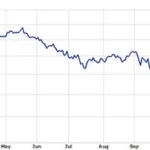
Escalating hostilities between Israel and Iran have triggered a sharp decline in Asian currencies this week, as investors pivot toward the safety of the U.S. dollar and fear the impact of surging oil prices. Regional central banks are now facing their most significant test in years, as the dual pressure of geopolitical instability and a strengthening greenback threatens the stability of foreign-exchange reserves across the continent.
The Legacy of 1997 and Modern Fragility
Following the 1997 Asian Financial Crisis, many nations in the region aggressively accumulated foreign-exchange reserves to insulate their domestic economies against external shocks. These reserves were intended to provide a buffer against capital flight and currency devaluation during periods of global turbulence.
However, the current environment presents a unique challenge that transcends traditional market cycles. As Iran’s involvement in regional conflict deepens, the threat of supply-side shocks to global energy markets has forced analysts to re-evaluate the resilience of emerging market currencies.
The Mechanics of the Currency Sell-off
The primary driver of the current currency weakness is the predictable inverse relationship between oil prices and the economic health of energy-importing nations. Countries like India, South Korea, and Thailand remain highly sensitive to crude oil costs, which directly influence inflation and trade deficits.
As oil prices climbed, the U.S. dollar surged, driven by its status as a safe-haven asset and expectations of persistent interest rates from the Federal Reserve. This combination creates a ‘double-squeeze’ for Asian markets: the cost of importing fuel rises just as the local currency loses purchasing power against the dollar.
Data from regional central banks indicate that intervention efforts have already begun, with several institutions selling dollar holdings to stabilize exchange rates. Despite these efforts, the sheer volume of capital outflows suggests that market sentiment remains heavily skewed toward risk aversion.
Expert Perspectives on Market Stability
Financial analysts at major investment firms have noted that while reserve levels are historically robust, the velocity of the current sell-off is concerning. ‘The buffer is there, but the duration of the conflict will determine if these reserves are sufficient to prevent a deeper crisis,’ noted one lead economist in a recent briefing.
Market data shows that the Japanese yen and the South Korean won have been particularly vulnerable, reflecting their deep integration into global trade and energy supply chains. Investors are now closely monitoring central bank communications for signs of increased intervention or shifts in monetary policy aimed at curbing volatility.
Implications for Global Trade
For the average consumer and business owner in Asia, the immediate implication is rising imported inflation. As currencies weaken, the cost of goods denominated in U.S. dollars—ranging from consumer electronics to essential commodities—is expected to climb, potentially forcing regional central banks to keep interest rates higher for longer than previously anticipated.
Looking ahead, the focus remains on the trajectory of crude oil supply routes in the Middle East. Should tensions lead to a prolonged blockage or disruption in shipping, analysts warn that the current currency correction could evolve into a broader macroeconomic challenge. Market participants should watch for upcoming central bank meetings and potential coordinated interventions, which may provide the next signal regarding the floor for these battered currencies.