





Rising Fuel Costs Impacting Consumers Nationwide
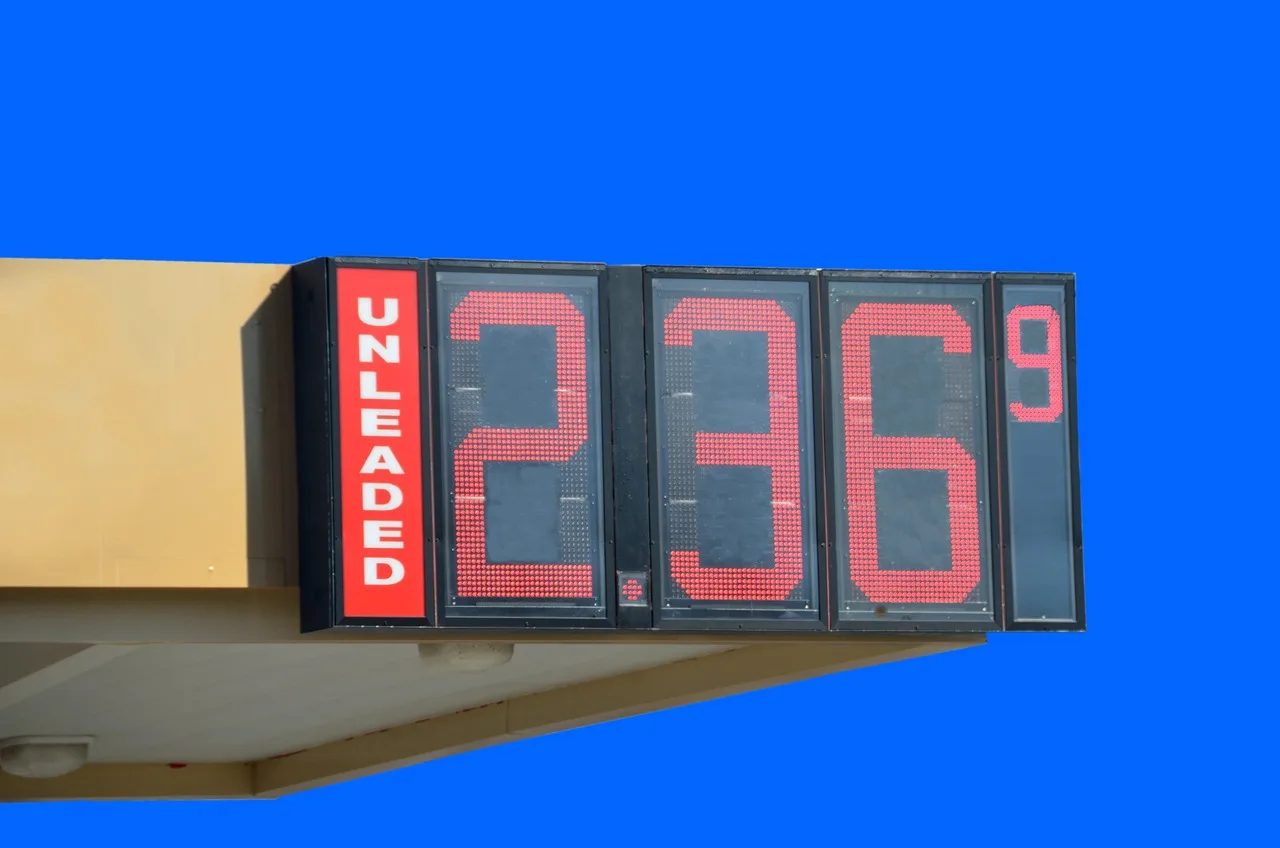
Consumers across India are facing renewed financial strain as state-owned oil marketing companies hiked petrol prices by 87 paise and diesel by 91 paise per litre on Saturday. This marks the third consecutive increase in retail fuel rates within a ten-day span, pushing the cumulative rise to nearly Rs 5 per litre since mid-May. The adjustment follows a prolonged period of stagnant prices, reflecting a strategic shift by retailers to reconcile domestic costs with volatile global energy markets.
Contextualizing the Price Hike
The recent price revisions come after a significant hiatus in fuel rate adjustments, which had shielded consumers from fluctuating global oil prices for several months. State-run entities, including the Indian Oil Corporation (IOC), Bharat Petroleum Corporation Ltd (BPCL), and Hindustan Petroleum Corporation Ltd (HPCL), collectively manage approximately 90 percent of the nation’s fuel supply. Their decision to resume daily or periodic pricing reflects the necessity of aligning domestic retail figures with the rising cost of importing crude oil, which has been exacerbated by a weakening rupee.
Global Market Volatility and Supply Disruptions
The primary driver behind this inflationary trend is the sharp ascent of global crude oil prices, which have surged more than 50 percent since late February. Geopolitical instability, including US-Israeli strikes on Iran and significant disruptions to shipping lanes through the Strait of Hormuz, has tightened global supply chains. As a critical transit route for global oil, any instability in the Strait of Hormuz directly correlates to increased risk premiums and higher procurement costs for energy-importing nations like India.
Industry Response and Market Dynamics
The price adjustments have not been limited to public sector undertakings; private retailers have mirrored these hikes to remain competitive and maintain refining margins. While firms like Jio-BP have largely moved in tandem with state-run rivals, other private players had previously implemented independent, steeper price hikes throughout March and April to combat rising procurement expenses. These coordinated increases underscore a unified industry response to the narrowing gap between international crude benchmarks and domestic retail pump prices.
Economic Implications and Future Outlook
The sustained increase in fuel costs poses a significant threat to broader economic stability, primarily through the mechanism of transport-led inflation. As diesel costs rise, the expense of moving goods and services across the country climbs, inevitably translating into higher prices for essential commodities. Economists suggest that if these upward trends continue, the inflationary pressure could dampen consumer demand and complicate the central bank’s monetary policy decisions. Market observers are now closely watching global crude benchmarks to determine if this cycle of price hikes will persist or if a stabilization period is on the horizon.