




Gold prices experienced a notable decline this week as military strikes conducted by the United States in the Strait of Hormuz dampened investor optimism regarding diplomatic efforts to secure the vital waterway. The escalation, occurring against a backdrop of persistent global inflation, has complicated the outlook for precious metals as traders weigh geopolitical risk against shifting macroeconomic data.
The Context of the Strait of Hormuz
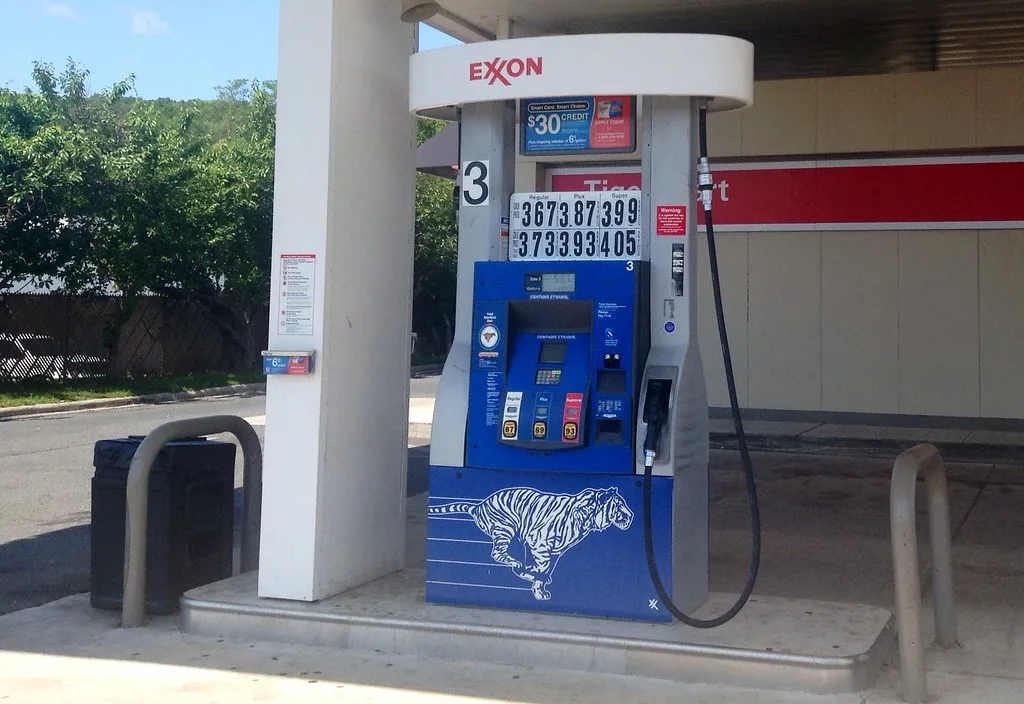
The Strait of Hormuz serves as the world’s most critical oil chokepoint, with approximately one-fifth of global oil consumption passing through its narrow passage daily. Recent diplomatic overtures intended to stabilize the region and ensure safe transit for commercial vessels have faced significant setbacks following the latest military engagements.
Markets had previously priced in a degree of stability, expecting that diplomatic negotiations would alleviate supply chain pressures. The return of active conflict has reversed these expectations, forcing investors to recalibrate the potential for energy-driven inflation to persist longer than central banks initially anticipated.
Market Reactions and Economic Implications
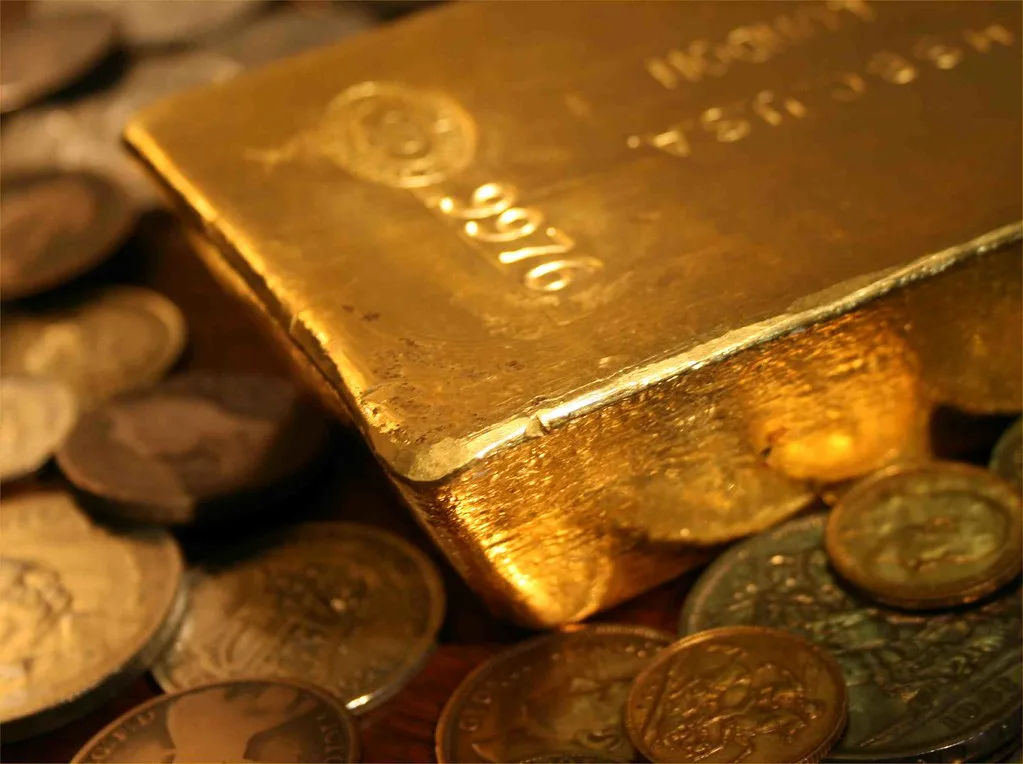
Gold is traditionally viewed as a safe-haven asset, yet its price action has become increasingly sensitive to the interplay between central bank policy and geopolitical volatility. While conflict typically drives demand for bullion, the current environment is heavily influenced by the Federal Reserve’s stance on interest rates.
Data from the CME Group’s FedWatch tool indicates that market participants are closely watching the trajectory of inflation, as higher rates diminish the appeal of non-yielding assets like gold. When inflation risks remain elevated without a clear path to resolution, the dollar often strengthens, exerting downward pressure on gold prices.
Expert Perspectives on Volatility
Financial analysts suggest that the current price dip reflects a market caught between two opposing forces. On one hand, the threat of supply chain disruption supports gold’s role as a hedge; on the other, the risk of higher-for-longer interest rates to combat energy-related inflation creates a headwind for the metal.
According to recent commodity market reports, institutional investors are currently balancing their portfolios by trimming exposure to speculative assets. The uncertainty surrounding energy transit through the Strait of Hormuz adds a layer of complexity to these decisions, as energy costs remain a primary driver of the Consumer Price Index (CPI).
Future Outlook and What to Watch
Moving forward, the primary factor for investors will be the duration and intensity of the military presence in the Strait. Should the conflict escalate further, the resulting surge in energy prices could force central banks to maintain restrictive monetary policies, potentially keeping gold under pressure despite its traditional status as a hedge.
Market participants should closely monitor upcoming diplomatic statements from regional powers and any shifts in the Federal Reserve’s messaging. If the waterway remains compromised, the resulting inflationary ripple effects are expected to dominate market sentiment throughout the coming quarter.