





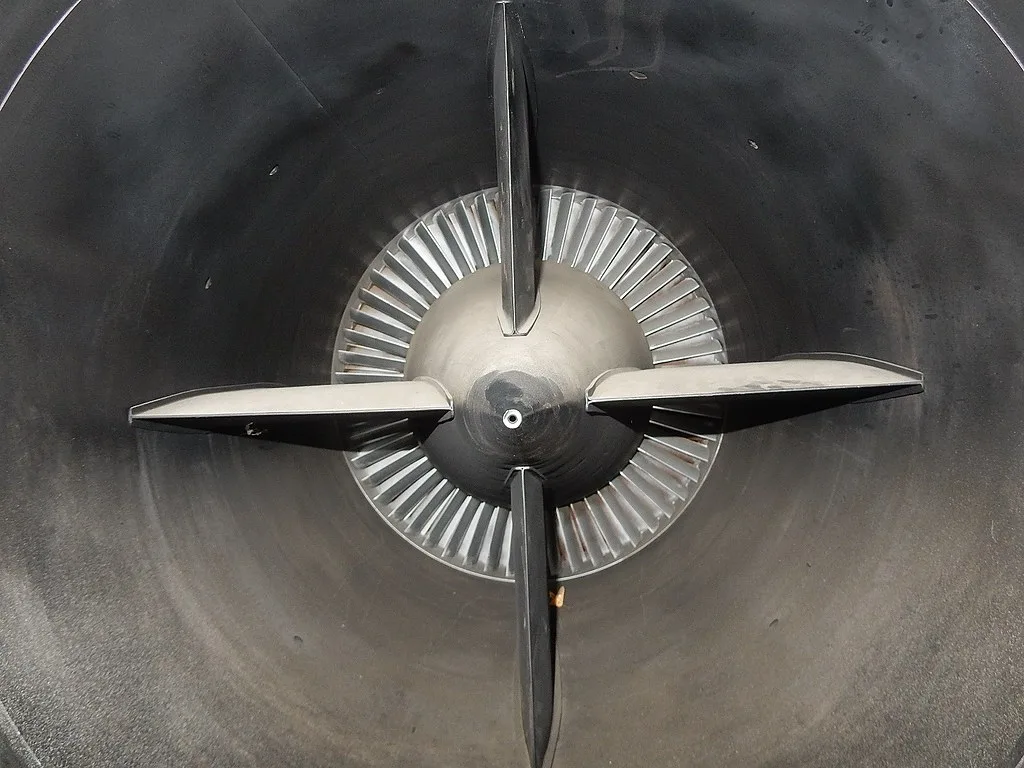
Airlines worldwide are increasingly standardizing the use of Aviation Turbine Fuel (ATF), a specialized kerosene-based substance, to power modern jet engines instead of traditional automotive petrol. This global aviation industry shift is driven by the rigorous demands of high-altitude flight, where safety, cost-efficiency, and thermal stability are paramount for long-haul operations.
The Evolution of Aviation Propulsion
For decades, the aviation industry moved away from high-octane petrol—once common in piston-engine aircraft—toward kerosene-based derivatives. While petrol is highly volatile and prone to premature ignition, kerosene offers a higher flash point, making it significantly safer for ground handling and storage.
Technical specifications for Jet A and Jet A-1 fuels are governed by international standards, including ASTM D1655. These standards ensure that the fuel maintains a low freezing point, which is critical when aircraft cruise at altitudes where external temperatures frequently drop below -40 degrees Celsius.
Performance at Altitude
One of the primary reasons for the industry’s preference for kerosene is its superior energy density per unit of weight. Jet engines are designed to compress, heat, and ignite fuel in a continuous flow, a process that requires a stable, slow-burning fuel rather than the explosive combustion required by internal combustion engines.
According to data from the International Air Transport Association (IATA), the stability of kerosene-based fuel prevents engine stalling and ensures consistent thrust across varying atmospheric pressures. Furthermore, kerosene acts as a lubricant for the complex fuel pumps and nozzles within a jet engine, reducing mechanical wear and lowering long-term maintenance costs for airline operators.
Economic and Supply Chain Factors
The choice of fuel is also heavily influenced by market economics. Petrol is a high-demand commodity in the automotive sector, leading to price volatility and supply competition. In contrast, kerosene is derived from the middle distillates of crude oil, often placing it in a separate supply chain from the gasoline used in passenger vehicles.
Energy analysts note that the refining process for jet fuel allows for a more consistent chemical composition, which is vital for engine longevity. Because jet fuel is not subject to the same tax structures or market fluctuations as retail automotive petrol, airlines can achieve more predictable operational budgeting.
Implications for the Future
The aviation sector is now looking toward the next phase of fuel evolution: Sustainable Aviation Fuel (SAF). While the chemical foundation remains similar to traditional kerosene to ensure compatibility with existing jet engine infrastructure, SAF is derived from renewable sources like cooking oil, plant waste, and synthetic carbon capture.
Industry experts suggest that the transition to SAF will be the most significant development in aviation energy over the next decade. As airlines face increasing pressure to lower their carbon footprint, the focus will remain on maintaining the high-performance standards of kerosene while decarbonizing the fuel’s origin. Stakeholders should monitor the scaling of global SAF production facilities, as these will dictate the speed at which the industry moves away from fossil-based kerosene.