



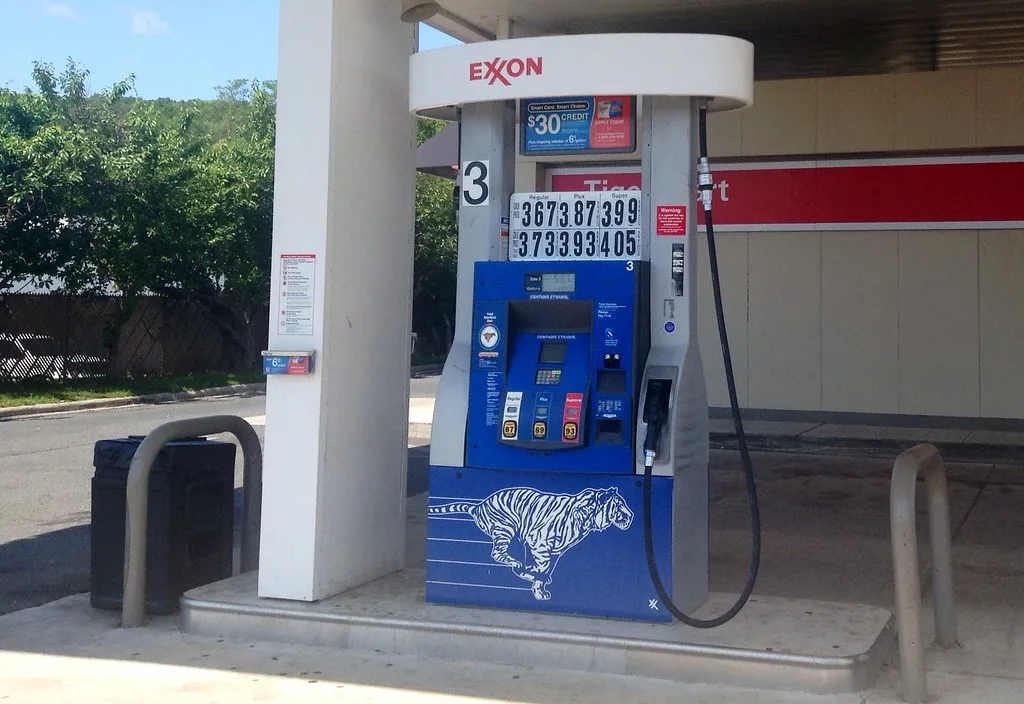
Motorists across the country frequently debate whether filling a gas tank in the early morning or late at night yields better fuel density, but engineering data suggests this common practice offers no tangible financial benefit. Industry experts and fuel storage specialists confirm that the timing of a trip to the gas station is effectively irrelevant to fuel efficiency, as modern storage infrastructure mitigates the impact of ambient temperature fluctuations.
The Science of Underground Fuel Storage
The persistent belief that cooler air temperatures increase fuel density—and thus provide more energy per gallon—relies on the physics of thermal expansion. While it is true that gasoline expands in heat and contracts in cold, the fuel dispensed at service stations is drawn from massive, double-walled tanks buried several feet underground.
These subterranean environments remain remarkably stable regardless of the time of day or the surface weather. Because the earth acts as a natural insulator, the temperature of the fuel in the tank remains nearly constant throughout a 24-hour cycle. Consequently, the volume of fuel delivered to a vehicle’s tank does not fluctuate based on the air temperature outside.
Dispelling the Thermal Expansion Myth
Proponents of the