



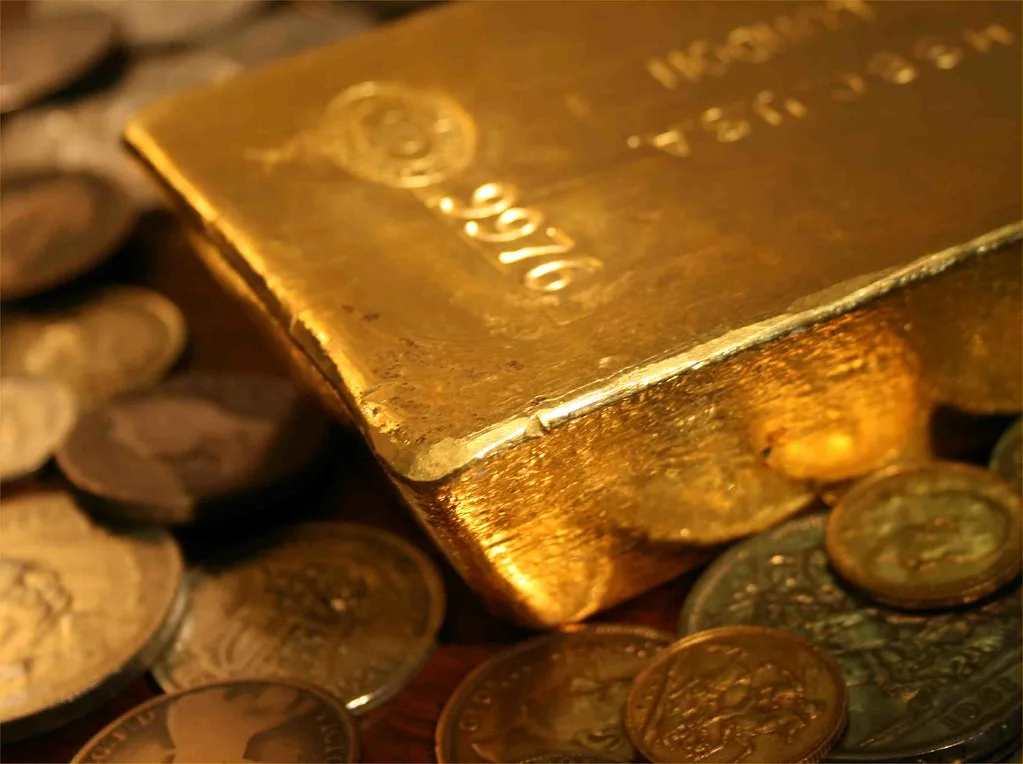
Gold prices surged on global markets this week as reports of a potential breakthrough in diplomatic negotiations between the United States and Iran signaled a possible easing of tensions in the Strait of Hormuz. The precious metal, often viewed as a haven against geopolitical volatility and economic instability, saw its value climb as investors reacted to the prospect of increased oil supply and lower energy-driven inflationary pressures.
The Geopolitical Context
The Strait of Hormuz remains one of the world’s most critical maritime chokepoints, through which approximately 20% of the world’s total petroleum consumption passes daily. For months, uncertainty surrounding Iranian relations and the threat of regional conflict has fueled fears of supply chain disruptions and surging fuel costs.
When these tensions heighten, energy prices typically spike, driving broad-based inflation that impacts everything from shipping costs to consumer goods. By moving toward a deal that could normalize shipping lanes, the market is pricing in a reduction in the “geopolitical risk premium” that has kept energy markets on edge throughout the fiscal year.
Market Dynamics and Investor Behavior
While gold is traditionally associated with hedging against inflation, its recent price action highlights the complex, multi-faceted nature of the commodity. Traders are currently balancing two competing narratives: the cooling of energy-related inflation versus the ongoing demand for safe-haven assets in a high-interest-rate environment.
Data from the World Gold Council suggests that central bank acquisitions and retail demand continue to provide a floor for gold prices, even as macroeconomic conditions fluctuate. Market analysts note that while lower oil prices might theoretically reduce inflationary pressure, the uncertainty regarding global central bank policy continues to make gold an attractive component of diversified portfolios.
Expert Perspectives
“The market is currently recalibrating its expectations for the remainder of the year,” says Sarah Jenkins, a senior commodities analyst at Global Financial Insights. “While the prospect of a diplomatic deal in the Middle East provides a clear signal for lower energy volatility, investors are not yet abandoning gold as a store of value.”