




Geopolitical Tensions Drive Energy Market Surge
Global oil prices climbed sharply on Wednesday following a significant escalation in Middle East hostilities, marked by Iranian drone strikes on Kuwait’s international airport and a series of retaliatory military engagements between Iranian forces and the United States. The sudden spike in Brent crude, which surged by over 4% in early trading, reflects heightened investor anxiety regarding the security of critical energy infrastructure and maritime transit routes in the Persian Gulf.
Contextualizing the Regional Instability
The conflict represents a dramatic departure from the localized skirmishes that have characterized U.S.-Iran relations in recent months. By targeting Kuwait, a key regional logistics hub and major oil producer, the scope of the potential impact on global supply chains has expanded significantly.
Historically, the Strait of Hormuz has served as a primary bottleneck for global energy markets, with approximately 20% of the world’s total oil consumption passing through the waterway daily. Analysts note that any prolonged disruption in this corridor or damage to neighboring facilities in Kuwait could create an immediate supply deficit that current strategic reserves may struggle to offset.
Market Reaction and Economic Implications
Financial analysts at major investment firms have already begun revising their short-term outlooks, warning that the volatility could persist as long as the status of critical infrastructure remains uncertain. The energy sector, which had been attempting to stabilize following recent OPEC+ production adjustments, is now bracing for a period of extreme price swings.
Energy economist Sarah Jenkins noted that the markets are pricing in a ‘risk premium’ that accounts for the possibility of a wider regional conflict. ‘The primary concern for the global economy is not just the immediate supply loss, but the potential for a cascading effect on shipping insurance rates and tanker availability,’ Jenkins stated.
Data from the International Energy Agency (IEA) indicates that global inventories remain at five-year lows, leaving very little margin for error in the event of a sustained supply disruption. This inventory tightness serves as a multiplier for price volatility, as any perceived threat to output is met with aggressive buying from institutional investors.
Looking Ahead: Potential Industry Shifts
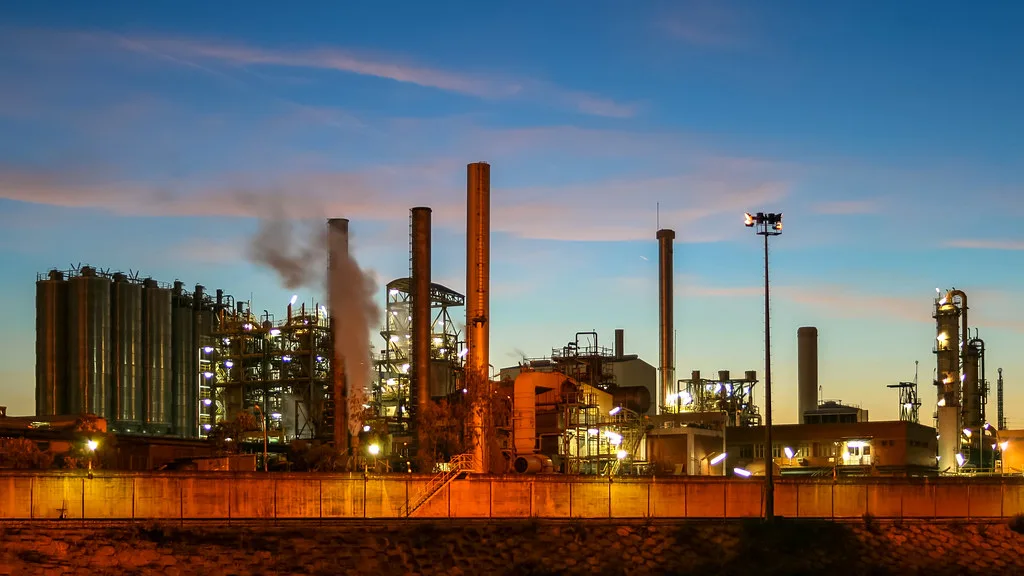
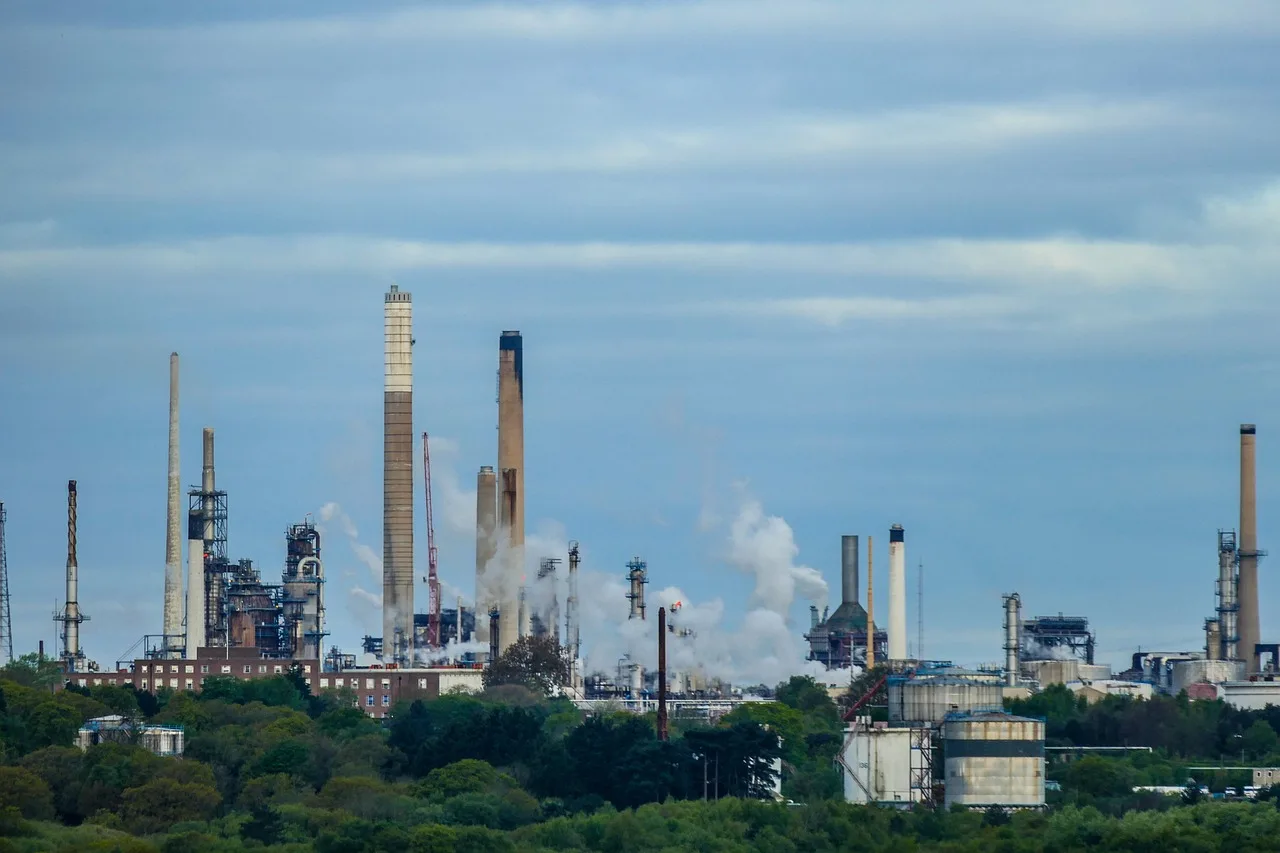
The immediate concern for the industry is the security of oil terminals and the safety of the tanker fleets operating in the Gulf. Insurance providers are reportedly reassessing risk profiles for vessels navigating the region, a move that could lead to significantly higher transit costs that will eventually be passed down to end-consumers at the gasoline pump.
Market watchers are now turning their attention to the upcoming emergency session of the UN Security Council and any statements from OPEC+ members regarding potential supply adjustments. The trajectory of oil prices over the coming weeks will likely depend on whether the military exchanges remain contained or escalate into a broader regional confrontation that threatens the structural integrity of oil production facilities across the Arabian Peninsula.