





The Price Surge
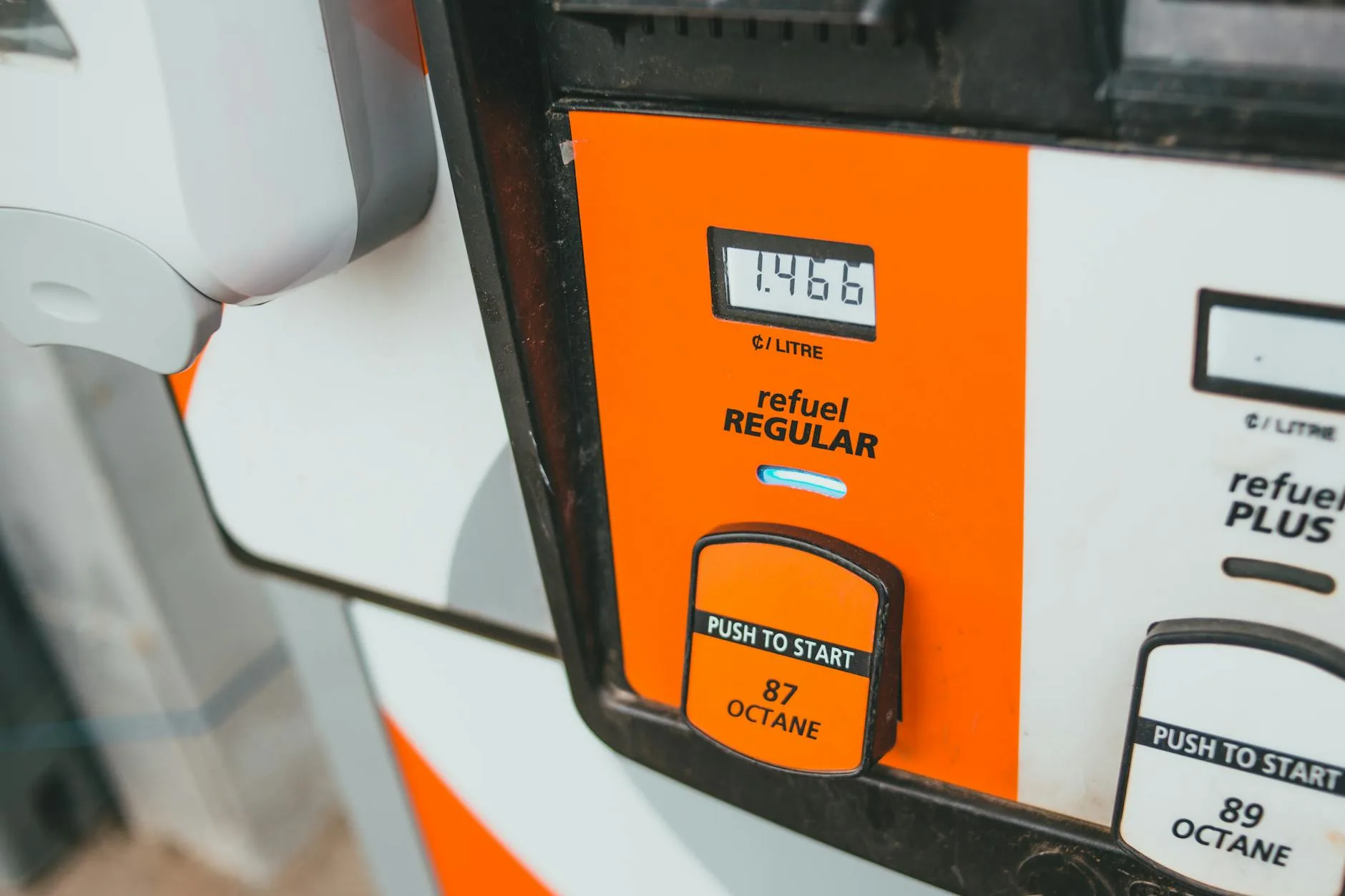
In a move marking the first fuel price adjustment in nearly four years, the Indian government announced a Rs 3 per litre hike for petrol and diesel, alongside a Rs 2 per kg increase for compressed natural gas (CNG) this Friday. This decision, driven by volatile global crude oil rates stemming from the ongoing conflict in West Asia, is expected to place significant pressure on household budgets, transport operators, and national logistics costs.
Contextual Challenges
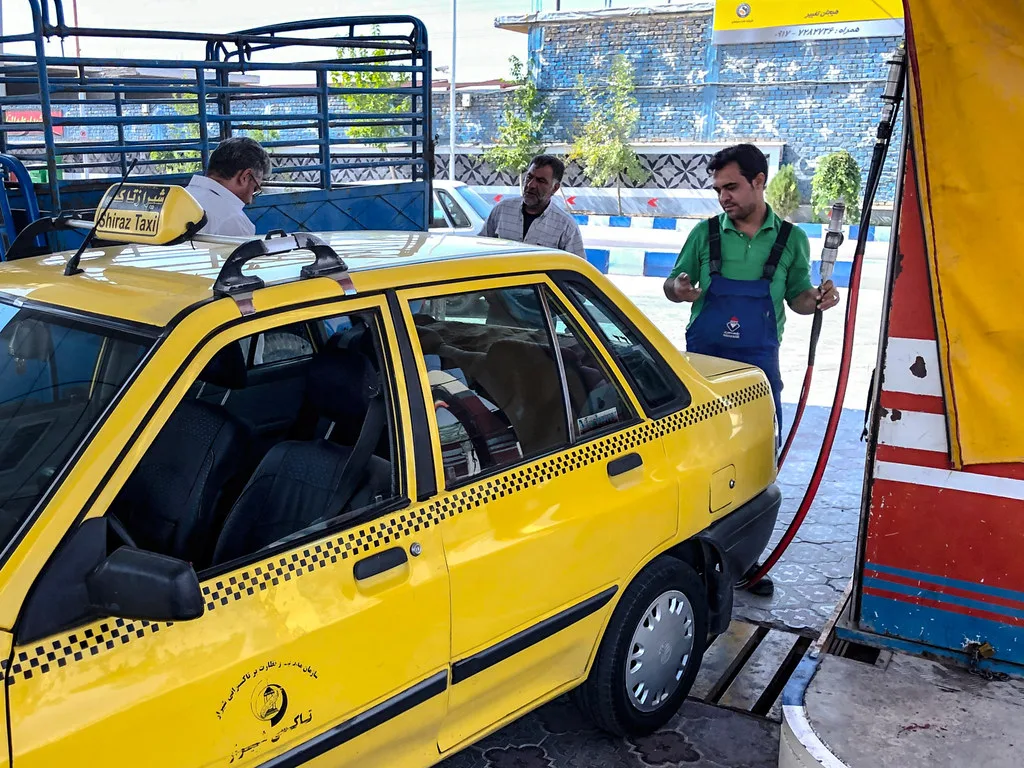
The global oil market’s instability has forced private gas-pump operators across India to either cut back on diesel sales or implement their own price hikes to manage costs. This has left state-run refiners to manage the resulting surge in demand, highlighting the precarious nature of India’s current energy reliance. Geopolitical tensions in the Middle East have pushed crude premiums, freight rates, and insurance costs higher, further complicated by a weakening rupee.
The Electric Alternative
As traditional fuel costs rise, the economic case for electric heavy-duty trucks is strengthening rapidly. A recent report by C40 Cities and The Climate Pledge indicates that 55-tonne electric trucks are now within 3 to 4 percent of the cost of their diesel counterparts, with price parity expected within the next year. Smaller electric trucks, ranging from 14 to 19 tons, are projected to reach similar affordability levels within three to four years.
Scaling the Infrastructure
To support this transition, the government has introduced the National EV Highway Guidance Framework. This roadmap aims to establish a fully electric national freight network by 2035, prioritizing 20 key highways identified by the Ministry of Heavy Industries. Insights from the Laneshift pilot project, which spanned 200,000 kilometers of testing, confirm that electric trucks are already commercially viable for daily operations exceeding 400 kilometers.
Energy Security Through LNG
Beyond electrification, India is actively seeking to bolster its Liquefied Natural Gas (LNG) storage capacity to mitigate future supply shocks. With India importing roughly half of its natural gas from nations like Qatar and the US, the current West Asian crisis has prompted a push for greater energy diversification. Petronet LNG, the country’s largest gas importer, emphasizes that expanding storage is essential to maintaining stable supplies for electricity generation, fertilizer production, and domestic automotive use.
Looking Ahead
The immediate impact of the fuel price hike will be a rise in retail inflation as logistics costs ripple through the supply chain. In the coming months, market watchers should monitor the speed at which fleet operators adopt electric trucks, as evidenced by the 4.2-fold increase in orders recorded during recent pilot programs. Furthermore, the government’s ability to secure long-term LNG contracts will determine the stability of the energy sector as the nation works toward its 2070 net-zero emission goal.