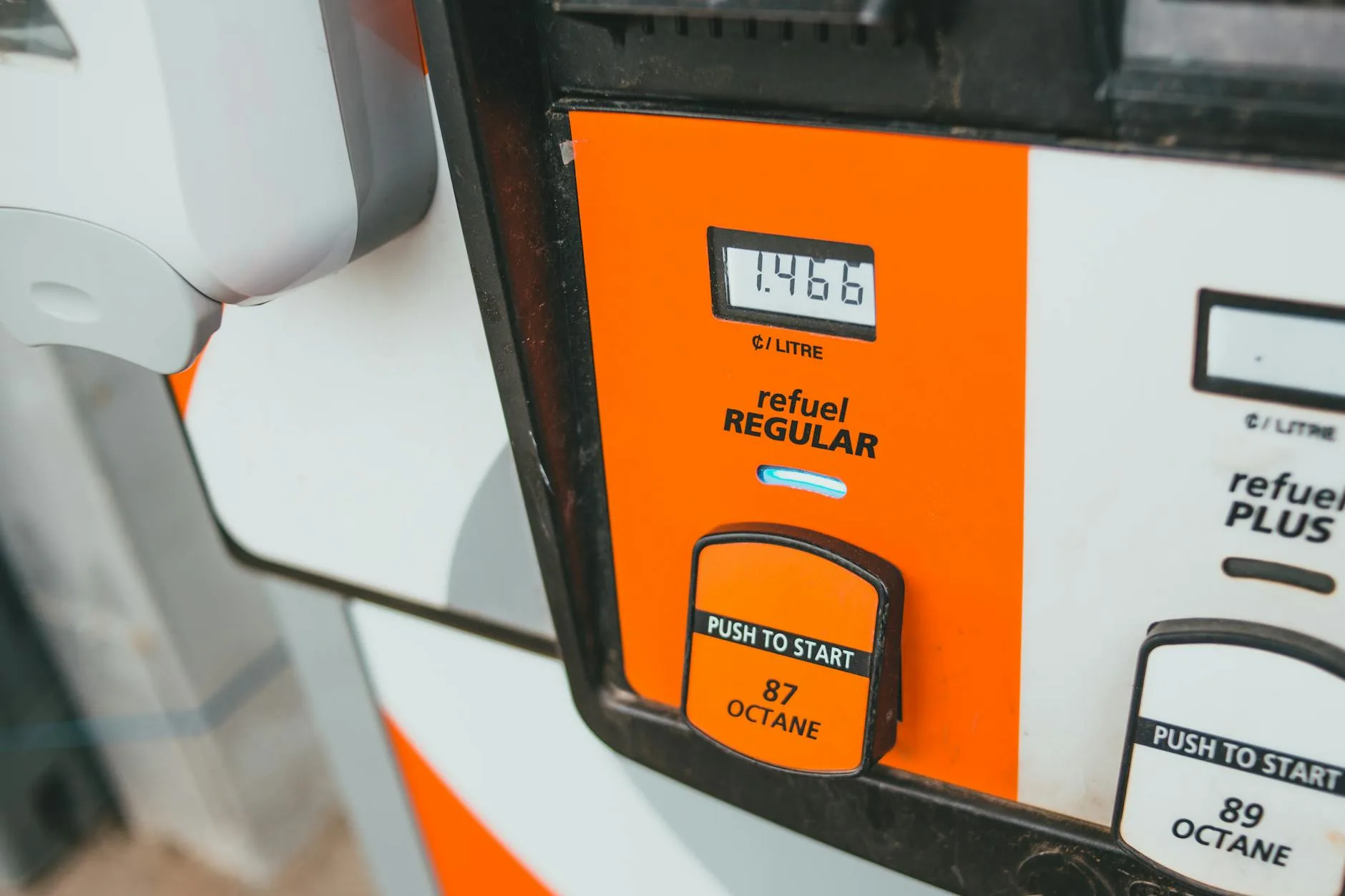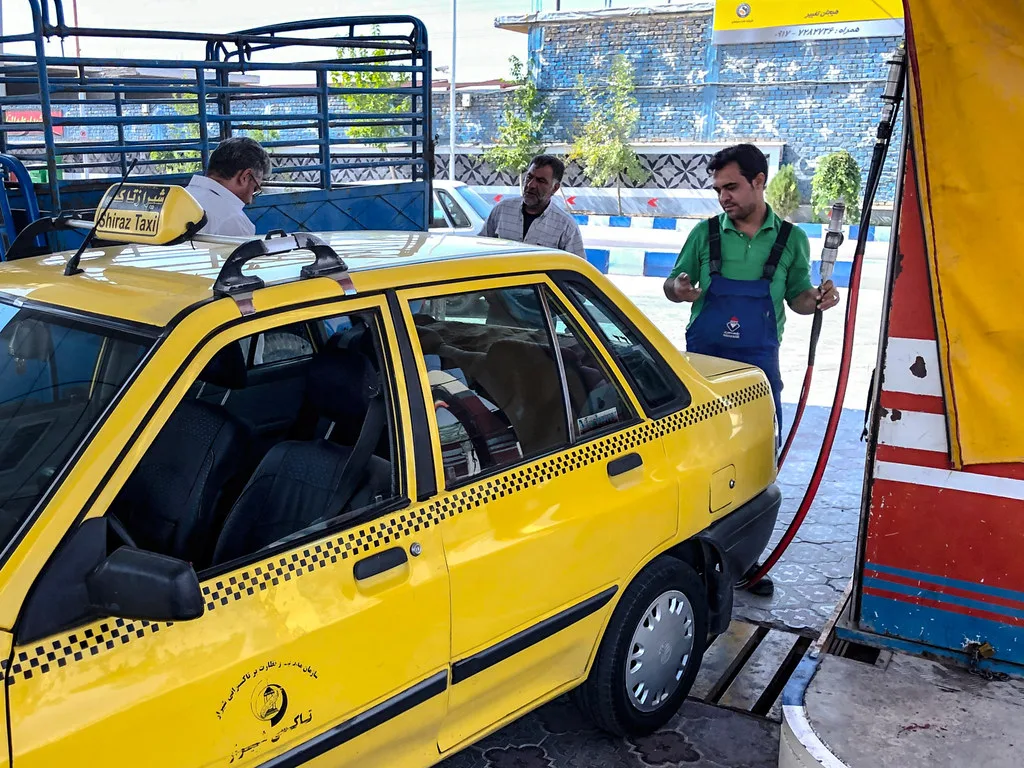





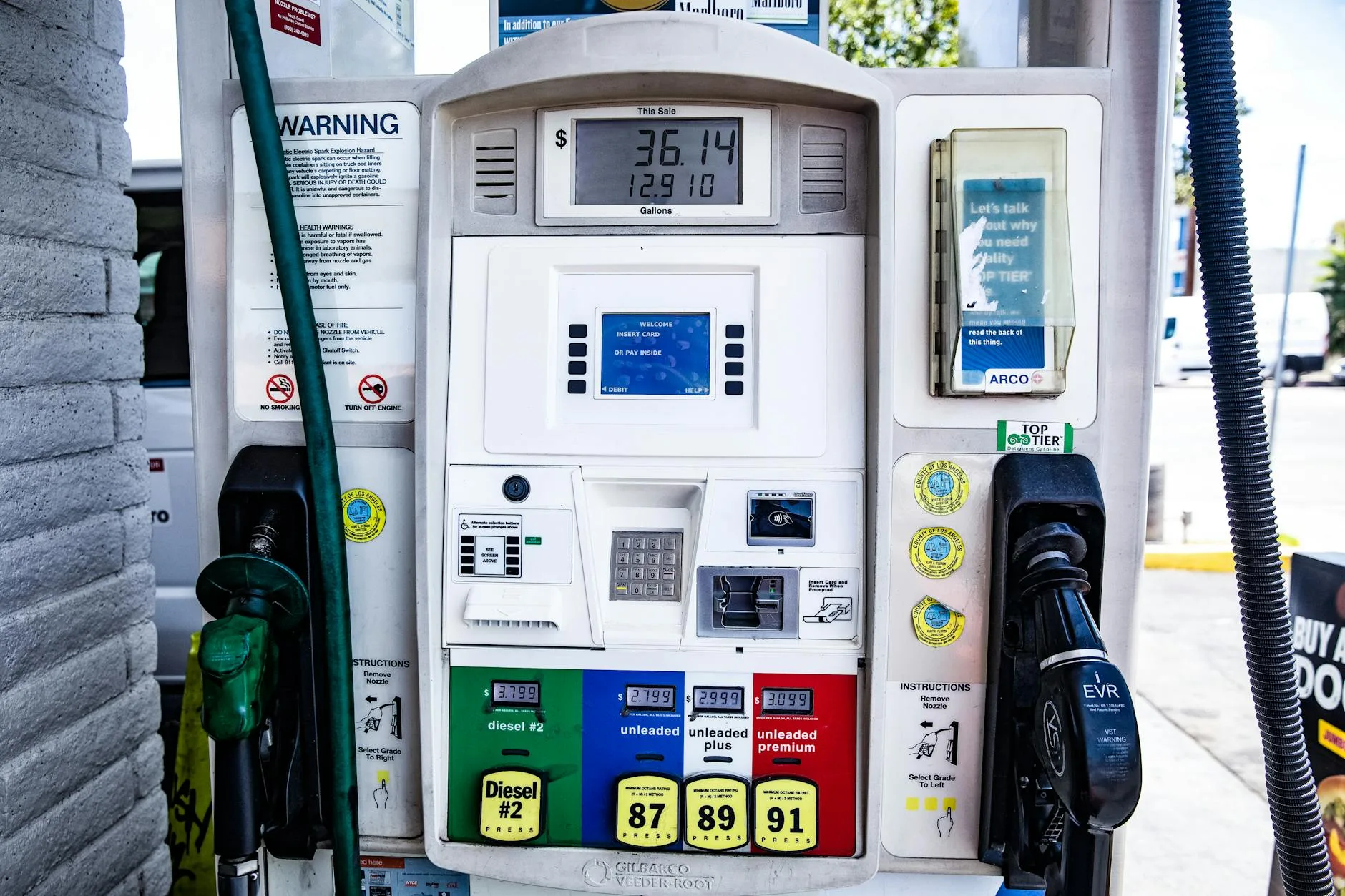
Indraprastha Gas Limited (IGL) increased Compressed Natural Gas (CNG) prices in Delhi-NCR by Re 1 per kilogram on Sunday, marking the second consecutive price hike within 48 hours. This adjustment brings the retail cost of CNG in Delhi to Rs 80.09 per kg, while rates in Noida and Ghaziabad have risen to Rs 88.70 per kg, driven by escalating tensions in the Middle East and the closure of the Strait of Hormuz.
Context: Global Energy Markets Under Pressure
The recent price volatility is directly tied to the prolonged closure of the Strait of Hormuz, a critical maritime corridor that facilitates approximately 20% of global oil and gas trade. The resulting supply chain disruptions have triggered a sharp rise in global crude oil prices, which have surged from roughly $70 per barrel to over $100 per barrel in recent weeks.
Detailed Impact on Fuel Economics
The latest hike follows a Rs 2 per kg increase implemented by IGL on May 15, pushing Delhi’s CNG rates past the Rs 80-mark for the first time. IGL officials stated that the revision is necessary to offset rising input gas costs and the significant appreciation of the US dollar against the rupee.
Despite the upward trend, IGL maintains that CNG remains a cost-effective alternative for commuters. The company estimates that CNG vehicles still offer up to 45% in savings on running costs compared to vehicles operating on petrol or diesel. Currently, petrol in Delhi retails at Rs 97.77 per litre, while diesel is priced at Rs 90.67 per litre.
Industry and Economic Implications
The consistent rise in fuel costs is expected to exert inflationary pressure on transportation and logistics sectors across the National Capital Region. While CNG and fuel prices have seen upward revisions, domestic Piped Natural Gas (PNG) prices remain stable at levels implemented on April 1, 2026.
Government data suggests that India has managed to keep domestic fuel price increases relatively moderate compared to global trends. While many nations have experienced fuel price hikes ranging from 20% to 100%, India has seen increases of approximately 3.2% for petrol and 3.4% for diesel. Analysts are now closely watching the Strait of Hormuz situation, as any further escalation could force additional adjustments to domestic energy pricing strategies to mitigate the impact of global supply shocks.