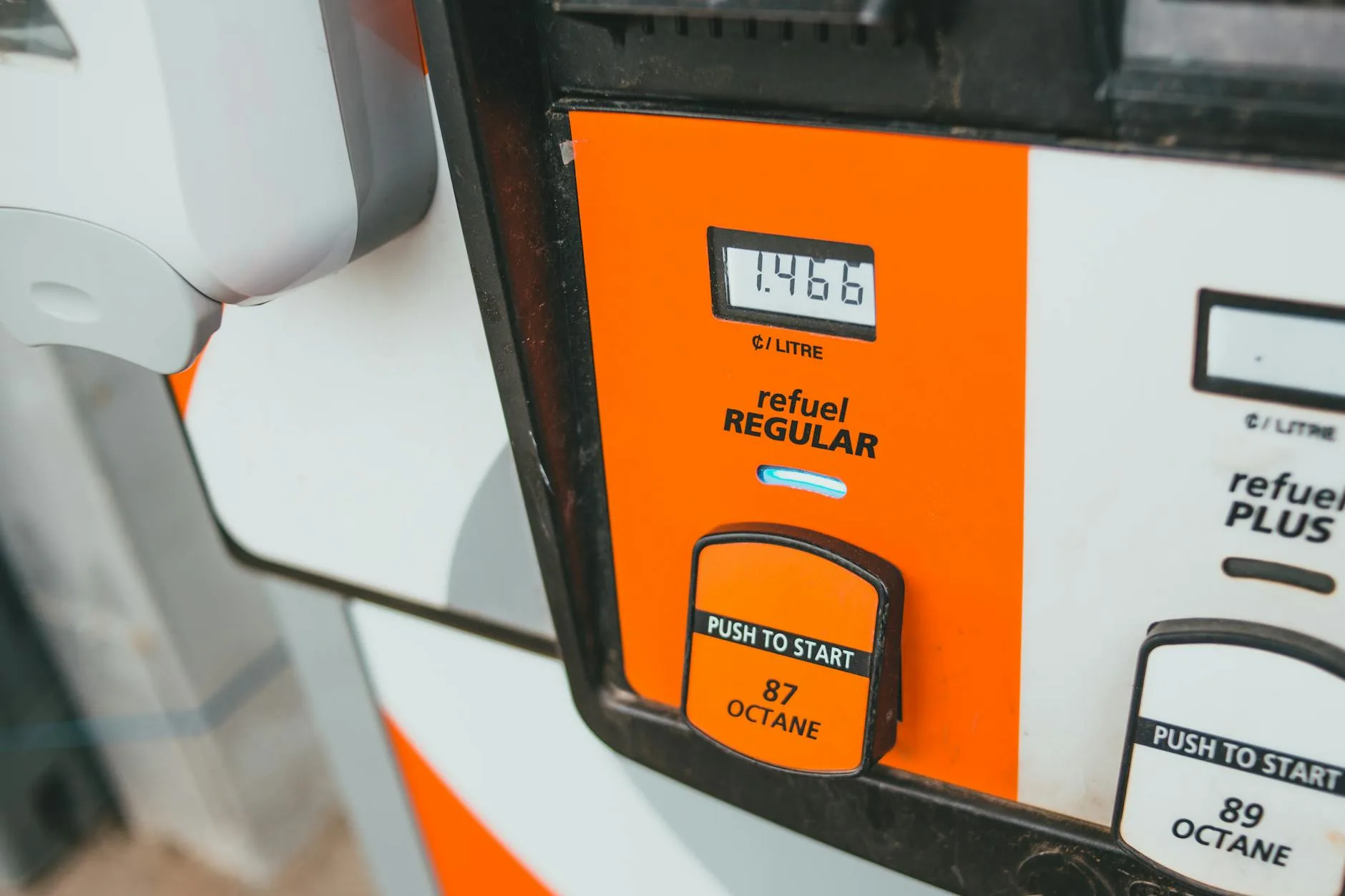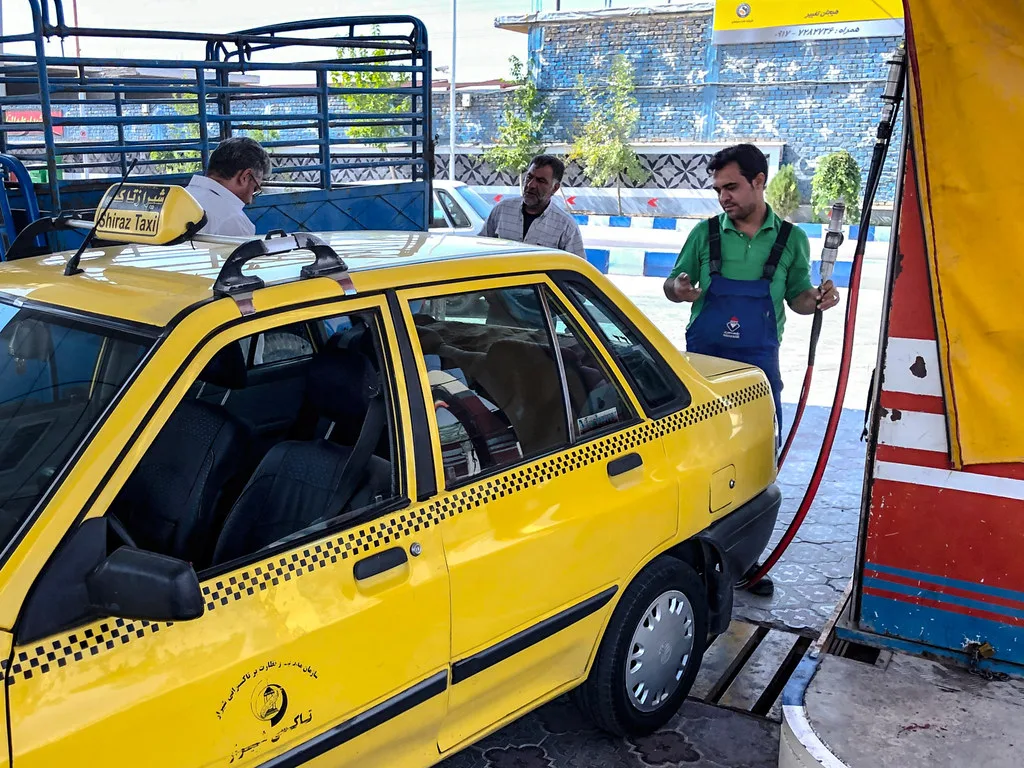






Indraprastha Gas Limited (IGL) has increased Compressed Natural Gas (CNG) prices in the Delhi-NCR region by Re 1 per kg, marking the second price hike in just 48 hours. This adjustment, which took effect on May 17, 2026, pushes the cost of CNG in Delhi past the Rs 80-mark for the first time, reaching Rs 80.09 per kg, while rates in Noida and Ghaziabad have climbed to Rs 88.70 per kg.
Global Conflict Disrupts Energy Supply Chains
The sudden escalation in fuel costs is directly linked to intensifying geopolitical tensions in the Middle East. The ongoing closure of the Strait of Hormuz—a vital maritime corridor responsible for transporting nearly 20% of the world’s oil and gas—has triggered widespread instability in global energy markets.
Global crude oil prices have surged from approximately $70 per barrel prior to the conflict to current levels exceeding $100 per barrel. This supply-side constraint has created significant upward pressure on the landed cost of gas for Indian distributors, forcing domestic price adjustments.
IGL Rationale and Market Impact
IGL officials stated that the price revision was necessary to marginally offset the increased input gas costs combined with the rapid appreciation of the US Dollar against the Rupee. Despite the consecutive hikes, the company maintains that CNG remains a cost-effective alternative, offering up to 45% savings in running costs compared to vehicles powered by traditional petrol or diesel.
While CNG, petrol, and diesel prices have seen upward movement, domestic Piped Natural Gas (PNG) prices remain stable at levels implemented on April 1, 2026. However, the ripple effect of rising fuel costs is expected to exert pressure on transportation and logistics sectors, potentially influencing the price of essential goods in the capital region.
Comparative Economic Resilience
Data from government agencies suggests that India has navigated the global energy crisis with relative moderation. While international markets have seen fuel price hikes ranging from 20% to 100%, India has recorded relatively minor increases of 3.2% for petrol and 3.4% for diesel during the same period.
Analysts are now closely monitoring the situation in the Strait of Hormuz, as any prolonged blockade could necessitate further domestic price interventions. Consumers and businesses should anticipate continued volatility in the energy sector as long as the regional conflict persists and global crude supply remains constrained.