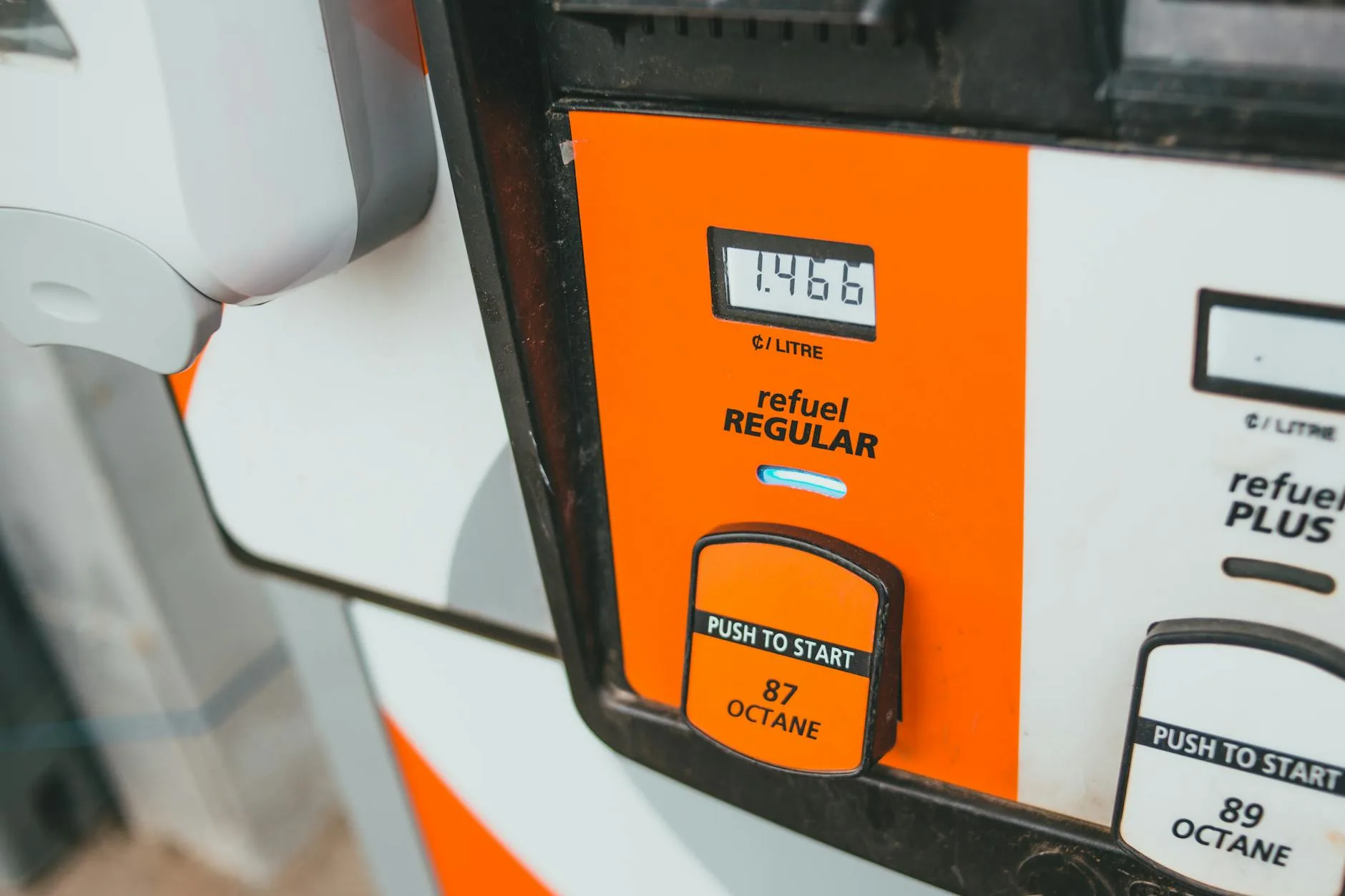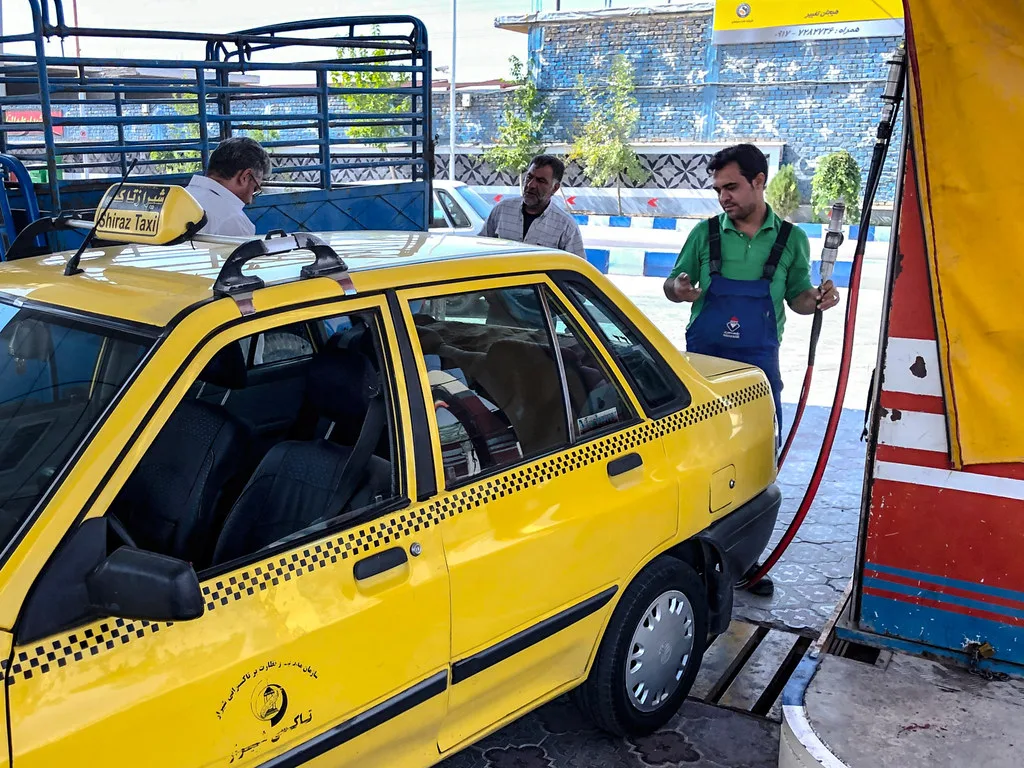






Compressed Natural Gas (CNG) prices in the Delhi-National Capital Region (NCR) have increased by ₹1 per standard cubic meter (scm) effective immediately, marking the second price hike in just 48 hours. The adjustment brings current retail rates to ₹80.09 per kilogram in Delhi and ₹88.70 per kilogram in Noida and Ghaziabad, reflecting ongoing volatility in the global energy market.
Contextualizing the Global Energy Standoff
The recent price adjustments are largely attributed to the persistent stalemate in the Persian Gulf, which has disrupted regional energy supply chains and increased procurement costs for natural gas distributors. Despite these external pressures, domestic prices remain relatively insulated compared to the actual market value of gas sourced from high-cost, deep-water wells.
Government allocation policies have historically acted as a buffer, prioritizing domestic supply for the transport and residential sectors. However, recent reductions in these allocations have forced gas companies to source a larger portion of their inventory from the international market, where rates have surged due to geopolitical instability.
Market Dynamics and Supply Chain Pressures
The decision to raise prices follows a trend of incremental adjustments aimed at passing on a fraction of the rising input costs to consumers. Industry analysts note that while the ₹1 hike is significant for daily commuters, it does not fully account for the total cost escalation currently being absorbed by retailers.
Data from local distribution networks indicates that the current pricing strategy is designed to balance the fiscal health of utility providers with the demand for affordable clean fuel. By keeping the hikes moderate, companies are attempting to prevent a mass migration of consumers back to traditional, more polluting fossil fuels like petrol or diesel.
Expert Perspectives on Industry Sustainability
Energy economists suggest that the current pricing model is sustainable only if global supply chains stabilize in the coming quarter. Dr. Amit Sharma, an independent energy market analyst, notes that the reliance on imported gas is at an all-time high, creating a vulnerability that domestic policy alone cannot fix.
“The industry is caught between mandatory supply allocations and the reality of global energy prices,” says Sharma. “When the government reduces the allocation of cheaper domestic gas, retailers are essentially forced to blend in expensive imported alternatives, leaving them little room to avoid price hikes for the end consumer.”
Implications for the Transport Sector
The rising cost of CNG presents a tangible challenge for the burgeoning population of CNG-powered vehicle owners in the NCR. For many, the conversion to CNG was an economic decision based on the significant price gap between gas and liquid fuels; that margin is now narrowing, potentially altering the long-term adoption rates of clean-fuel vehicles.
Logistics firms and public transport operators, who rely heavily on CNG to manage operational costs, are closely monitoring the situation. Any further spikes in fuel costs will likely necessitate a review of public transit fares and delivery service charges, creating a ripple effect across the local economy.
Moving forward, stakeholders are watching for potential government interventions to increase domestic gas allocations or provide subsidies to stabilize the market. Observers should watch for forthcoming announcements from the Ministry of Petroleum and Natural Gas, as any shift in allocation policy will be the primary indicator of whether these price hikes will stabilize or continue their upward trajectory in the coming months.