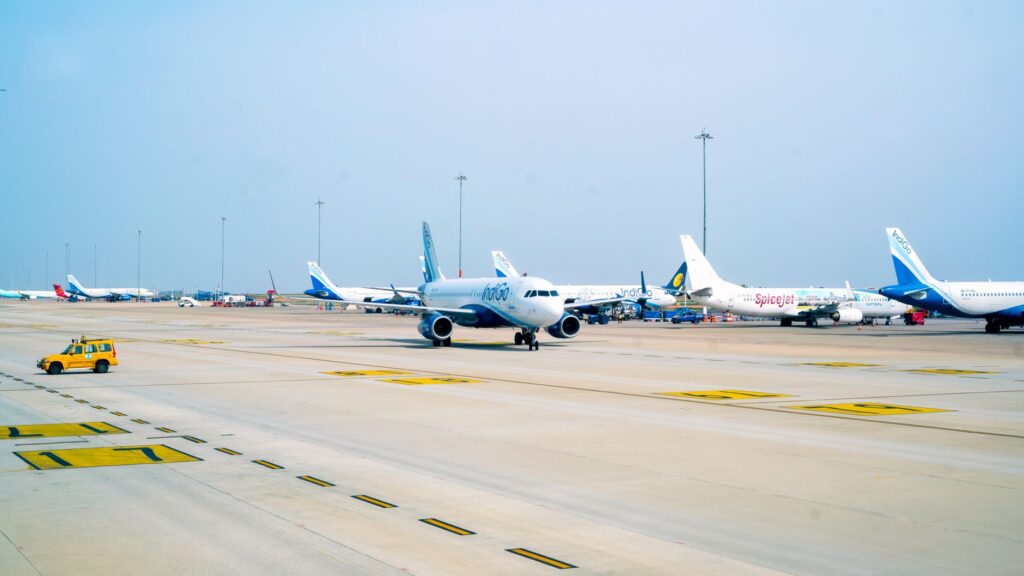

IndiGo, India’s largest airline by market share, has officially signaled its intent to transform from a domestic powerhouse into a major global contender. The low-cost carrier is preparing to launch an aggressive international expansion strategy that positions India as a central hub for global travel, according to statements from the airline’s leadership.
Chief Executive Officer Pieter Elbers recently described the Indian market as the airline’s “fort,” emphasizing that the company will use its dominant domestic position to fuel growth across borders. This strategic pivot comes as the airline seeks to capture a larger share of the burgeoning international travel market originating from the Indian subcontinent.
Establishing the ‘Fort’ Strategy
The concept of India as a “fort” implies a defensive and offensive business strategy. By maintaining its massive domestic network, IndiGo provides a steady stream of passengers that can be funneled into international routes departing from major Indian cities like Delhi, Mumbai, and Bengaluru.
Official data shows that IndiGo currently commands over 60% of India’s domestic aviation market. This scale allows the airline to offer unparalleled connectivity to small and medium-sized Indian cities, which now serve as feeder points for its expanding international network.
According to industry analysts, this hub-and-spoke model mirrors the strategies used by major Middle Eastern carriers, but with a unique focus on the massive and growing Indian middle class. The airline aims to offer seamless transit for travelers moving between regional Indian airports and global destinations in Europe, Asia, and Africa.
Fleet Expansion and Technological Leap
To support its global ambitions, IndiGo has embarked on one of the most significant fleet expansion programs in aviation history. The airline’s order book includes hundreds of Airbus A320neo family aircraft, which are known for their fuel efficiency and reliability on short-to-medium-haul routes.
However, the real game-changer for IndiGo’s international reach is the upcoming delivery of the Airbus A321XLR. This narrow-body aircraft possesses the range to connect Indian cities directly to destinations deep into Europe and East Asia, bypassing the need for traditional stops.
Furthermore, the airline recently made headlines by placing an order for 30 Airbus A350-900 wide-body aircraft. This move marks a historic shift for the carrier, as it transitions from a purely narrow-body operator to one capable of competing on long-haul routes to North America and Australia.
Strategic Partnerships and Codeshares
IndiGo is not navigating the global landscape alone. The airline has aggressively pursued codeshare agreements with several of the world’s leading carriers, including Turkish Airlines, Qantas, Virgin Atlantic, and United Airlines.
These partnerships allow IndiGo to sell tickets to destinations it does not yet fly to with its own aircraft. Conversely, international travelers can book flights on partner airlines that connect directly into IndiGo’s vast domestic grid, making India a more accessible destination for global tourism and business.
According to reports, these alliances have already significantly increased the airline’s international footprint. By leveraging the networks of established global players, IndiGo is building brand recognition in foreign markets long before its own wide-body fleet takes to the skies.
Impact on the Aviation Industry and Economy
The expansion of IndiGo is expected to have a profound impact on the competitive landscape of the Indian aviation industry. As the airline moves into long-haul territory, it will come into direct competition with Air India, which is currently undergoing its own massive transformation under the Tata Group.
For consumers, this competition is likely to result in more direct flight options and potentially more competitive pricing. Economic experts suggest that a stronger Indian international carrier will help retain a larger portion of the aviation revenue that currently flows to foreign airlines operating in the region.
Furthermore, the growth of international hubs within India supports the government’s “Viksit Bharat” vision. Increased international traffic necessitates investments in airport infrastructure, creates high-skill jobs in aviation maintenance, and boosts the hospitality sector through increased transit tourism.
What to Watch Next
The next 24 months will be critical for IndiGo as it prepares for the arrival of its long-range aircraft. Observers are closely watching for the announcement of new direct routes to Western Europe and the possible introduction of a premium service tier to cater to long-haul travelers.
The airline has already introduced “IndiGo Stretch,” a new business class product on select domestic routes. This is widely seen as a pilot program to test the demand for premium services before the airline enters the highly competitive international long-haul market.
As IndiGo fortifies its domestic base and stretches its wings abroad, the global aviation industry is paying close attention. The success of this strategy could redefine India’s role in the global transport network, turning the country into a primary gateway for international travel in the 21st century.
Disclaimer: This article is published for general news and informational purposes only. While every effort has been made to ensure accuracy, readers are advised to verify important information from official sources. The publisher shall not be responsible for any loss or inconvenience arising from reliance on the information published.