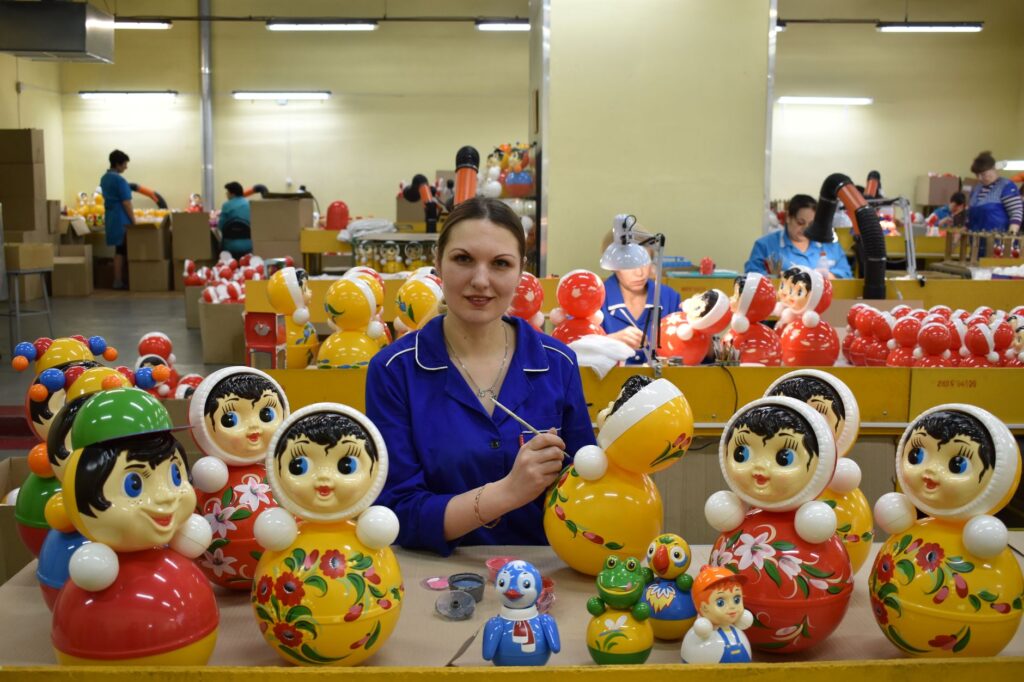

The Indian government has officially constituted a high-level task force to transform the nation’s toy manufacturing ecosystem and expand its international presence. According to official sources, the strategic initiative aims to help India secure a 5 percent share of the global toy market by the year 2032.
The decision comes as part of a broader strategy to position India as a major global hub for toy design, production, and exports. By establishing this dedicated body, the government seeks to streamline policy interventions, foster innovation, and address supply chain bottlenecks currently facing domestic manufacturers.
Background and Context
Historically, India relied heavily on foreign suppliers to satisfy its domestic demand for toys, with imported products accounting for nearly 80 percent of the market until recent years. Most of these imports originated from foreign manufacturing hubs, leaving domestic producers struggling to compete on price and scale.
To reverse this trend, the central government implemented a series of strategic policy measures over the past five years. Key interventions included raising basic customs duties on imported toys and introducing mandatory Quality Control Orders enforced by the Bureau of Indian Standards.
These regulatory shifts led to a significant drop in low-quality imports while encouraging domestic capacity building. According to official data, toy exports from India witnessed substantial growth between 2018 and 2023, while imports dropped dramatically during the same period.
Latest Developments and Key Facts
The newly established task force brings together key representatives from various government departments, industry associations, design institutions, and export promotion councils. The committee will focus on creating a comprehensive roadmap to enhance global competitiveness and drive export growth over the next decade.
Primary focus areas for the task force include scaling up manufacturing capabilities, integrating modern technology, and promoting sustainable, eco-friendly materials. Special emphasis will also be placed on protecting intellectual property rights for original Indian designs and traditional handicraft toys.
Furthermore, the government plans to support the expansion of dedicated toy manufacturing clusters across various states. These clusters aim to provide shared infrastructure, advanced testing facilities, and specialized training programs to local manufacturers and micro, small, and medium enterprises.
Impact on Industry and Economy
The target to secure 5 percent of the global toy trade is expected to yield widespread economic benefits across India’s industrial landscape. The global toy market presents a massive export opportunity for domestic businesses looking to integrate into international supply chains.
Expansion in this sector is set to generate substantial employment opportunities, particularly in rural and semi-urban regions where traditional toy clusters operate. Industry analysts note that toy manufacturing is labor-intensive, offering significant employment prospects for women, who constitute a large portion of the craft workforce.
Additionally, promoting traditional Indian craft toys helps preserve cultural heritage while providing sustainable livelihoods to thousands of artisans. The integration of modern safety standards with traditional craftsmanship is expected to enhance their appeal in premium international markets.
What to Watch Next
In the coming months, the task force is scheduled to submit a detailed actionable framework outlining policy recommendations and strategic incentives. Industry stakeholders are closely monitoring whether the government will extend additional financial support mechanisms to the sector.
Bilateral trade agreements and international trade fairs will also play a crucial role as India seeks to expand its footprint in major markets such as North America, Europe, and the Middle East. Observers will track export figures and private investment inflows into domestic manufacturing hubs as these national strategies take full effect.
Disclaimer: This article is published for general news and informational purposes only. While every effort has been made to ensure accuracy, readers are advised to verify important information from official sources. The publisher shall not be responsible for any loss or inconvenience arising from reliance on the information published.