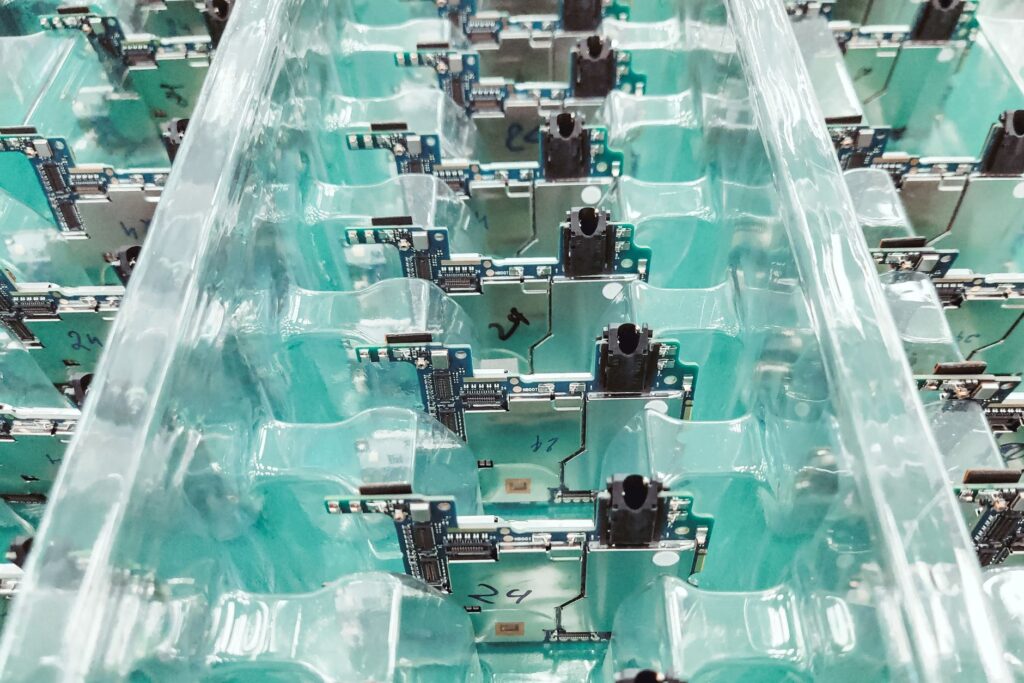

India is currently positioned at a pivotal juncture in the global technology landscape, with the potential to transform into a primary hub for semiconductor and electronics manufacturing. According to Nakul Duggal, Qualcomm’s Group General Manager of Automotive, Industrial and Cloud, the nation is benefiting from a unique convergence of shifting global supply chains and a surge in domestic consumption.
Speaking in a recent interview with CNBC-TV18, Duggal described the current environment as a “fantastic time” for India to accelerate its investments in the semiconductor sector. This optimism reflects a broader international trend where major technology corporations are seeking to diversify their production bases beyond traditional hubs.
The Strategic Shift in Global Supply Chains
For decades, the semiconductor industry has been concentrated in a few specific regions, primarily in East Asia. However, recent geopolitical tensions and pandemic-induced disruptions have forced a reevaluation of this concentrated model.
Global manufacturers are increasingly adopting “China Plus One” strategies to ensure supply chain resilience. India has emerged as a frontrunner in this diversification effort due to its favorable demographic profile and improving industrial infrastructure.
Official data shows that the Indian government has actively courted these international players through the India Semiconductor Mission (ISM). This $10 billion incentive package aims to provide financial support to companies establishing silicon fab units, display labs, and compound semiconductor facilities within the country.
Domestic Demand as a Catalyst for Growth
While global supply chain shifts provide the external push, India’s internal market provides a powerful pull. The country is one of the world’s fastest-growing consumers of electronic goods, ranging from smartphones and laptops to electric vehicles and industrial machinery.
Qualcomm’s Duggal emphasized that the acceleration of domestic demand makes the case for local manufacturing even more compelling. By producing chips and electronic components locally, companies can reduce logistics costs and respond more quickly to the needs of the Indian consumer base.
Industry reports suggest that India’s semiconductor market is expected to reach a value of approximately $64 billion by 2026. This growth is driven largely by the massive adoption of 5G technology and the expansion of the digital economy.
Key Developments and Recent Investments
The vision of India as a semiconductor hub is already moving from theoretical planning to practical implementation. Several high-profile projects have been greenlit by the Union Cabinet over the past year.
For instance, the Tata Group has partnered with Taiwan’s Powerchip Semiconductor Manufacturing Corporation (PSMC) to establish a major fabrication plant in Gujarat. Additionally, US-based Micron Technology has commenced construction on a $2.75 billion semiconductor testing and packaging facility in the same state.
These developments signify a move up the value chain for India, transitioning from software services and assembly to high-tech manufacturing and design. According to official sources, these projects are expected to create thousands of highly skilled jobs and foster a local ecosystem of component suppliers.
Economic and Industrial Impact
The establishment of a robust semiconductor ecosystem is expected to have a multiplier effect on the Indian economy. Beyond the direct investment, it strengthens the country’s strategic autonomy in a world where silicon has become as vital as oil.
A domestic chip industry reduces India’s reliance on expensive imports, which currently account for a significant portion of the country’s trade deficit. By securing its own supply of microchips, India can better protect its automotive and telecommunications sectors from global shortages.
Furthermore, the growth of electronics manufacturing is likely to spur innovation in related fields such as artificial intelligence, robotics, and renewable energy. This creates a virtuous cycle of technological advancement and economic stability.
Challenges and the Path Forward
Despite the current momentum, significant hurdles remain for India to overcome. Semiconductor manufacturing is an incredibly capital-intensive and water-intensive process that requires a highly stable power supply and specialized logistics.
Critics and industry experts point out that building a talent pipeline is equally crucial. While India produces hundreds of thousands of engineers annually, the specific skill sets required for sub-nanometer chip fabrication are currently in short supply globally.
The government is addressing this through educational partnerships and research grants. However, maintaining the pace of infrastructure development will be essential to keep international investors committed to the region over the long term.
What to Watch Next
Observers should monitor the progress of the first wave of fabrication plants as they move toward operational status. The successful production of the first “Made in India” chips will be a landmark moment for the nation’s industrial history.
Future policy announcements regarding the second phase of the India Semiconductor Mission will also be critical. These are expected to offer even more tailored incentives for specialized manufacturing processes and design-led growth.
As Qualcomm and other global leaders continue to signal their confidence, India’s journey toward becoming a semiconductor superpower remains one of the most significant economic narratives of the decade.
Disclaimer: This article is published for general news and informational purposes only. While every effort has been made to ensure accuracy, readers are advised to verify important information from official sources. The publisher shall not be responsible for any loss or inconvenience arising from reliance on the information published.