
Rivian Automotive has announced a strategic revision of its long-term capital expenditure plans and a tightening of its financial projections for the current fiscal year. The California-based electric vehicle manufacturer disclosed these updates during its second-quarter earnings report, signaling a heightened focus on fiscal discipline and operational efficiency as it navigates a volatile automotive market.
According to official company data, the automaker has significantly reduced its planned spending for 2026 as it prepares for the next phase of its production cycle. This move comes as the company seeks to bridge the gap toward profitability amid a challenging landscape for the global electric vehicle (EV) market, characterized by fluctuating demand and increased competition.
Strategic Financial Realignment
The decision to scale back 2026 spending reflects a broader trend among EV startups to conserve cash and optimize existing assets. Rivian indicated that these reductions are part of a concerted effort to streamline operations and maximize the output of its current manufacturing facilities in Normal, Illinois.
By narrowing its forecast losses for the current year, Rivian is signaling to investors that its cost-cutting measures are yielding tangible results. The company now expects its adjusted earnings before interest, taxes, depreciation, and amortization (EBITDA) to fall within a more specific, improved range than previously anticipated by analysts.
Industry experts suggest that this refined guidance demonstrates management’s growing confidence in their ability to control overhead and manufacturing costs. The focus remains squarely on achieving a positive gross margin, which is considered a critical milestone for the company’s long-term financial viability.
Q2 Performance and Operational Milestones
During the second quarter, Rivian continued to navigate the complexities of scaling production while managing global supply chain constraints. The company’s latest financial statements show a disciplined approach to capital allocation, prioritizing projects that offer the most immediate return on investment and long-term brand value.
Official reports highlight that the company has made significant strides in reducing the “cost per unit” of its R1T pickup and R1S SUV models. These improvements are largely attributed to hardware design changes, simplified electrical architectures, and more favorable negotiations with component suppliers.
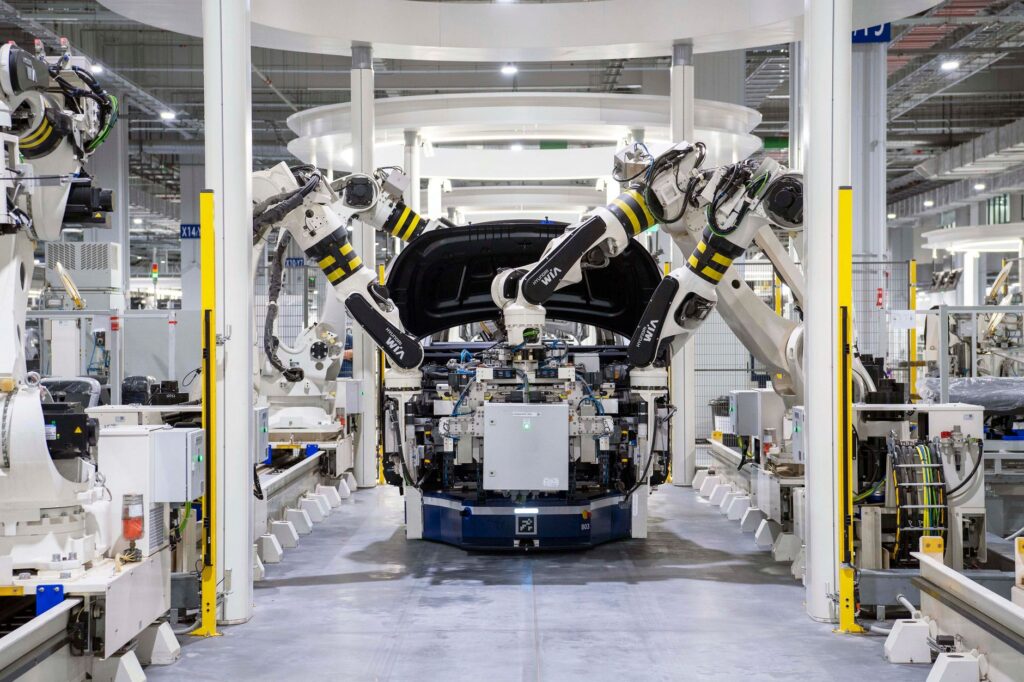
Furthermore, the company’s recent retooling of its manufacturing plant has begun to pay dividends. The upgrades were specifically designed to increase production rates and introduce new technologies that simplify the assembly process, thereby reducing the labor hours required for each vehicle.
Market Context and Competitive Landscape
The EV sector has faced a cooling of consumer demand in recent months, leading many manufacturers to reconsider their aggressive expansion plans. Rivian’s move to lower its 2026 capital expenditure is seen by many as a pragmatic response to these shifting market dynamics.
Despite these headwinds, Rivian maintains a strong position in the premium EV segment. Its vehicles continue to receive high marks for performance and design, helping the brand maintain a loyal customer base even as legacy automakers launch competing electric trucks and SUVs.
The company is also benefiting from strategic partnerships that provide both capital and technological synergy. Recent collaborations have allowed Rivian to share certain development costs, further supporting its goal of reducing overall expenditures without compromising on product quality.
Impact on the Industry and Economy
Rivian’s updated financial strategy has significant implications for the broader automotive industry. As a high-profile competitor to established manufacturers and other EV startups, Rivian’s shift toward austerity and efficiency may serve as a blueprint for others in the sector.
The reduction in future spending suggests a more cautious approach to geographic expansion and new facility construction. While the company remains committed to its growth targets, it is increasingly focusing on the successful launch of its mid-sized R2 platform, which is seen as vital for capturing a larger mass-market share.
For the economy, Rivian’s stability is a key indicator of the health of the American electric vehicle manufacturing base. Continued investment in domestic production facilities supports thousands of specialized jobs and fosters innovation in battery technology, software integration, and sustainable manufacturing practices.
What to Watch Next
Market observers are now closely watching how Rivian manages the transition to its next generation of vehicles. The R2 platform, scheduled for production in the coming years, represents the company’s primary vehicle for reaching a broader demographic of consumers and achieving significant scale.
The revised 2026 spending plan likely accounts for a more efficient rollout of the R2, utilizing existing infrastructure to minimize the need for massive new capital injections. This strategy could potentially shorten the timeline to reaching a break-even point and eventual profitability.
Investors will also be monitoring the company’s cash burn rate in the coming quarters. With a narrowed earnings guidance, the pressure is on Rivian to meet its production targets while maintaining the high quality and brand prestige it has established in the luxury electric vehicle segment.
As the competitive environment intensifies, Rivian’s ability to balance innovation with financial sustainability will determine its place in the future of transportation. The company’s recent adjustments suggest a maturation process as it transitions from a high-growth startup to a more established and operationally efficient automotive player.
Disclaimer: This article is published for general news and informational purposes only. While every effort has been made to ensure accuracy, readers are advised to verify important information from official sources. The publisher shall not be responsible for any loss or inconvenience arising from reliance on the information published.