





Starting May 14, 2026, Indian households began paying an additional Rs 2 per litre for milk, as industry leaders Amul and Mother Dairy announced price hikes driven by a complex chain of global events. This increase, occurring thousands of kilometers away from the ongoing US-Iran conflict, highlights how India’s reliance on imported crude oil creates a direct transmission mechanism for global geopolitical instability to reach domestic kitchen tables.
The Anatomy of Economic Interdependence
India currently imports approximately 85% of its crude oil requirements, making the nation’s economy uniquely vulnerable to volatility in West Asia. As the world’s largest milk producer, contributing 22% of global supply, India’s dairy sector is not an isolated agricultural industry but a massive logistics operation that depends heavily on fossil fuels. With annual production reaching 239.3 million tonnes, the infrastructure required to move, process, and package this output is intrinsically linked to energy costs.
From Crude Oil to Dairy Shelves
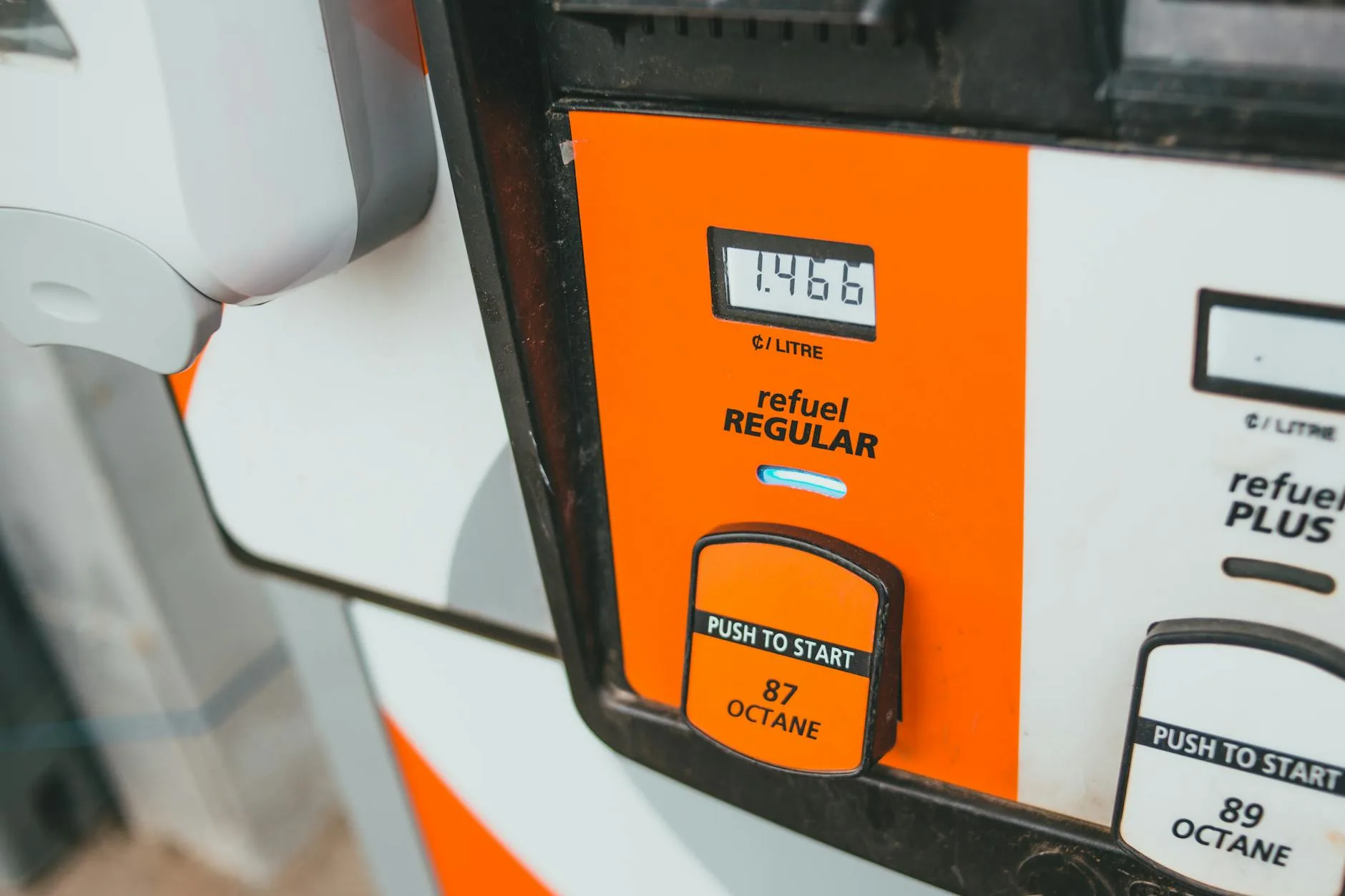
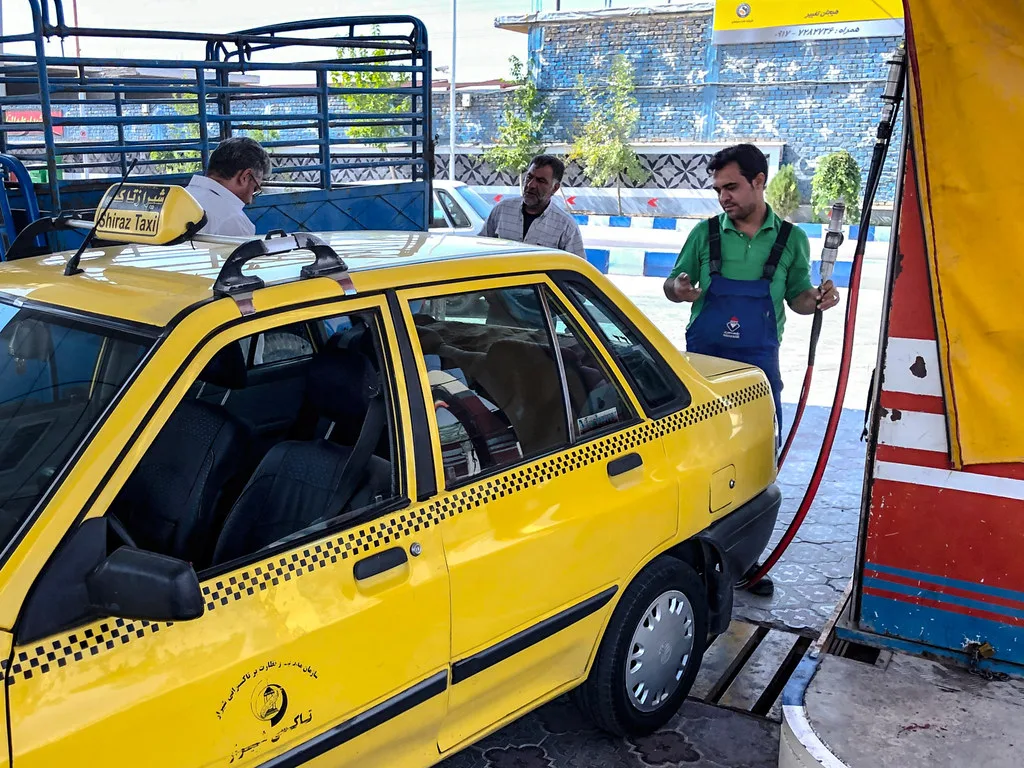
The connection between a barrel of oil and a litre of milk is forged through several critical operational touchpoints. Diesel price surges directly inflate the costs of the vast tanker fleets responsible for daily milk collection from rural farmers. Beyond logistics, refrigeration and chilling plants—essential for maintaining the quality of perishable dairy products—suffer from increased electricity and fuel costs. Furthermore, the plastic packaging used for milk pouches is a petroleum-based product, meaning that any rise in crude oil prices immediately elevates the cost of materials used in every retail unit.
Expert Insights on Second-Round Inflation
Economists classify this phenomenon as