




Market Stagnation Amid Geopolitical Tension
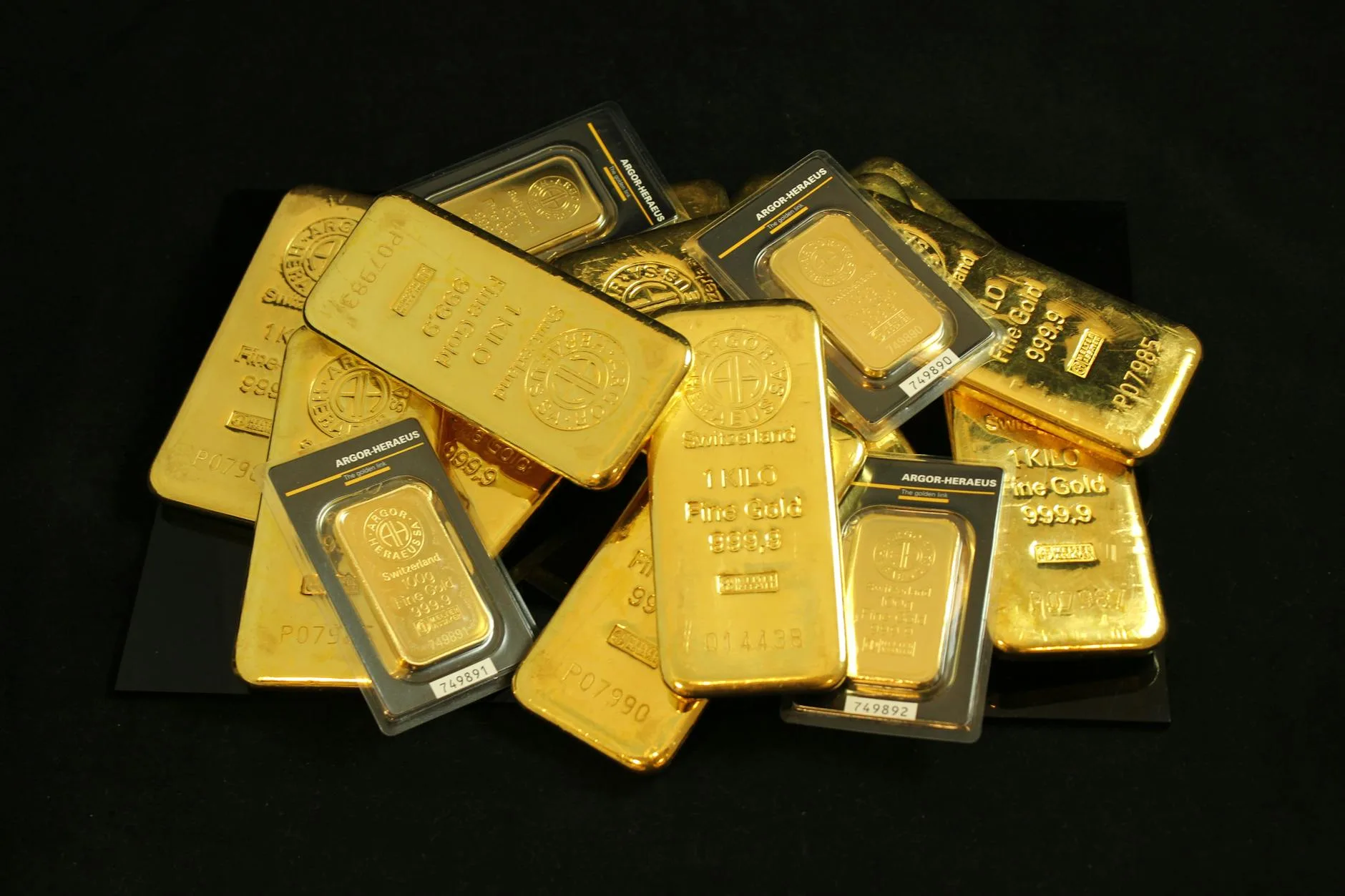
Gold prices remained suppressed in global markets this week as the ongoing closure of the Strait of Hormuz continues to restrict energy flows, triggering a sharp decline in bond markets and heightening investor fears regarding persistent inflation. The precious metal, typically viewed as a safe-haven asset, struggled to gain momentum as investors weighed the impacts of supply chain bottlenecks against rising interest rate expectations.
The Context of the Strait of Hormuz
The Strait of Hormuz serves as one of the world’s most critical maritime chokepoints, through which approximately 20% of the world’s total oil consumption passes daily. Any disruption to this transit route creates immediate upward pressure on energy prices, which directly influences global Consumer Price Index (CPI) readings. When energy costs spike, the resulting inflationary environment forces central banks to maintain or elevate interest rates, a scenario that historically creates a headwind for non-yielding assets like gold.
Bond Market Volatility and Investor Sentiment
The reaction in the bond market has been particularly pronounced, with yields surging as traders price in a prolonged period of high inflation. Higher yields reduce the appeal of holding gold, which offers no dividend or interest payment. Analysts note that while gold often benefits from geopolitical uncertainty, the current dynamic is dominated by the correlation between energy-driven inflation and the tightening of monetary policy.
Expert Perspectives on Market Dynamics
Market strategists suggest that the current price action reflects a complex tug-of-war between safe-haven demand and the reality of a higher-for-longer interest rate environment. According to recent data from the World Gold Council, institutional investors are carefully monitoring inflation metrics, noting that any sign of the price surge becoming structural could trigger a shift in capital allocation. Financial analysts emphasize that the volatility in the Strait of Hormuz is acting as a multiplier for existing macro-economic anxieties rather than a standalone catalyst for a gold rally.
Implications for the Global Economy
For the average investor, the current impasse suggests that short-term market volatility is likely to persist until the maritime route is cleared. If the supply chain crisis extends, the impact on manufacturing costs and transportation will likely filter through to retail prices, potentially prompting central banks to adopt a more hawkish stance. Industrial sectors dependent on stable energy pricing are already bracing for a period of margin compression.
Future Market Outlook
Moving forward, market participants should watch closely for diplomatic developments regarding the Strait of Hormuz and upcoming central bank policy meeting minutes. A resolution to the blockade could trigger a swift reversal in bond yields, potentially providing the necessary relief for gold to recover its position as a hedge against systemic risk. Conversely, a prolonged stalemate will keep inflationary expectations elevated, likely keeping gold prices in their current, narrow trading range for the immediate future.