
Investigation Initiated Amid Market Concerns
The Directorate General of Trade Remedies (DGTR) has officially launched an anti-dumping investigation into imports of Cold Rolled Grain Oriented (CRGO) electrical steel and amorphous metal originating from China, Japan, South Korea, and Russia. This move comes in direct response to a formal complaint filed by JSW JFE Electrical Steel Nashik Pvt. Ltd., which alleges that these imports are entering the Indian market at prices below fair value, causing significant material injury to the domestic industry.
Understanding the Role of CRGO Steel
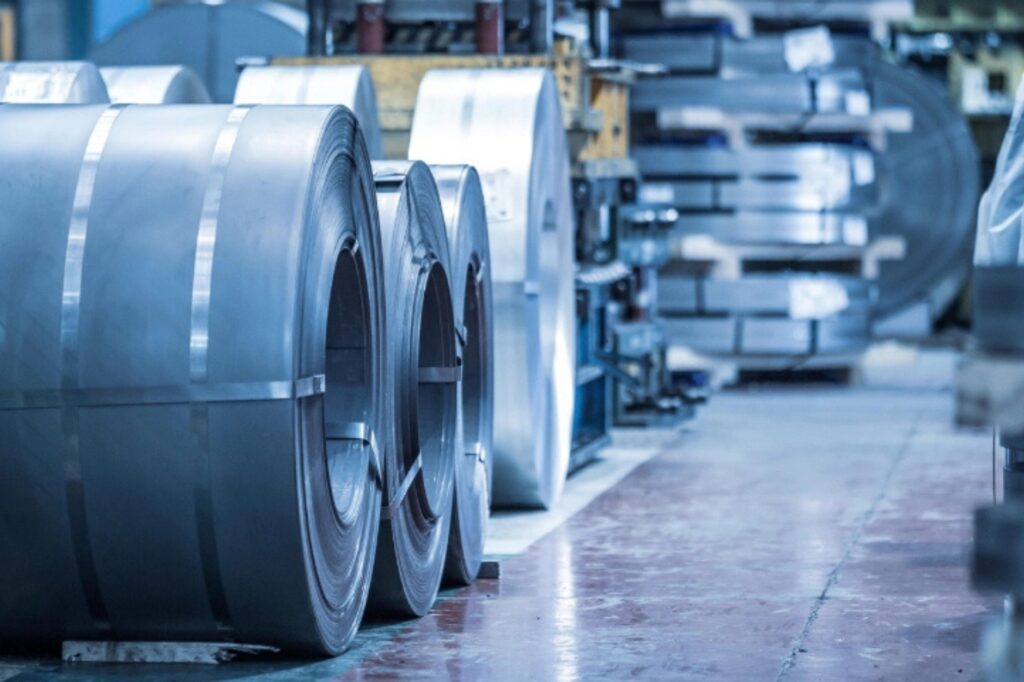
CRGO electrical steel is a critical component in the manufacturing of power transformers, distribution transformers, and high-efficiency motors. As India continues to expand its national power grid and modernize its electrical infrastructure, the demand for high-quality, efficient steel has surged. The material is essential for reducing core losses in transformers, thereby enhancing the overall energy efficiency of the power distribution network.
Arguments from Domestic Producers
The domestic industry contends that the influx of low-priced imports has severely hampered their ability to compete, despite significant investments in local manufacturing capabilities. JSW JFE Electrical Steel, a joint venture between JSW Steel and Japan’s JFE Steel, argues that the current import surge is not merely a result of market dynamics but is driven by predatory pricing strategies. Industry analysts point to a sustained increase in import volumes over the past four quarters as evidence that local producers are losing market share at an unsustainable rate.
Global Trade Dynamics and Expert Analysis
Trade experts note that this investigation is part of a broader trend of protectionist measures within the global steel market. As major economies grapple with industrial overcapacity, countries are increasingly turning to trade remedies to defend domestic production. Data from the Ministry of Steel suggests that while India’s internal capacity is growing, the country remains a net importer of high-grade electrical steel, creating a complex balancing act for regulators who must weigh the needs of domestic steelmakers against the demands of downstream power equipment manufacturers.
Implications for the Power Sector
The potential imposition of anti-dumping duties could have immediate ramifications for the Indian power sector. If the DGTR determines that dumping is occurring and recommends tariffs, the cost of manufacturing transformers could rise significantly. This would likely place upward pressure on the prices of electrical equipment, potentially impacting the budgets of state-owned power distribution companies and private infrastructure developers alike.
Future Outlook and Regulatory Watch
As the investigation proceeds, market participants are closely watching for the DGTR’s preliminary findings, which are expected to outline whether temporary duties will be imposed before the final determination. Stakeholders should monitor upcoming public hearings and the submission of questionnaire responses from foreign exporters, as these will be pivotal in shaping the final policy outcome. The outcome of this probe will signal India’s long-term stance on balancing its ‘Make in India’ industrial ambitions with the realities of its reliance on specialized imported raw materials.