
Strategic Investment in Chicago Sports
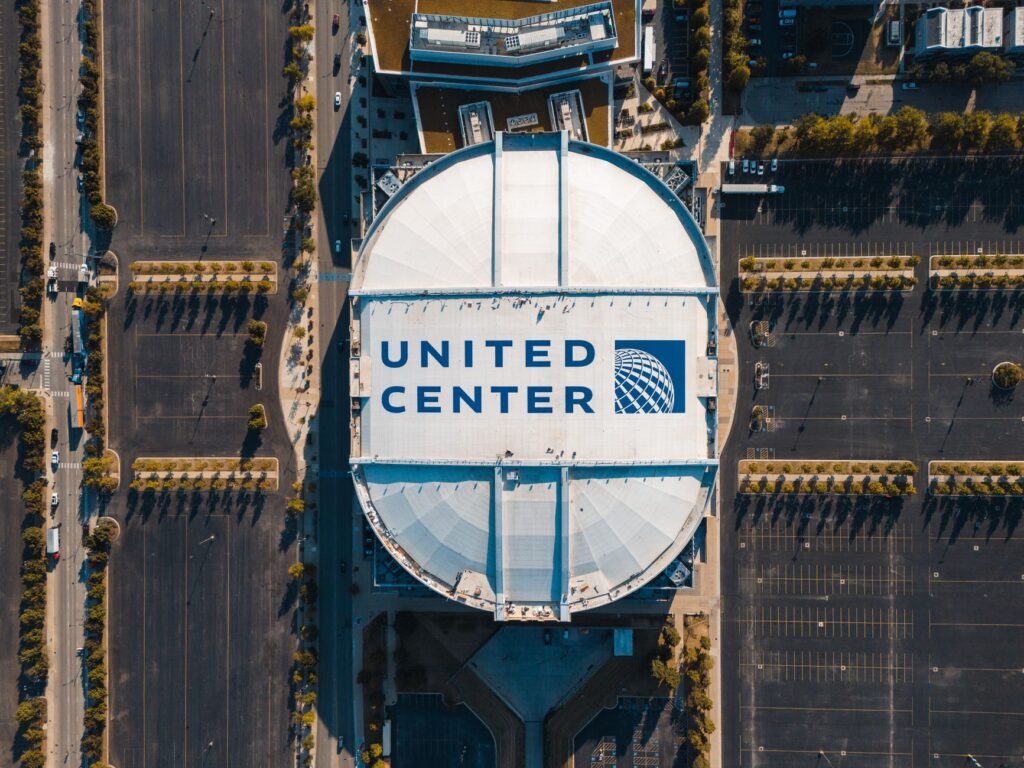
Lukas Walton, the 39-year-old grandson of Walmart founder Sam Walton, has officially acquired a minority stake in the Chicago Bulls and the United Center, the organizations confirmed this week. The transaction, which involves a transfer of ownership shares, integrates the billionaire heir deeper into the Chicago business and sports landscape where he and his wife, Samantha Walton, currently reside.
While financial terms of the deal remain private, the move marks a significant shift in the ownership structure of one of the NBA’s most storied franchises. The United Center, which serves as the home arena for both the Bulls and the NHL’s Chicago Blackhawks, remains a premier venue for live entertainment and professional sports in the Midwest.
The Business of NBA Ownership
Professional sports franchises have seen their valuations skyrocket over the last decade, driven by lucrative media rights deals and the globalization of the game. According to Forbes, the average NBA team is now valued at approximately $4 billion, a figure that has tripled since 2015. Investors are increasingly viewing these teams not just as trophies, but as high-growth assets with diversified revenue streams.
For the Chicago Bulls, maintaining a stable ownership group is critical to navigating the evolving landscape of sports broadcasting and digital fan engagement. The addition of Walton, whose family fortune is tied to the world’s largest retailer, brings a partner with deep financial resources and a long-term investment horizon to the Reinsdorf family-led ownership group.
A Growing Trend in Sports Private Equity
The entry of private wealth into NBA ownership is part of a broader trend of institutional and individual investors seeking stakes in professional sports. The NBA recently updated its rules to allow for passive investment from private equity firms and hedge funds, provided they meet strict criteria regarding capital duration and oversight. This shift has opened the door for high-net-worth individuals to hedge against traditional market volatility by anchoring their portfolios in the scarcity of professional sports teams.
Walton is no stranger to strategic capital allocation. Through his investment firm, Builders Vision, he has focused heavily on sustainable agriculture, food systems, and environmental impact. His move into the sports arena suggests a diversification strategy that balances his philanthropic and impact-focused endeavors with high-profile, blue-chip commercial assets.
Implications for the Bulls and the City
For the Chicago Bulls organization, the arrival of a new partner could signal a period of stability as the franchise looks to modernize its fan experience and arena operations. The United Center, while iconic, faces the constant pressure to upgrade amenities to remain competitive with newer, tech-heavy arenas across the league. A partnership with a major investor could provide the necessary capital to expedite these infrastructure projects.
Furthermore, the presence of a prominent investor based in Chicago strengthens the ties between the team and the local business community. As the NBA continues to explore new revenue models—including international expansion and digital streaming partnerships—having a partner with experience in large-scale logistics and consumer behavior could prove advantageous.
Observers are now watching to see if Walton will take an active role in the team’s front-office strategy or if his investment will remain strictly as a passive equity holding. Industry analysts suggest that the next phase of NBA ownership will prioritize technological integration and fan data analytics, areas where investors with retail backgrounds often provide significant expertise. As the sports industry braces for a potential shift in regional sports network models, the stability provided by long-term partners will be the defining factor in franchise success over the next decade.