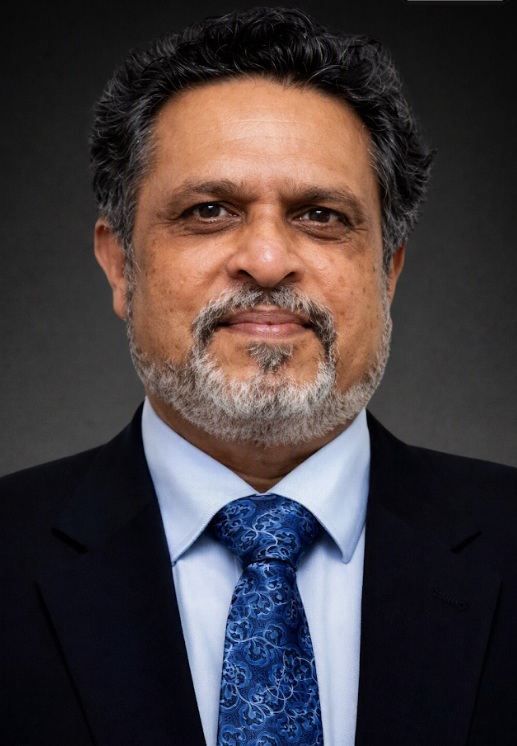

On the occasion of Independence Day, as India celebrates 80 years of Independence, M. V. Satish, President, Construction Federation of India (CFI) and Advisor to the CMD, L&T Ltd., said India’s next phase of infrastructure growth must focus not only on building bigger and faster, but on building better—with quality, safety, integrity and long-term performance at its core.
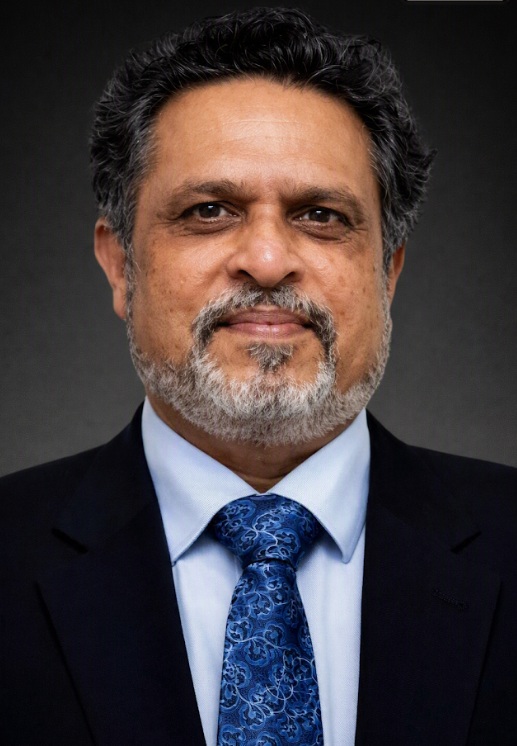 |
M. V. Satish, President, Construction Federation of India (CFI) and Advisor to the CMD, L&T Ltd.
“On this Independence Day, as we proudly celebrate 80 years of India’s Independence, let us honour our remarkable journey and reaffirm our collective commitment to building a safer, stronger and more resilient nation. As we move towards the vision of Viksit Bharat 2047, let us strive to build not just bigger, but better—with quality, integrity, innovation and excellence. Together, let us contribute to a stronger and more prosperous India. Jai Hind!”
Construction Federation of India (CFI) is a national industry body representing India’s construction and infrastructure sector. CFI works to promote professionalism, safety, quality, innovation, technology and sustainable practices, while contributing to a stronger and more efficient infrastructure ecosystem.
India is building infrastructure at a scale few countries can match. Expressways, metros, railway corridors, airports, ports, tunnels and bridges are transforming connectivity and supporting economic growth. Landmark projects such as the Chenab Rail Bridge, Anji Khad Bridge and Atal Setu reflect the capabilities of Indian engineering.
The industry’s next priority is to make quality, safety and long-term performance consistent across the infrastructure lifecycle.
Better Preparation. Better Outcomes.
Many project challenges begin before construction. Inadequate site investigations, weak DPRs, incomplete utility mapping, unrealistic estimates and insufficient risk assessment can lead to delays, redesigns, disputes and cost escalation.
The industry therefore calls for stronger project preparation and greater emphasis on technical competence. For complex projects, procurement should consider capability, experience and lifecycle value—not simply the lowest initial price. Wider and appropriate use of Quality and Cost-Based Selection (QCBS) can help achieve this balance.
Technology Must Strengthen Expertise
BIM, GIS, LiDAR, drones, digital twins and AI can transform project planning, design, monitoring and asset management. But technology cannot replace engineering judgement.
AI cannot correct poor data. A digital model cannot replace site investigation. Technology must strengthen professionals, not substitute for them.
Build for the Lifecycle
Infrastructure must be designed and managed for decades, not merely completed for inauguration.
Greater focus is needed on durability, preventive maintenance, structural health monitoring, climate resilience and timely rehabilitation. The true measure of value is not construction cost alone, but lifetime performance.
Learn from Every Failure
Where negligence or misconduct occurs, accountability is essential. But infrastructure failures should also trigger a wider review of design, investigation, procurement, supervision, quality assurance and maintenance.
Every failure should strengthen the system and prevent recurrence.
Building Better for 2047
India has demonstrated that it can deliver complex infrastructure at remarkable scale and speed. The next challenge is to make that performance consistent, safe, durable and sustainable.
The infrastructure chain must remain strong at every stage:
Better Data → Better DPRs → Better Design → Better Procurement → Better Construction → Better Inspection → Better Maintenance
As India moves towards Viksit Bharat 2047, the goal should not be to choose between speed and quality, but to deliver both. India has shown that it can build big. Now, the industry must work together to build better—and build better, every time.– Construction Federation of India (CFI)