
The Directorate General of Trade Remedies (DGTR) has officially launched an anti-dumping investigation into imports of Cold Rolled Grain Oriented (CRGO) electrical steel and amorphous metal originating from China, Japan, South Korea, and Russia. This move, initiated following a formal complaint by JSW JFE Electrical Steel Nashik Pvt. Ltd., marks a significant escalation in India’s efforts to protect its domestic manufacturing sector from low-cost foreign competition.
Contextualizing the Steel Trade Dispute
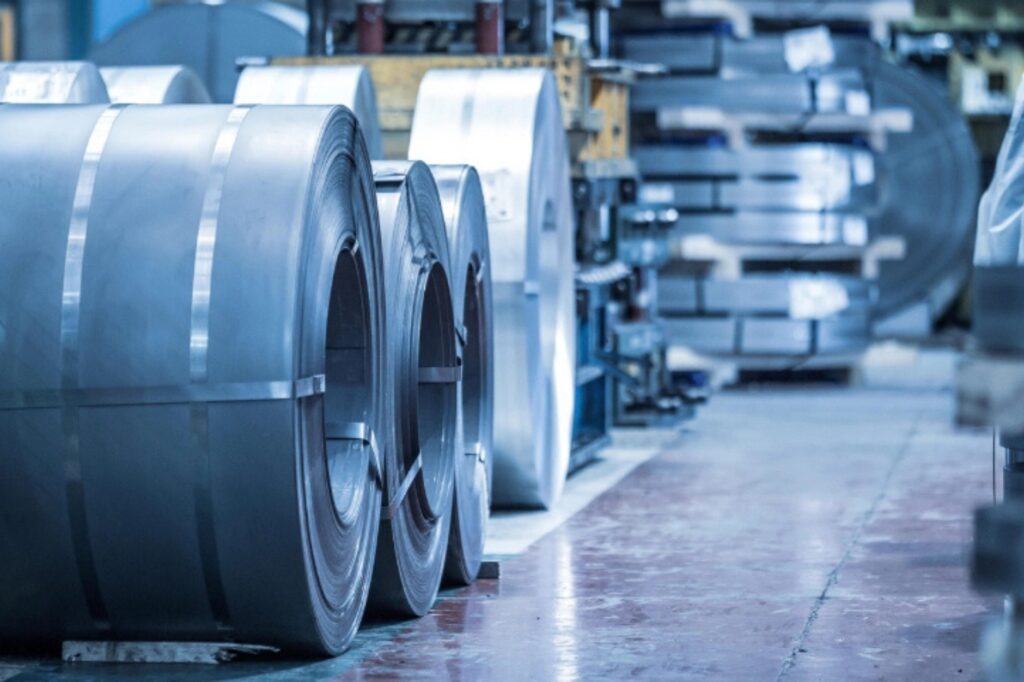
CRGO electrical steel is a critical component used in the manufacturing of power transformers, distribution transformers, and high-efficiency electric motors. Because of its specialized magnetic properties, it is essential for the efficiency of the national power grid.
Domestic manufacturers have long argued that an influx of cheap imports from these four nations has distorted the market. The industry claims that these imports are being sold at prices below their normal value, effectively undercutting the production costs of Indian steelmakers who are currently investing heavily in local capacity.
Detailed Scope of the Investigation
The DGTR investigation will focus on whether the dumped imports have caused material injury to the domestic industry. Investigators will examine the volume of imports, the price effects on domestic products, and the resulting impact on the profitability and employment levels of Indian manufacturers.
JSW JFE Electrical Steel, a joint venture between JSW Steel and Japan’s JFE Steel, has provided preliminary data suggesting that the surge in imports has forced domestic producers to operate at reduced capacity. The probe will cover a specific period of investigation to determine if the price margins justify the imposition of anti-dumping duties.
Expert Perspectives and Market Dynamics
Market analysts suggest that this investigation reflects a broader trend of protectionism in the global steel market. As nations grapple with surplus capacity, shielding domestic industries through trade remedies has become a standard policy tool.
Data from the Ministry of Steel indicates that demand for high-grade electrical steel is expected to grow as India accelerates its renewable energy transition and grid modernization programs. Industry experts point out that the reliance on imported steel for these strategic infrastructure projects poses a vulnerability to supply chain disruptions and price volatility.
Future Implications for the Energy Sector
For the Indian power sector, the potential imposition of anti-dumping duties could lead to a temporary increase in the cost of transformers and electrical equipment. Manufacturers may face higher input costs if the government decides to levy duties, which could ultimately be passed down to power distribution companies.
Conversely, proponents of the probe argue that long-term stability requires a robust domestic manufacturing base. By curbing unfair trade practices, the government aims to encourage local investment and reduce dependency on volatile international markets.
Stakeholders should closely monitor the DGTR’s preliminary findings, which are expected in the coming months. The outcome of this investigation will likely set a precedent for how India manages trade relations with its Asian and Eurasian counterparts regarding high-tech manufacturing materials in the near term.