









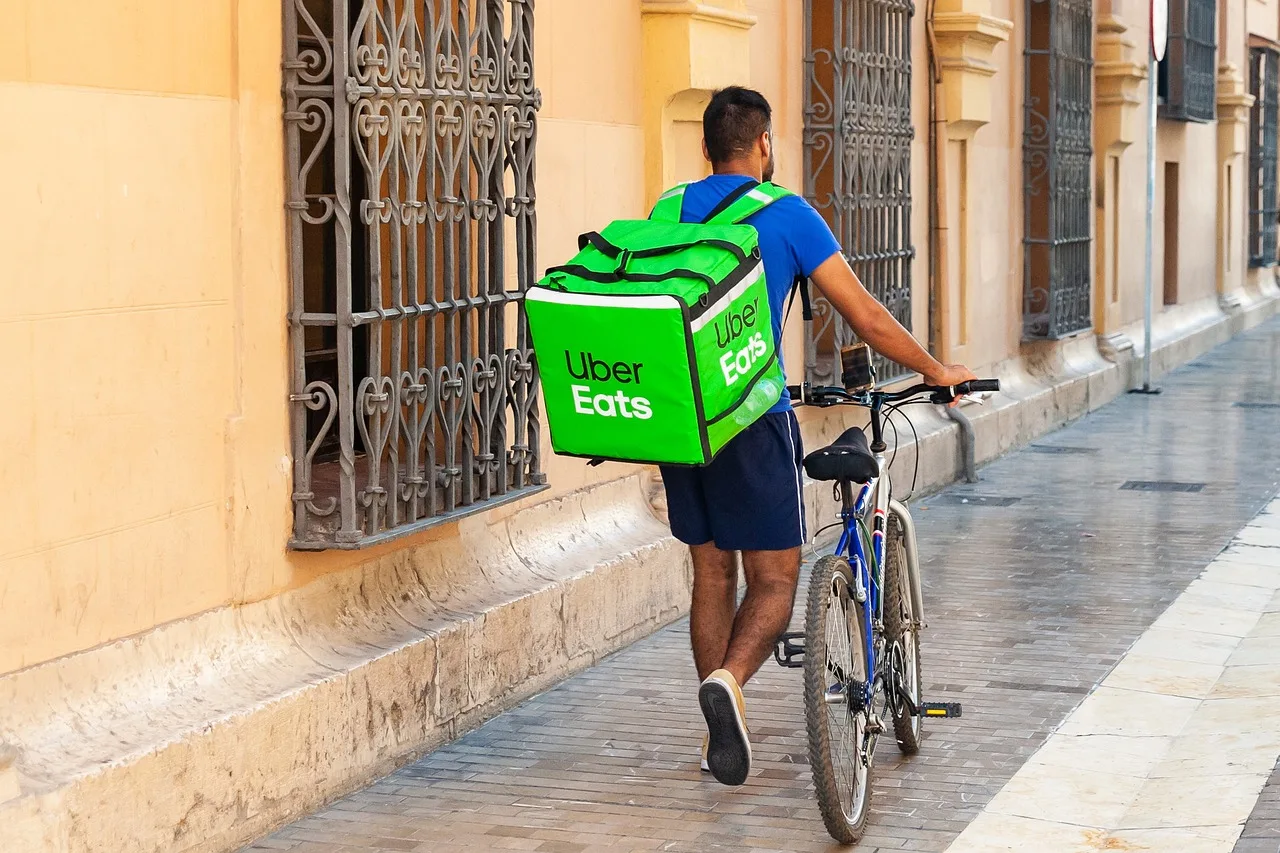
Indian quick-commerce giant Zepto has officially initiated the process for an initial public offering (IPO), filing preliminary papers that reveal a company aggressively prioritizing market share over immediate profitability. The filing, submitted this week, highlights the massive capital expenditure required to maintain the ultra-fast delivery model that has disrupted India’s retail landscape.
The Economics of Ultra-Fast Retail
Quick-commerce, defined by the promise of delivering groceries and household goods in under 20 minutes, relies on a dense network of micro-warehouses known as dark stores. Zepto’s financial disclosures underscore the heavy operational burden of sustaining this infrastructure.
The company is currently channeling significant funding into expanding its geographical footprint and increasing delivery density. While revenue growth has been substantial, the costs associated with logistics, rider incentives, and warehouse maintenance continue to weigh heavily on the bottom line.
Navigating a Competitive Landscape
Zepto is not operating in a vacuum, as it faces intense competition from established players like Blinkit, Swiggy Instamart, and Tata-owned BigBasket. This rivalry has forced companies to keep delivery fees low while offering aggressive discounts to retain a price-sensitive consumer base.
Industry data from Redseer Strategy Consultants suggests that while the quick-commerce market in India is expected to grow at a compound annual growth rate of over 50% through 2027, the path to profitability remains narrow. Companies are caught in a cycle of needing to scale rapidly to achieve unit-level economics, yet scaling itself requires sustained cash burn.
Expert Perspectives on Sustainable Scaling
Financial analysts note that Zepto’s strategy mirrors the early-stage playbook of global delivery giants, where the primary goal is capturing customer mindshare. However, investors are increasingly scrutinizing the long-term sustainability of the ‘burn-to-grow’ model.