








Economic Momentum and Consumer Spending
U.S. retail sales experienced their third consecutive month of growth in April, climbing 0.5 percent as reported by the Census Bureau on May 14. While the figures align with broader economist expectations, the growth follows a downwardly revised 1.6 percent spike in March, signaling a potential cooling in consumer appetite.
The Impact of Rising Energy Costs
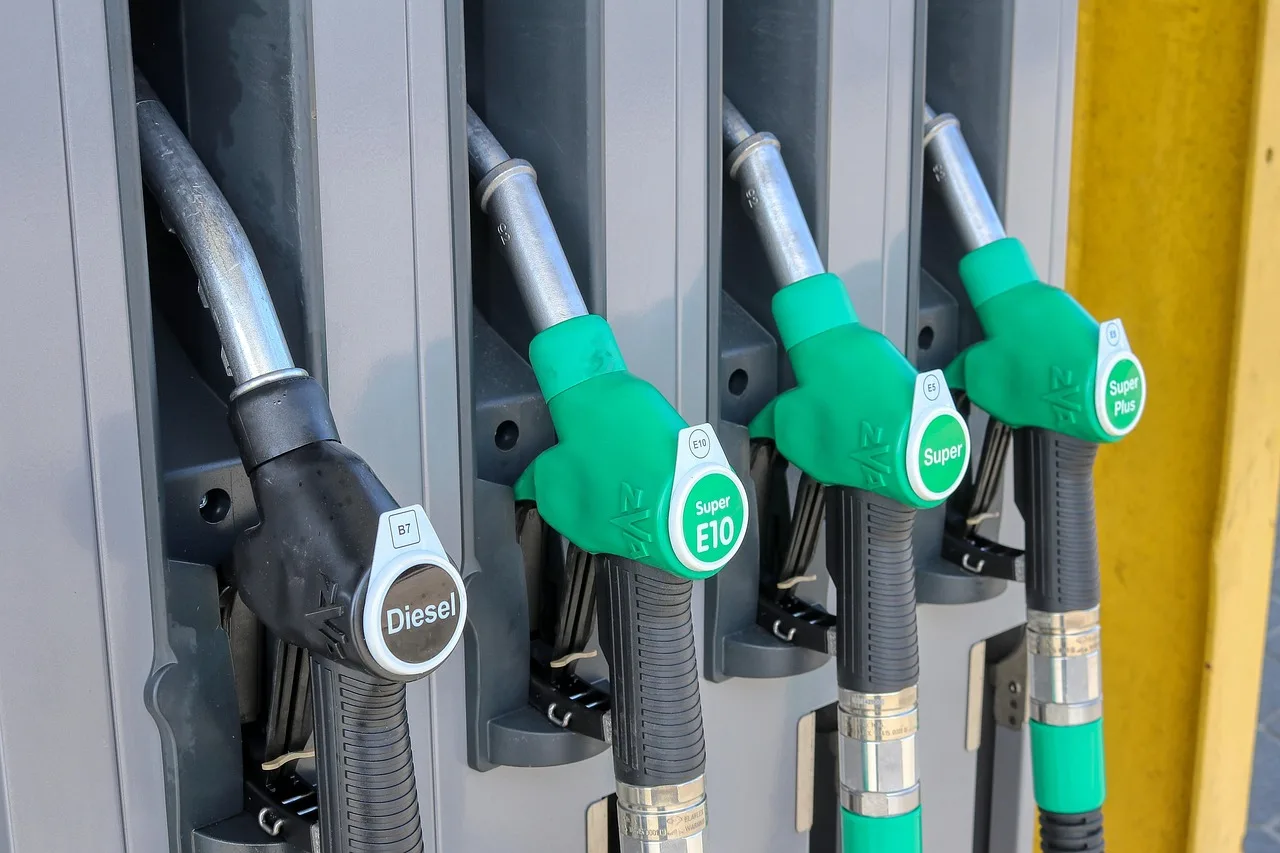
A significant driver of the latest retail data was the surge in gasoline prices. Transactions at service stations rose by 2.8 percent during the month, accounting for a substantial portion of the total retail increase. This uptick reflects the ongoing volatility in global energy markets, which has been exacerbated by the geopolitical instability surrounding the war in Iran, now entering its 12th week.
Analyzing the Consumer Landscape
The rise in retail spending does not necessarily indicate a surge in discretionary consumption. Instead, economists point out that the increase is largely nominal, driven by the higher cost of essential goods rather than an increase in the volume of items purchased. When energy and automotive sectors are stripped from the data, the underlying strength of the consumer sector appears more constrained.
Expert Perspectives on Inflation
Market analysts are closely monitoring these trends to determine if consumers are beginning to reach a breaking point. High inflation, particularly in fuel and food, is forcing households to reallocate their budgets. Data from the Bureau of Labor Statistics suggests that the persistent climb in crude oil prices is creating a direct ripple effect on consumer confidence, leading to more cautious spending habits in non-essential retail categories.
Implications for the Broader Economy
For the retail industry, these figures represent a complex environment where revenue growth is masked by inflationary pressure. Businesses are currently grappling with the challenge of maintaining profit margins while consumers face diminished purchasing power. As fuel costs remain elevated, retailers in the luxury and non-essential sectors may face increased pressure to provide discounts or promotions to sustain transaction volumes.
Looking Ahead
Market observers will be watching the next set of personal consumption expenditure reports to gauge whether the trend of rising gas prices leads to a contraction in broader retail activity. If energy prices remain high or escalate further, the focus will shift toward whether the Federal Reserve adjusts its monetary policy to address the cooling consumer sentiment. Investors should keep a close watch on upcoming quarterly earnings reports from major retailers, which will provide deeper insight into how shifting consumer priorities are impacting bottom-line performance.