








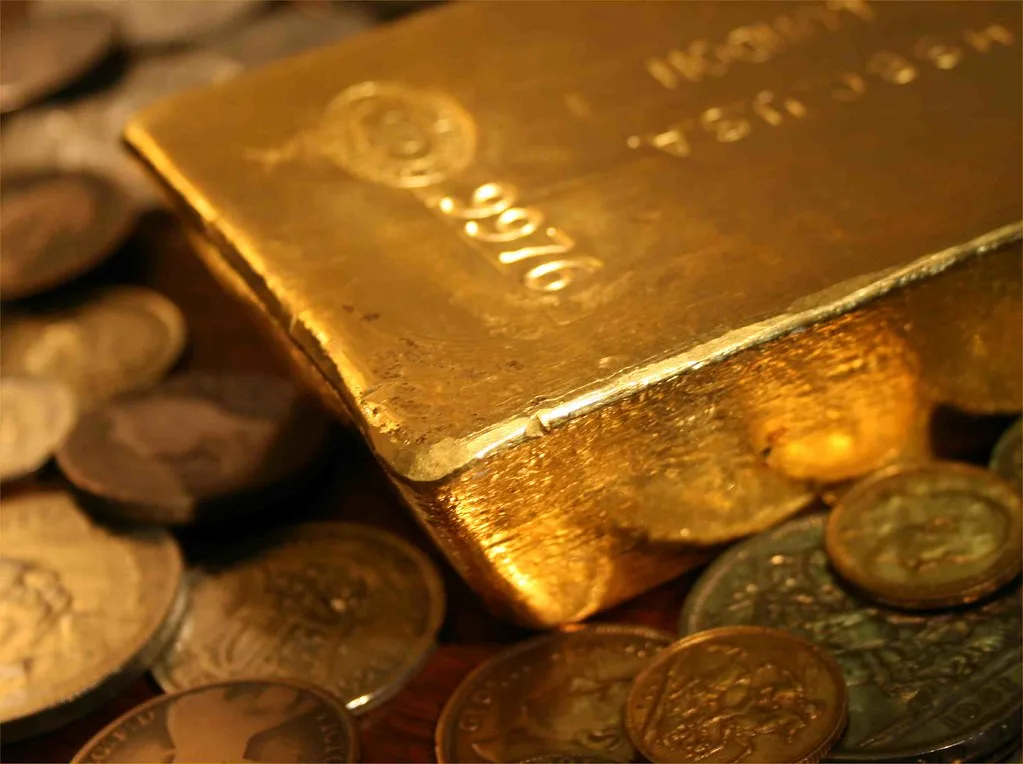
Gold prices experienced a historic surge followed by a sudden, sharp correction this week, as global investors scrambled to balance safe-haven demand against shifting macroeconomic indicators. After bullion hit unprecedented price levels driven by geopolitical instability and central bank buying, the market saw a rapid retreat that forced analysts to re-evaluate the sustainability of the precious metal’s recent rally.
The Context of the Bull Run
The recent ascent of gold was primarily fueled by persistent geopolitical tensions in the Middle East and Eastern Europe, which historically drive capital toward non-yielding assets. Furthermore, aggressive gold purchases by central banks, particularly in emerging markets, provided a structural floor for prices throughout the first half of the year.
As uncertainty regarding global inflation deepened, gold acted as a primary hedge for institutional portfolios. This momentum pushed the metal past the $2,400 per ounce threshold for the first time in history, setting a new benchmark for the sector.
Market Forces Behind the Correction
The subsequent correction was triggered by a combination of profit-taking and a strengthening U.S. dollar, which often shares an inverse relationship with gold. When the dollar gains value, gold becomes more expensive for holders of foreign currencies, dampening physical demand.
Technical analysts point to the ‘overbought’ status of the market as a primary driver for the pullback. Once the price hit record highs, algorithmic trading programs automatically triggered sell orders to lock in gains, accelerating the downward momentum.
Expert Perspectives
Financial analysts at major investment banks note that while the short-term trend shows volatility, the underlying demand remains robust. ‘We are seeing a classic market consolidation,’ noted one commodities strategist. ‘The fundamental reasons for holding gold—inflation hedging and geopolitical risk mitigation—have not disappeared, even if the price action is currently cooling.’
Data from the World Gold Council supports this view, indicating that central bank demand remains at historic levels. While retail investors may be reacting to price fluctuations, long-term institutional participants are largely maintaining their positions.
Implications for the Industry
For individual investors, the recent volatility serves as a reminder of gold’s sensitivity to interest rate expectations. As the Federal Reserve signals a ‘higher for longer’ approach to interest rates, the opportunity cost of holding gold increases, as the metal does not generate dividends or interest payments.
Retail buyers are now navigating a more cautious landscape, where entry points require greater precision. For jewelry manufacturers and industrial users, the price correction offers a temporary reprieve from the record-high input costs that dominated the previous quarter.
Looking Ahead
Market participants are now closely monitoring upcoming inflation data and central bank policy meetings to determine the next major move. If geopolitical risks escalate, gold may regain its safe-haven status quickly; however, if inflation continues to moderate, the metal may face a period of sideways trading while it finds a new, stable equilibrium.