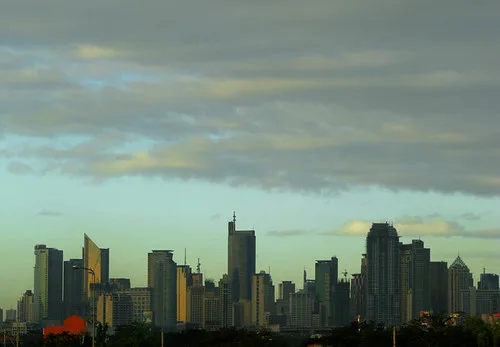








As SpaceX advances toward a potential initial public offering, residents in Brownsville, Texas, find themselves at the center of an economic and cultural transformation driven by the company’s Starbase headquarters. The aerospace giant’s rapid expansion in the Rio Grande Valley has sparked a deepening divide among locals, pitting the promise of regional economic revitalization against concerns regarding environmental displacement and the erosion of local identity.
The Economic Engine of Boca Chica
Since SpaceX selected the remote Boca Chica area for its Starship development program, the region has experienced a significant influx of capital and human resources. Local business owners report a surge in demand for services, hospitality, and residential real estate, driven by the arrival of thousands of engineers, contractors, and space enthusiasts.
Data from the Brownsville Chamber of Commerce indicates that the aerospace sector has become a primary driver of job creation in a region historically reliant on manufacturing and agriculture. For many, the company represents a long-awaited bridge to the high-tech economy, offering career pathways that previously did not exist in South Texas.
The Cost of Progress
However, the rapid industrialization of the coastline has drawn sharp criticism from environmental advocates and long-term residents. Critics argue that the frequent rocket testing and facility construction have disrupted local ecosystems, including protected wildlife refuges that serve as critical habitats for migratory birds.
Concerns also extend to the gentrification of Brownsville, where rising property values and increased costs of living have placed a strain on lower-income households. Community organizers note that while the company brings high-paying jobs, the local infrastructure is struggling to keep pace with the sudden demographic shifts and logistical demands imposed by the Starbase site.
Balancing Growth and Preservation
Industry analysts suggest that the impending IPO could further accelerate SpaceX’s operations, potentially leading to an even larger footprint in the region. According to recent market filings, the company’s valuation has reached unprecedented levels, fueling speculation that public ownership will demand more aggressive production schedules.
Economic experts emphasize that the situation in Brownsville serves as a microcosm of the tension between private aerospace ambition and public governance. The challenge for local officials remains in leveraging the company’s presence to improve public services without sacrificing the environmental and cultural integrity of the coast.
The Road Ahead
As the company moves toward public market entry, observers are closely monitoring how SpaceX addresses its regulatory and community relations challenges. Future developments to watch include the outcome of ongoing environmental impact assessments and potential city-led initiatives to manage the housing market pressures. The trajectory of this relationship will likely set a precedent for how other municipalities across the United States negotiate with burgeoning space-age industrial hubs.