





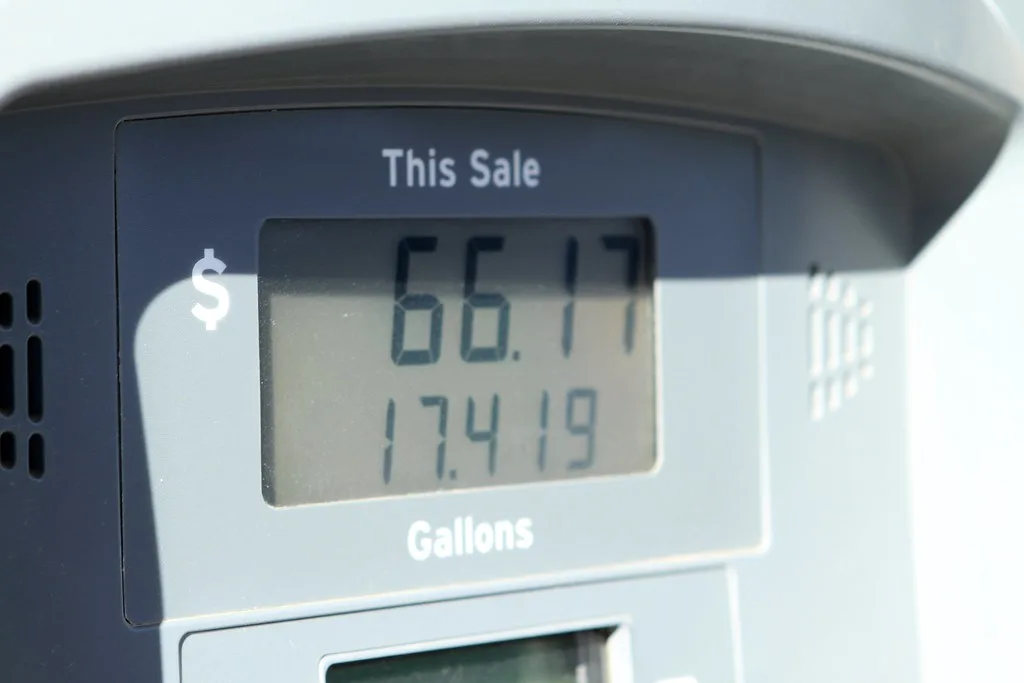
The national average price for regular gasoline in the United States fell to $4.24 per gallon this Thursday, marking a significant 18-cent decrease over the past week. This decline represents the second consecutive weekly drop, offering a brief respite for American motorists as the peak summer travel season begins.
Understanding the Recent Market Shift
The recent cooling of pump prices is directly linked to the stabilization of global crude oil costs, which have recently dipped below the $100 per barrel threshold. According to data provided by the American Automobile Association (AAA), this downward trend follows a period of intense volatility that pushed prices to record highs earlier in the year.
Despite this week’s relief, gasoline remains significantly more expensive than in previous years. While the current average of $4.24 is down from $4.42 last week, it highlights a persistent inflationary environment that continues to challenge household budgets across the country.
Regional Disparities in Fuel Costs
The impact of these price fluctuations is not felt equally across the United States. Six states—California, Washington, Hawaii, Alaska, Oregon, and Nevada—currently report average prices exceeding $5 per gallon.
California continues to lead the nation in fuel costs, with an average price of $5.97 per gallon. These regional variations are often attributed to state-specific fuel taxes, supply chain logistics, and localized environmental regulations that complicate the distribution of gasoline.
Global Uncertainties and Future Demand
Market analysts are closely monitoring the situation in the Strait of Hormuz, a critical maritime chokepoint for global oil shipments. The uncertainty regarding the full reopening and resumption of traffic through this region serves as a major factor preventing a more substantial drop in oil prices.
Furthermore, the summer season typically brings an uptick in gasoline demand as millions of Americans embark on road trips. This seasonal pressure often offsets the benefits of lower crude oil prices, keeping retail gas costs elevated despite the recent week-over-week declines.
Industry Implications and Outlook
For the transportation and logistics industries, the stabilization of fuel prices provides a necessary, albeit fragile, sense of predictability. Small businesses and families planning travel will likely remain cautious as the market balances seasonal demand against the backdrop of geopolitical instability.
Moving forward, observers should monitor crude oil production levels and any potential shifts in international trade policy regarding major energy corridors. Should the supply chain disruptions in the Strait of Hormuz persist, the current downward momentum in retail gas prices may face significant resistance throughout the remainder of the summer.