





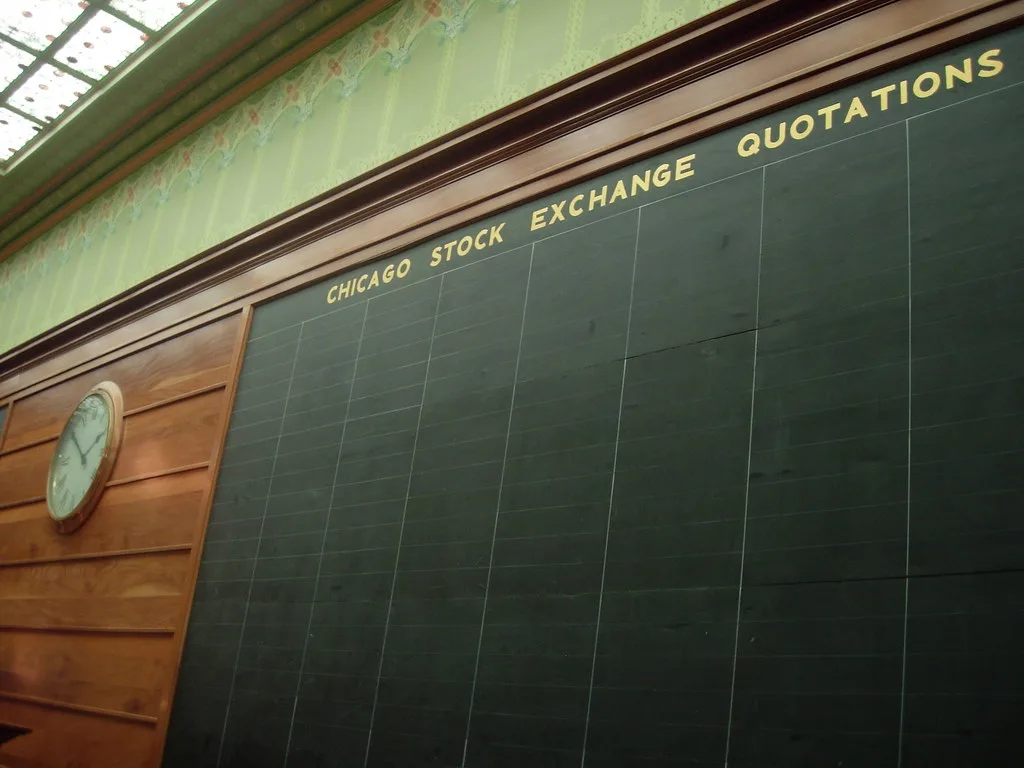
Market Turmoil Hits Wall Street
The Nasdaq Composite tumbled more than 3% on Friday, marking its sharpest single-day decline since October, as a robust May jobs report triggered a broad selloff across major U.S. stock indices. Investors abandoned risk-heavy assets in New York, pushing the S&P 500 lower as Treasury yields surged in response to data suggesting the Federal Reserve may delay interest rate cuts.
The Catalyst: A Resilient Labor Market
The sudden market shift followed the release of May’s non-farm payrolls report, which exceeded economist expectations by a significant margin. While a strong labor market typically signals economic health, it has created a dilemma for the Federal Reserve’s inflation-targeting strategy. Higher-than-anticipated hiring suggests continued economic heat, which historically keeps upward pressure on wages and consumer prices.
Semiconductor Stocks Lead the Retreat
Technology stocks, particularly within the semiconductor sector, bore the brunt of the selling pressure. Shares of major chip manufacturers, which have been the primary drivers of the 2024 market rally, saw significant profit-taking as investors rebalanced portfolios. Analysts noted that the sector’s high valuation made it vulnerable to even minor shifts in macroeconomic sentiment.
Yields and Alternative Assets
As expectations for near-term interest rate cuts faded, the yield on the 10-year U.S. Treasury note climbed, creating a less favorable environment for equities. The “higher-for-longer” interest rate narrative has also dampened enthusiasm for alternative assets. Bitcoin and precious metals, including gold and silver, experienced notable price corrections throughout the trading session as investors sought liquidity.
Industry Implications and Future Outlook
This volatility underscores the sensitivity of current market valuations to incoming economic data. Institutional investors are now recalibrating their expectations for the Federal Reserve’s September meeting, with many analysts suggesting that the window for a rate cut is narrowing. Market participants should monitor upcoming Consumer Price Index (CPI) reports closely, as these will provide the next major indicator of whether the Fed can maintain its current monetary policy or if further tightening remains on the table.