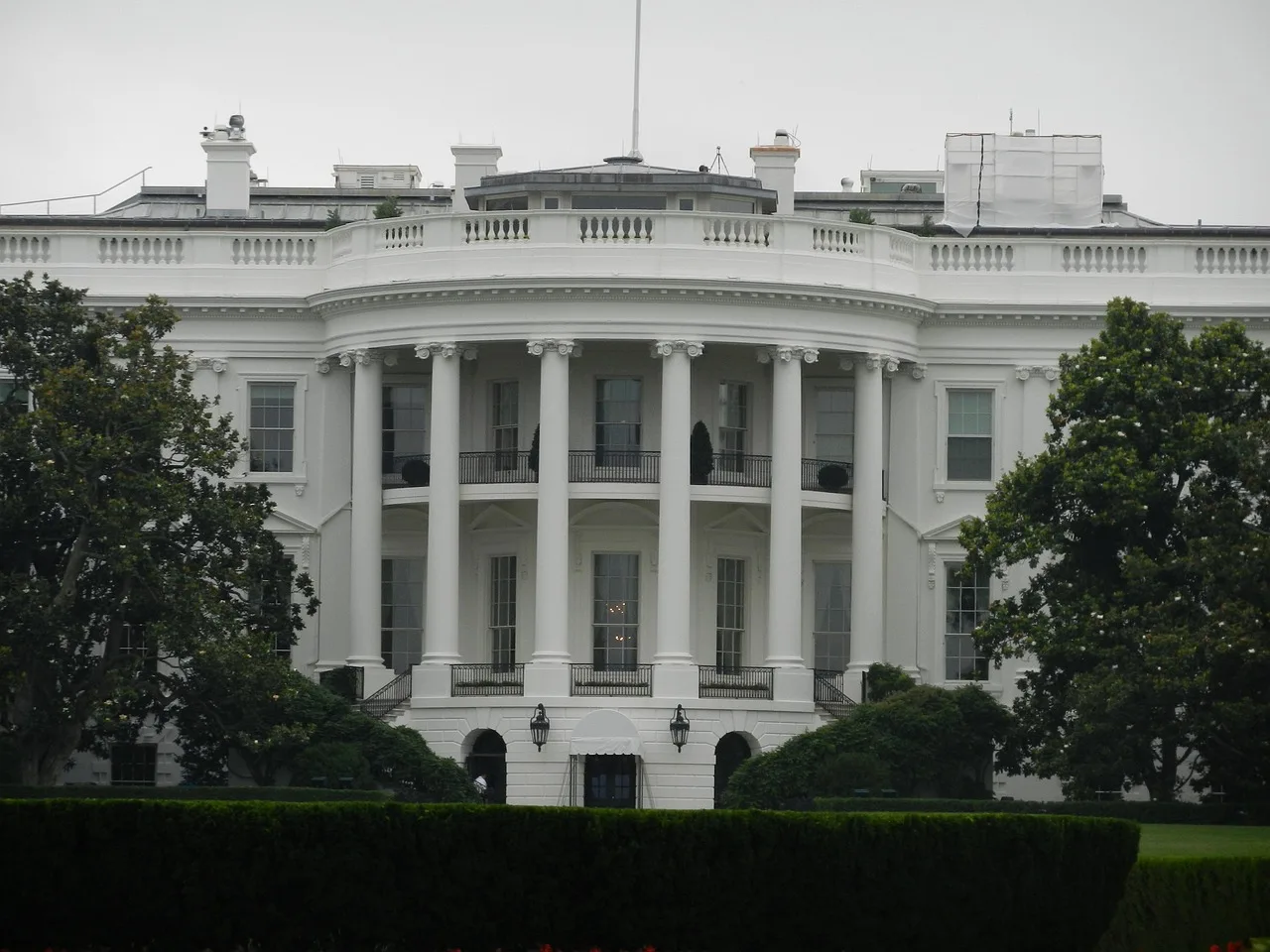





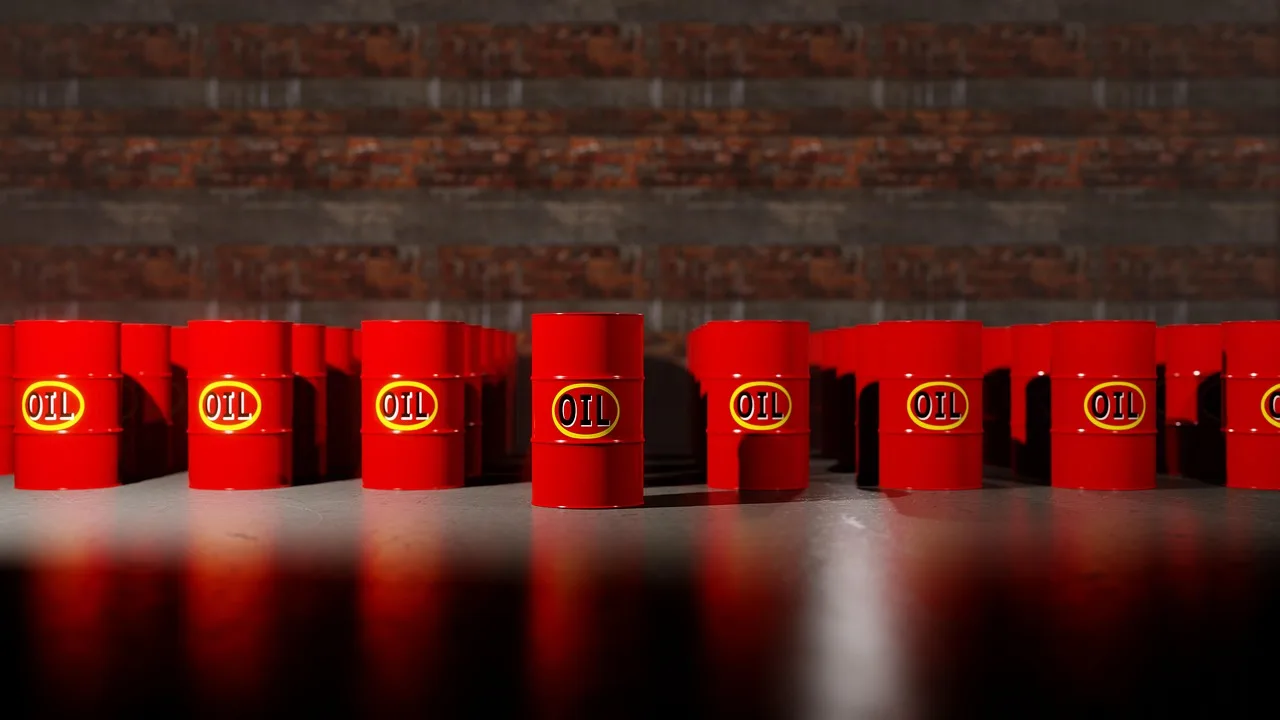
Global crude oil markets experienced heightened volatility this week as traders abandoned the narrative of imminent de-escalation in Middle Eastern tensions, leading to a sharp reversal in price trends across major exchanges. After brief periods of optimism fueled by reports of potential peace negotiations between the United States and Iran, market participants have pivoted back to a posture of caution, citing a lack of tangible diplomatic progress and persistent geopolitical instability.
The Context of Market Volatility
Oil prices have remained hypersensitive to headlines surrounding the U.S.-Iran conflict throughout the current quarter. Historically, the prospect of a diplomatic breakthrough often acts as a bearish catalyst, prompting traders to sell off assets as the risk of supply chain disruptions diminishes.
However, the recent cycle of price swings suggests that the market is becoming increasingly skeptical of informal peace narratives. Investors are moving away from speculative reactions to political rhetoric, opting instead to wait for concrete policy shifts or verified de-escalatory actions.
The Shift in Trader Sentiment
The initial dip in oil futures earlier this week was largely driven by speculative trading based on rumors of a thawing relationship between Washington and Tehran. As these reports failed to materialize into substantive agreements, the market corrected itself, causing prices to stabilize or rebound in subsequent sessions.
Market analysts point to the disconnect between political messaging and physical market realities as the primary driver of this uncertainty. While headlines suggest potential relief, the underlying risk premium associated with the Strait of Hormuz and regional production facilities remains elevated.
Expert Perspectives and Market Data
Financial analysts at major firms, including Bloomberg and various global energy desks, have noted that the current environment is defined by a ‘wait-and-see’ approach. Data indicates that while futures markets reacted sharply to news of potential peace talks, the spot market has shown significantly more resilience.
According to recent reports from The Hindu and ET Auto, the global market is currently navigating a complex web of weak global cues alongside the geopolitical narrative. The combination of slowing industrial output in key markets and the persistent threat of supply shocks creates a tug-of-war effect that limits sustained directional movement in either direction.
Implications for the Industry
For energy consumers and industry stakeholders, this volatility underscores the difficulty of forecasting energy costs in a period of geopolitical flux. Businesses reliant on transportation and energy-intensive manufacturing are finding it increasingly difficult to hedge against price swings when the primary drivers are rooted in unpredictable diplomatic cycles.
Looking ahead, market observers are focusing on two primary indicators: the actual volume of oil exports passing through critical chokepoints and any official statements from the International Atomic Energy Agency (IAEA) regarding regional nuclear developments. Should diplomatic silence continue, the market is expected to bake in a higher, more permanent risk premium, potentially keeping prices elevated despite weak demand signals from the broader global economy.