





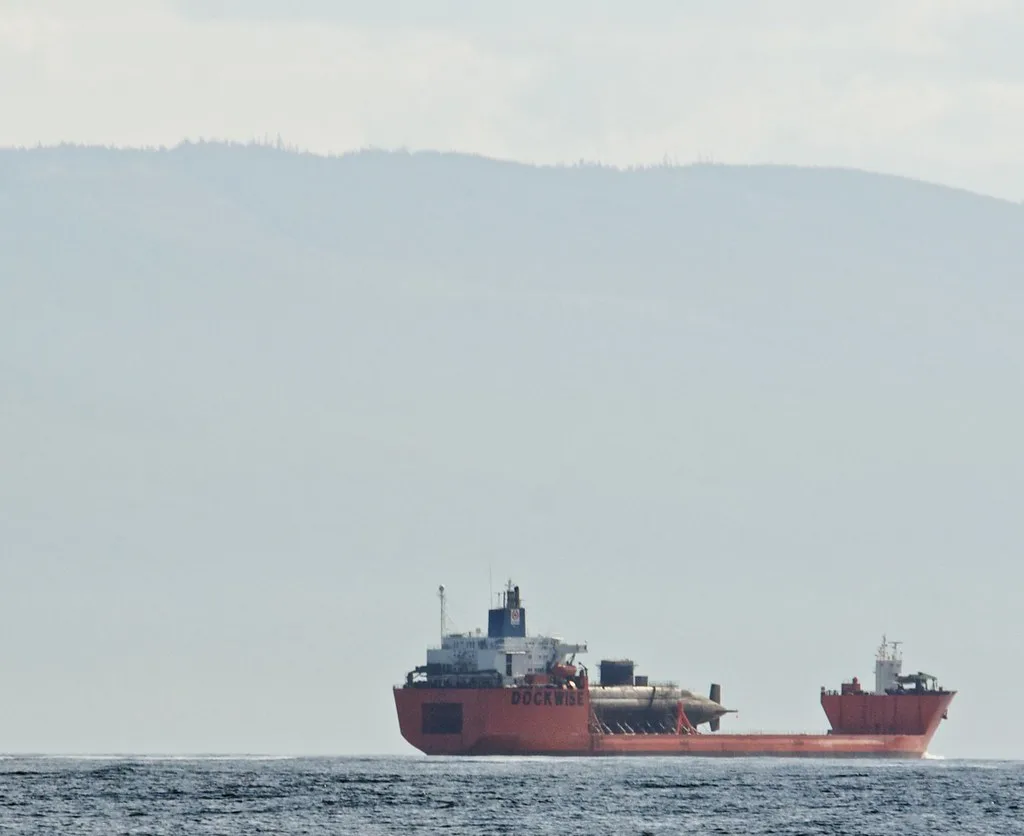
Global oil markets have maintained surprising stability despite significant geopolitical tensions and the looming threat of supply disruptions in the Strait of Hormuz, a critical maritime chokepoint that facilitates the transit of roughly one-fifth of the world’s oil consumption. While analysts have long warned that a closure or major conflict in this region would trigger catastrophic price spikes, recent data suggests that global energy infrastructure has become remarkably resilient to localized volatility. This shift in market dynamics reflects a fundamental transformation in how supply chains operate in a post-pandemic, multi-polar global economy.
The Evolution of Energy Security
For decades, the Strait of Hormuz remained the singular focus of oil market anxiety. Historical precedents, such as the 1973 Arab oil embargo, demonstrated how quickly supply constraints could cripple Western economies. However, the energy landscape has undergone a profound diversification process over the last twenty years.
The rapid expansion of U.S. shale production has fundamentally altered the global supply-demand balance. By becoming a net exporter, the United States has reduced its direct dependency on Middle Eastern crude, effectively creating a buffer that did not exist during previous geopolitical crises. This domestic production surge provides a reliable floor for global supply even when traditional transit routes face threats.
The Role of Strategic Reserves and Diversification
Market experts point to the sophisticated management of Strategic Petroleum Reserves (SPR) as a primary factor in preventing price hyper-inflation. Major economies now utilize these reserves as tactical tools to smooth out volatility during acute supply shocks, rather than relying solely on market forces to rebalance.
Furthermore, the growth of alternative pipeline infrastructure has provided producers with options to bypass vulnerable maritime chokepoints. Countries like Saudi Arabia and the United Arab Emirates have invested heavily in cross-peninsula pipelines that allow crude to reach the Red Sea, directly circumventing the Strait of Hormuz. These structural improvements mean that a single point of failure no longer poses the existential threat it once did.
Shifting Demand and Market Efficiency
Beyond supply-side logistics, the global energy mix is undergoing a slow but steady transition. Increased energy efficiency in the industrial sector and the gradual integration of renewable energy sources have dampened the absolute growth rate of oil demand. This structural shift provides traders with more flexibility to manage inventories without immediate panic.
Data from recent trading cycles indicates that market participants are increasingly looking toward forward-looking futures contracts rather than reacting to spot-market anxiety. This shift in sentiment reflects a broader maturity in the oil market, where institutional investors now view geopolitical events through the lens of long-term supply sustainability rather than short-term disruption.
Looking Toward the Future
Industry observers are now focusing on the intersection of cybersecurity and physical infrastructure as the next frontier of risk. While the physical flow of oil has proven resilient, the digital systems managing global tankers and pipeline grids remain a potential vulnerability.
The market will likely prioritize investments in technological resilience to combat potential cyber-interference. As long as global production capacity remains diversified and strategic reserves are adequately maintained, the era of fearing a singular supply shock as a catalyst for $200 oil appears to be fading into history. Investors and policymakers should watch for shifts in spare capacity levels among OPEC+ nations, as this remains the most potent tool for stabilizing prices in an unpredictable world.