









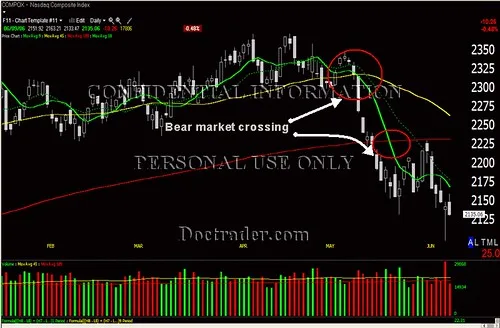
Global financial markets are currently experiencing a sharp period of volatility as persistent inflation data forces investors to flee high-growth technology stocks in favor of defensive assets. Throughout the current fiscal quarter, major indices have faced downward pressure as central bank signals suggest that interest rates will remain elevated for longer than previously anticipated, directly impacting the valuation models of the tech sector.
The Inflationary Landscape
The primary driver of this market shift is the stubbornly high Consumer Price Index (CPI), which has consistently outpaced analyst expectations. Elevated costs for energy, labor, and raw materials have eroded corporate profit margins, forcing investors to reassess the risk-reward profiles of equities that rely heavily on future earnings growth.
Historically, tech stocks are highly sensitive to interest rate hikes because their valuations are based on projected cash flows, which are discounted more heavily when rates rise. As the cost of borrowing increases, the premium investors are willing to pay for future growth diminishes, leading to the current widespread sell-off.
The Tech Sector Exodus
Institutional investors have begun reallocating capital away from speculative software and hardware firms toward more stable sectors like consumer staples, utilities, and healthcare. This rotation marks a significant departure from the post-pandemic bull run, where technology companies dominated market gains.
Data from recent exchange-traded fund (ETF) flows shows a net outflow of billions from tech-heavy indexes over the past month. Fund managers indicate that the shift is a protective measure against the likelihood of a cooling economy, as high inflation threatens to dampen consumer discretionary spending.
Expert Perspectives
Financial analysts note that the current environment represents a fundamental recalibration of market expectations. According to a recent report from leading investment banks, the ‘easy money’ era fueled by low interest rates has effectively ended, requiring a more discerning approach to equity selection.
Economists emphasize that the divergence between core inflation and wage growth remains a critical indicator to watch. If inflation fails to retreat toward the target mandate, the pressure on equity valuations will likely intensify, potentially leading to further consolidation across the Nasdaq and other tech-focused exchanges.
Industry Implications
For the average investor, this trend underscores the importance of portfolio diversification and the danger of over-concentration in singular sectors. Financial advisors are increasingly recommending a ‘barbell strategy,’ balancing high-growth potential with value-oriented stocks that offer consistent dividend yields and pricing power.
Looking ahead, market participants should closely monitor upcoming Federal Reserve policy announcements and quarterly earnings guidance from major cloud computing and semiconductor firms. These reports will serve as a bellwether for whether the tech sector can maintain its resilience or if the current exodus will accelerate into a broader market correction. The trajectory of long-term bond yields will remain the primary variable determining if tech valuations can stabilize in the coming months.