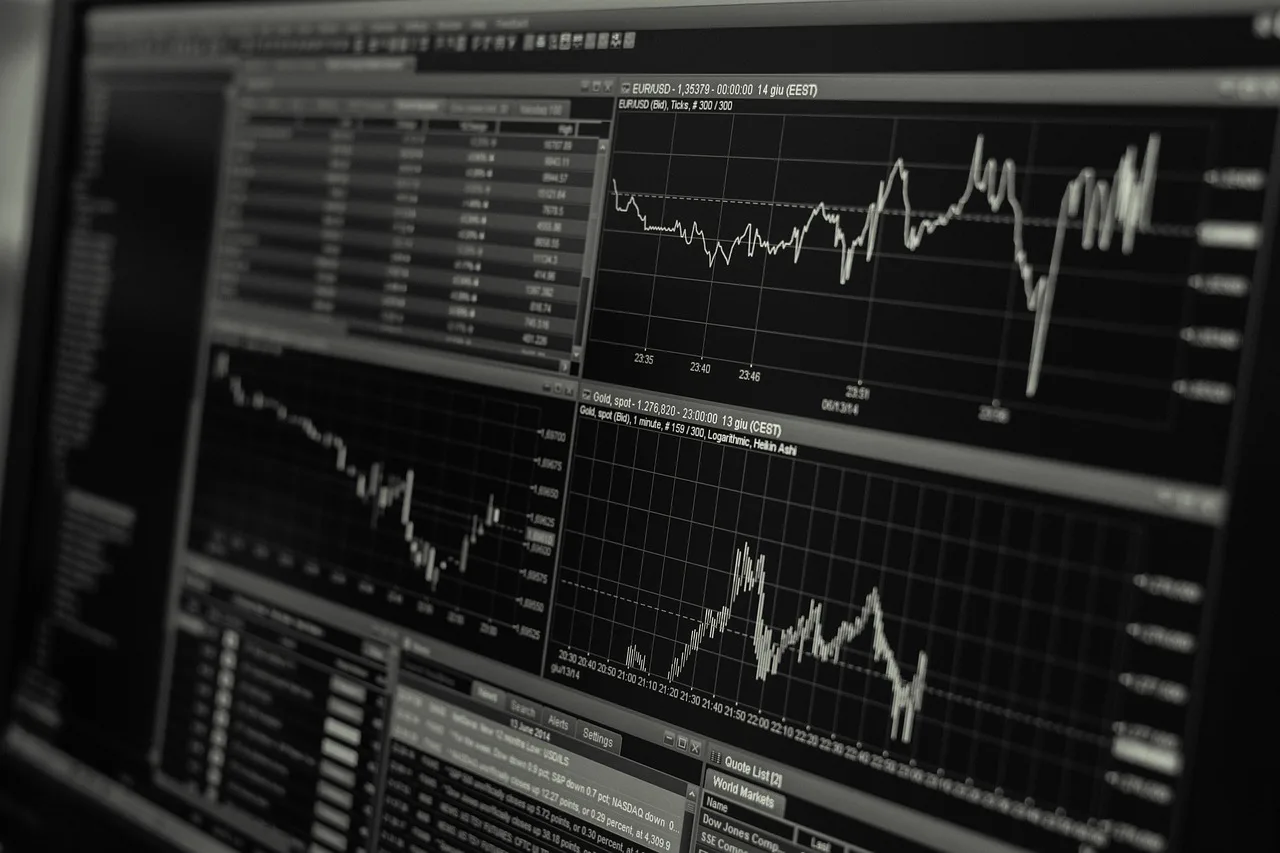






Indian equity markets, represented by the Sensex and Nifty indices, are bracing for a period of heightened volatility this week as investors process the convergence of domestic election outcomes, fluctuating global crude oil prices, and escalating geopolitical tensions in West Asia. Market analysts expect trading sessions to remain choppy as participants recalibrate portfolios against a backdrop of macroeconomic data releases and shifting foreign institutional investor (FII) sentiment.
The Context of Market Instability
The current market environment is shaped by a complex interplay of internal and external factors. Domestically, the anticipation surrounding election results remains the primary catalyst for short-term price discovery, as investors seek clarity on future policy directions.
Simultaneously, global headwinds have intensified. Crude oil prices, which directly impact India’s import bill and inflation trajectory, have shown erratic swings due to ongoing instability in West Asia. These developments have forced institutional investors to adopt a more cautious, risk-averse stance heading into the new trading week.
Multiple Drivers of Market Sentiment
Corporate earnings remain a critical focus, with companies reporting performance metrics that either validate or challenge current valuations. Market participants are closely scrutinizing these results to gauge the resilience of domestic consumption and manufacturing output.
The role of Foreign Institutional Investors (FIIs) cannot be overstated. Recent data indicates that FII flows have been inconsistent, reacting sharply to both the strengthening of the U.S. dollar and domestic political developments. When liquidity retreats, the impact on large-cap stocks often triggers a ripple effect across the broader indices.
Expert Perspectives and Data
Financial analysts note that the VIX (Volatility Index) is likely to see an uptick as the market approaches critical event dates. According to recent market reports, the uncertainty surrounding the election outcome is already priced into the options market, leading to higher premiums for traders.
“Macroeconomic stability remains a cornerstone for market support, but the psychological impact of geopolitical headlines often overrides fundamental data in the short term,” says a lead equity strategist. Data from the last quarter suggests that sectors sensitive to energy costs, such as aviation and logistics, are particularly vulnerable to the current crude oil price volatility.
Implications for Investors
For the average investor, this period of volatility underscores the importance of a defensive asset allocation strategy. Financial planners advise against panic selling, suggesting instead that investors focus on long-term fundamentals rather than reacting to daily news cycles.
Industries tied to domestic infrastructure and government spending are expected to remain in the spotlight as election results unfold. Conversely, export-oriented sectors may experience fluctuations based on the global growth outlook and currency movements.
Looking ahead, market participants should monitor the Reserve Bank of India’s commentary on interest rates, as any hawkish shifts could further dampen market sentiment. The focus will remain on whether the post-election period brings a swift resolution to policy uncertainty, potentially setting the stage for a period of sustained consolidation or renewed growth.