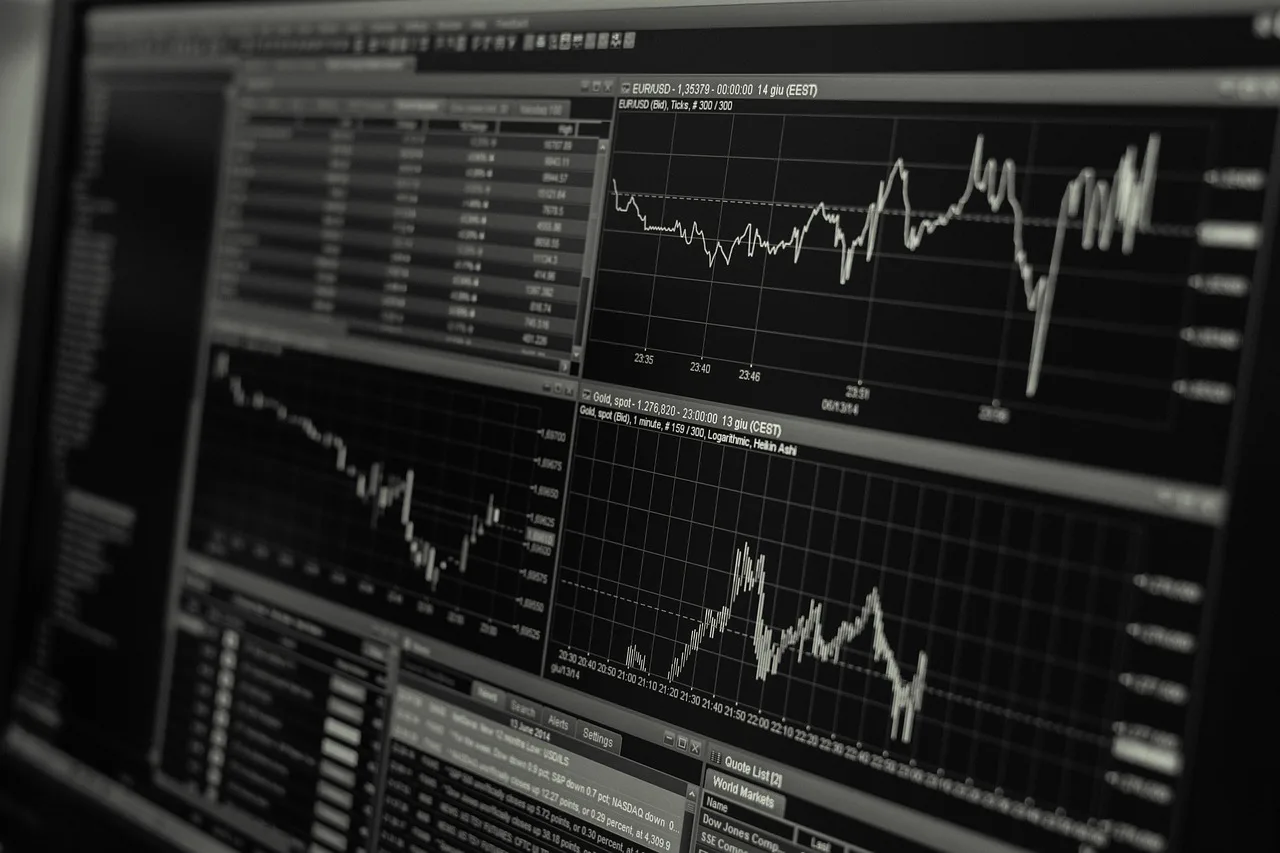



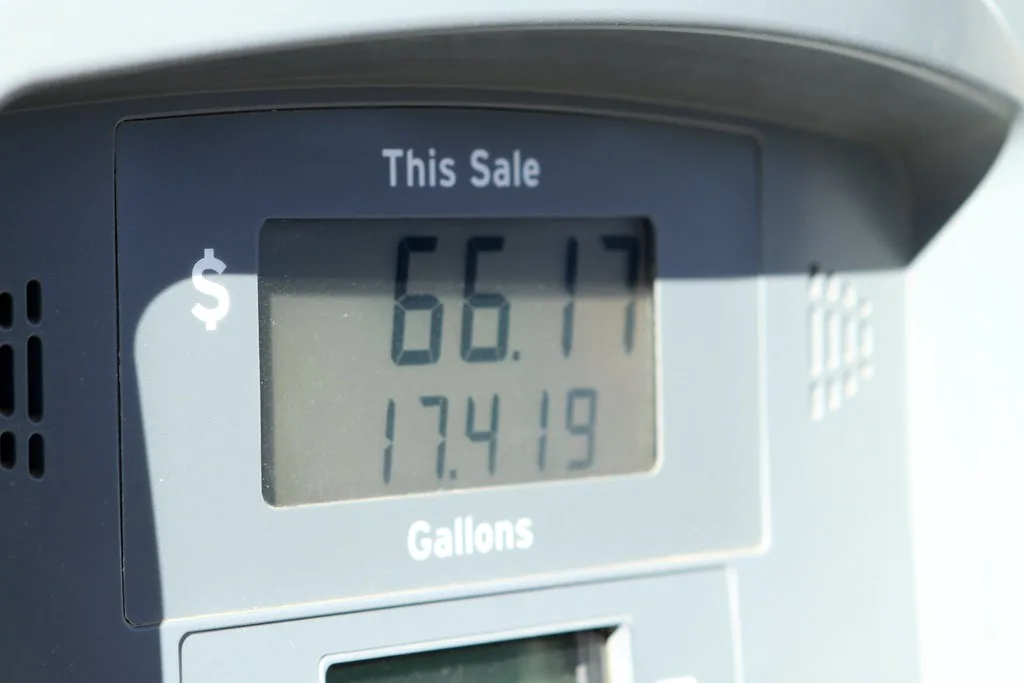
Consumers worldwide face the prospect of rising petrol and diesel costs as global crude oil prices continue a sharp upward trajectory throughout the current month. Market data indicates that crude oil, which averaged approximately $70 per barrel last year, has surged to an average of over $114 per barrel in recent weeks, placing immense pressure on retail fuel pricing structures.
The Context of Global Energy Volatility
The current volatility in the energy sector is driven by a complex intersection of supply chain constraints, geopolitical tensions, and shifting global demand patterns. Energy markets have struggled to normalize following the post-pandemic economic recovery, which saw demand for transportation fuels outpace the available supply of refined products.
Historically, oil prices remain highly sensitive to production output decisions by major exporting nations. When supply fails to meet the global baseline, the resulting scarcity drives up the cost per barrel, which is eventually passed down to the consumer at the pump.
Factors Fueling the Price Surge
The primary driver behind the current price escalation is the significant gap between current production levels and global consumption requirements. As economies have reopened and travel has resumed, the demand for refined petroleum products has climbed steadily.
Geopolitical instability in key oil-producing regions has further exacerbated the situation by creating uncertainty regarding long-term supply security. Analysts note that when markets perceive a risk to physical supply chains, futures contracts often see immediate price premiums, which influence real-time market pricing.
Expert Perspectives on Market Trends
Energy economists warn that the transition from $70 to $114 per barrel represents a structural shift rather than a temporary anomaly. Industry data from major financial institutions corroborates this, highlighting that refining margins have also widened, adding additional costs to the processing of crude into usable gasoline and diesel.