





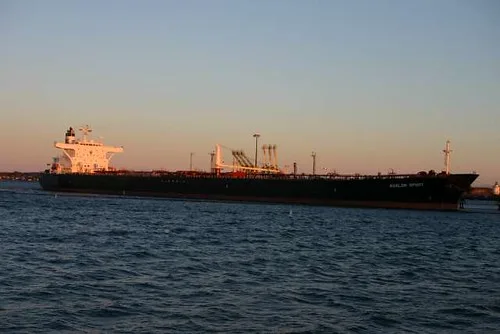
The global crude oil market is currently grappling with a substantial supply deficit of 4.8 million barrels per day (mbpd), triggered by escalating geopolitical instability across West Asia. This supply shock, which intensified throughout the current quarter, has forced energy analysts to recalibrate their forecasts as production and logistics networks face unprecedented disruption in one of the world’s most critical petroleum-exporting regions.
Contextualizing the Supply Crisis
West Asia remains the heartbeat of global energy production, accounting for a significant portion of daily seaborne oil shipments. Recent conflicts in the region have paralyzed key transit chokepoints and forced producers to divert tankers, significantly extending voyage times and inflating operational costs.
Historically, the market has relied on spare capacity from major producers to buffer against sudden outages. However, current data suggests that the combination of voluntary production cuts and localized infrastructure damage has pushed the global buffer to its thinnest margin in over a decade.
Market Dynamics and Mitigation Efforts
To mitigate the immediate impact of the 4.8 mbpd shortfall, several nations have tapped into their strategic petroleum reserves (SPR). These government-controlled stockpiles act as a vital safety net, providing a temporary cushion to stabilize domestic prices and ensure industrial continuity.
Logistics firms have also pivoted to alternative shipping routes, though these adjustments come at a premium. The increased reliance on longer maritime paths has effectively reduced the number of available tankers, creating a secondary bottleneck that further exacerbates the supply-demand imbalance.
Expert Projections and Economic Impacts
Energy analysts indicate that the current deficit is reaching a critical threshold that market mechanisms alone cannot resolve. According to data from international energy monitoring agencies, the sustained high price environment is beginning to trigger demand destruction, particularly in emerging economies where fuel affordability is directly linked to industrial output.